


In the vibrant tapestry of Vietnamese cuisine, few elements bring as much brightness to the table as the humble pickled daikon and carrot. Known locally as “đồ chua,” this crisp and tangy condiment is more than just an accompaniment-it’s an art form, a harmonious blend of texture and flavor that elevates every dish it graces. From bustling street food stalls to home kitchens passed down through generations, the delicate balance of sweet, sour, and refreshingly crunchy in pickled daikon-carrot awakens the senses and tells a story of tradition, culture, and culinary finesse. join us as we dive into the craft behind this iconic Vietnamese pickle, exploring its origins, techniques, and the magic that turns simple roots into a celebrated culinary staple.
Crisp & Tangy Vietnamese pickled daikon-carrot is a culinary marvel that elegantly balances sweet, sour, and salty notes with refreshing crunch.This iconic condiment, often found nestled alongside bánh mì sandwiches or as a vibrant salad accompaniment, holds a cherished place in Vietnamese kitchens. Its luminous colors and lively textures tell a story of tradition,simple ingredients transformed through careful technique.Growing up, I remember my grandmother’s jar of perfectly pickled daikon and carrot sitting proudly on the countertop-always ready to add that unmistakable brightness to any meal.Understanding the flavor harmony behind this classic pickle elevates the experience from mere side dish to an artful contrast that enlivens the palate.
Selecting the Perfect Vegetables for Optimal Crunch and Color
The essence of this pickle’s appeal lies in the vegetables chosen.Fresh daikon radish and vibrant carrots are your canvas. Opt for daikon that feels heavy and firm,with smooth skin and little to no blemishes. Its mild peppery flavor and succulence provide that satisfying crunch, a hallmark of the dish. Carrots should be bright orange and crisp-avoid any that seem wilted or soft, as their texture will diminish after pickling.
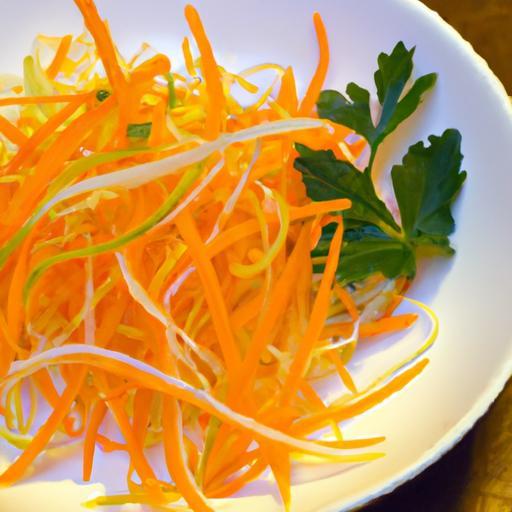
For an especially visually striking jar, cut your vegetables into uniform julienne strips about 2 to 3 inches long and ⅛ inch thick. This dimension maximizes surface area so the brine penetrates evenly while ensuring a perfect bite every time. Mixing in a few thinly sliced white radishes or daikon shreds is optional but can add subtle variations in texture and a delicate peppery undertone.
Mastering the Brine Balance for That Signature Crisp Tang
A precise balance of vinegar,sugar,water,and salt is essential to achieving that signature crisp tang reminiscent of authentic vietnamese pickle. The brine must not overpower the natural sweetness of the vegetables – instead, it should amplify it with a clean, bright acidity. Typically, a ratio of 1 part sugar, 1 part water, and 1 part vinegar works well.
Using distilled white vinegar keeps the color vibrant and the flavor pure.However, feel free to experiment with rice vinegar for a softer, more nuanced acidity. Dissolve sugar and salt thoroughly in warm water before adding the vinegar to ensure consistency. Avoid over-salting, as it can create an unpleasant bitterness and diminish your cucumber-like crunch.
Tips and Tricks to Achieve Long-lasting Freshness and Flavor
After immersing your vegetables in the brine, refrigeration is key to sustaining freshness and flavor. Place a tight-fitting lid on your jar to prevent oxidation and contamination. The pickles develop full character after resting at least 24 hours but improve even more after 3 days in the fridge.
For longevity, always use clean utensils when retrieving pickles from the jar and keep the vegetables fully submerged in the brine to avoid mold or spoilage. If you desire ultra-crisp results, soak the cut veggies briefly in ice water before brining to strengthen their integrity. This traditional step ensures your pickle maintains its coveted crunch longer.
Prep and Cook Time
- Planning: 15 minutes
- Pickling time: Minimum 24 hours (preferably 3 days)
- Active Cook Time: 5 minutes (to prepare brine)
Yield
Approximately 2 cups of pickled daikon and carrot
Difficulty Level
Easy – Perfect for beginners and seasoned cooks alike
Ingredients
- 1 medium daikon radish (about 8 ounces),peeled and julienned
- 2 medium carrots,peeled and julienned
- 1 cup distilled white vinegar
- 1 cup warm water
- 1 cup granulated sugar
- 1 tablespoon kosher salt
Instructions
- In a large bowl,combine the julienned daikon and carrots. Rinse under cold water and drain thoroughly to remove excess starch.
- Optional: Submerge the vegetables in ice water for 15 minutes to enhance crunch; drain well.
- In a saucepan, gently warm the water over medium heat. Add sugar and salt,stirring until completely dissolved. Remove from heat and stir in the vinegar.Allow the brine to cool to room temperature.
- Transfer vegetables to a clean glass jar or airtight container. Pour the cooled brine mixture over the vegetables, ensuring they are fully submerged.
- Seal the jar and refrigerate for at least 24 hours before serving. For best flavor, wait 2-3 days.
- Always use a clean fork or chopsticks to remove pickled vegetables to maintain freshness.
Chef’s Notes
- Adjust the sugar and vinegar ratio to suit your palate; for a sweeter pickle, increase sugar slightly.
- Incorporate a few thin slices of fresh ginger or a crushed garlic clove for added aroma and depth.
- For a faster pickle, use hot brine and soak for 2 hours at room temperature-though the flavor will deepen over time.
- The pickle can last up to 3 weeks refrigerated if properly sealed and submerged.
Serving Suggestions
This crisp & tangy delight complements sandwiches like bánh mì perfectly, but also pairs amazingly well with grilled meats, fried spring rolls, and vermicelli bowls. Garnish with fresh cilantro leaves or a sprinkle of toasted sesame seeds for extra visual appeal. Serve chilled for a refreshing contrast to warm dishes and witness how it brightens every bite.

| Nutrient | Per 2 tbsp Serving |
|---|---|
| Calories | 35 kcal |
| Protein | 0.3 g |
| carbohydrates | 9 g |
| Fat | 0 g |
For more Vietnamese flavor explorations, check out our banh Mi Sandwich Recipe to complete your homemade feast. To deepen your understanding of fermentation and preservation,visit Serious Eats – Pickling Guide.
Q&A
Q&A: Crisp & Tangy – the Art of Vietnamese Pickled Daikon-Carrot
Q1: What exactly is Vietnamese pickled daikon-carrot, and why is it so beloved in Vietnamese cuisine?
A1: Vietnamese pickled daikon-carrot, or đồ chua, is a vibrant medley of julienned daikon radish and carrot immersed in a sweet, tangy, and slightly salty pickling brine. This condiment offers a refreshing crunch and bright acidity that perfectly balances rich and savory dishes. It’s beloved for its ability to elevate banh mi sandwiches, spring rolls, and noodle bowls, adding a burst of freshness and a subtle zing that awakens the palate.
Q2: What makes the texture of these pickles so delightfully crisp?
A2: The secret lies in both the choice of vegetables and the pickling process. Daikon and carrot are naturally crunchy, but soaking them in a brine made from vinegar, sugar, and salt helps to preserve that snap while infusing layers of flavor. The right balance of acidity “locks in” the crunch without making the veggies soggy, while a short pickling time ensures they stay bright and lively.
Q3: How does the pickling liquid contribute to the signature tang of đồ chua?
A3: The tanginess comes primarily from rice vinegar or white vinegar, which provides a clean, crisp acidity. Sugar balances this sharpness with a gentle sweetness, while salt enhances overall flavor and aids in preservation. together, they create a harmonious dance on the tongue-sharp, sweet, and savory-that defines the đồ chua experience.
Q4: Can the pickled daikon-carrot be customized with additional flavors?
A4: absolutely! Though the classic version is delightfully simple, many cooks add chili slices for a hint of heat, garlic cloves for a pungent kick, or even a splash of lime juice for extra zest. Fresh herbs like cilantro can be stirred in before serving to add a burst of herbal freshness, making each batch uniquely yours.
Q5: How long does it take to make pickled daikon-carrot, and what’s the best way to store it?
A5: The preparation itself is quick-about 20 minutes to slice and mix the brine-but the magic develops after an overnight rest in the refrigerator. This allows flavors to meld and the vegetables to soften just enough while retaining crunch. Stored in an airtight container, đồ chua stays fresh for up to two weeks, making it an easy, delightful staple to brighten meals anytime.
Q6: Beyond flavor, does Vietnamese pickled daikon-carrot have a cultural significance?
A6: Indeed, đồ chua is more than a condiment; it’s a cultural touchstone reflecting the Vietnamese philosophy of harmony-combining contrasting elements like sweet and sour, soft and crisp, to create balance. It speaks to the ingenuity of Vietnamese cooks who transform simple roots into essential flavors that bridge history and everyday life, connecting generations through a shared love of food.
Q7: What dishes pair best with Vietnamese pickled daikon-carrot?
A7: Đồ chua is the quintessential companion to banh mi, where it cuts through rich pate and meats, but it’s equally joyful alongside grilled pork skewers, cold noodle salads, or even as a zesty side to fried spring rolls.its bright acidity works wonders to cleanse the palate and contrast heavier ingredients, making it a versatile star in any Vietnamese-inspired spread.
Discovering the art of Vietnamese pickled daikon-carrot is like unlocking a secret flavor code-one crisp,tangy bite invites you deeper into the heart of Vietnam’s culinary soul. Whether you’re a seasoned foodie or a curious cook, crafting đồ chua at home is a joyful way to embrace the delicate balance of taste and texture that defines a beloved tradition.
Key Takeaways
As the bright crunch of pickled daikon and carrot effortlessly awakens the palate, we embark on more than just a culinary journey-we dive into a cherished Vietnamese tradition where simplicity meets artistry. Mastering the balance of crispness and tang transforms humble vegetables into a vibrant, flavorful symphony that punctuates every meal with zest and history. Whether adorning a bánh mì or enlivening a fresh salad, these pickles carry stories of culture, patience, and the timeless dance of sweet, sour, and salty. Embracing the art of Vietnamese pickled daikon-carrot invites us to savor not just a dish,but a heritage preserved one crunchy bite at a time.