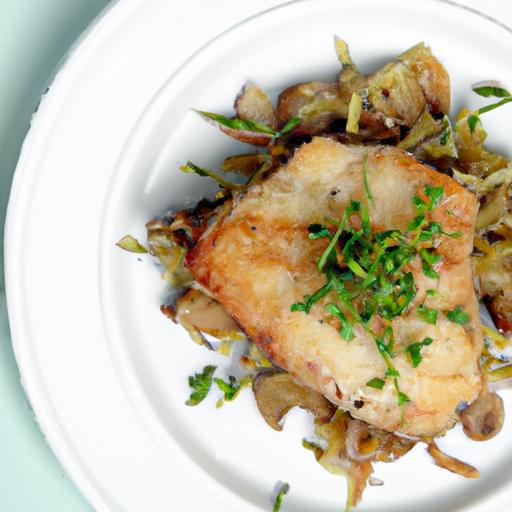



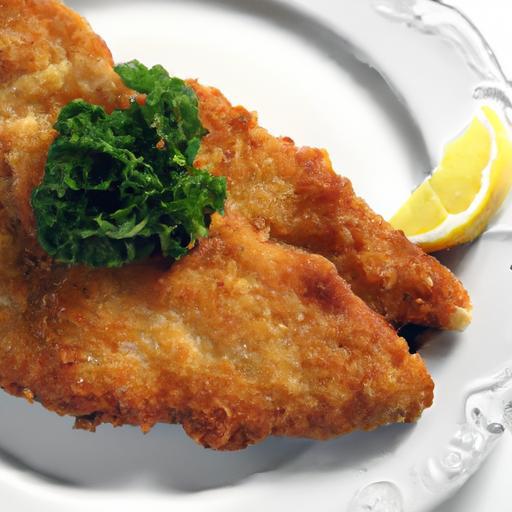
There’s something undeniably irresistible about a golden,crispy schnitzel-its delicate breadcrumb crust giving way to tender,juicy meat inside. This quintessential German dish, celebrated from bustling Berlin cafés to cozy Bavarian taverns, is more than just comfort food; it’s a cultural icon steeped in tradition. In “Crisp and Classic: Mastering Authentic German Schnitzel,” we’ll journey beyond the surface crunch to discover the secrets of crafting schnitzel as it’s meant to be: perfectly balanced in texture and flavor, honoring time-honored techniques passed down through generations. Whether you’re a seasoned home cook or a curious foodie, prepare to transform humble ingredients into a shining centerpiece that captures the heart of German cuisine-one crisp bite at a time.
Crisp and Classic: Mastering Authentic German Schnitzel is an invitation to discover the essence of traditional German cooking, were tenderness and crunch unite in a sublime culinary experience. The secret begins with selecting the perfect cut of meat, crafting the crispiest breading, layering classic flavors, and mastering frying techniques that yield golden, irresistibly crunchy schnitzel every time.
Prep and Cook Time
- Preparation: 20 minutes
- Cooking: 10 minutes
- Total Time: 30 minutes
Yield
Serves 4 generous portions
Difficulty level
Medium – Perfect for home cooks eager to elevate their pan-frying skills
Ingredients
- 4 thin pork loin cutlets (about 5 oz each, ¼ inch thick)
- 1 cup all-purpose flour, sifted
- 2 large eggs, beaten until smooth
- 1 ½ cups fresh white breadcrumbs (preferably from day-old bread)
- 1 tsp fine sea salt
- ½ tsp freshly ground black pepper
- ½ cup vegetable oil (or clarified butter for richer flavor)
- 1 lemon, cut into wedges
- Fresh parsley, finely chopped (for garnish)
Instructions
- Select and tenderize the meat: Place pork cutlets between two sheets of plastic wrap and gently pound with a meat mallet to an even thickness of about ¼ inch. This ensures tenderness and even cooking.
- Prepare your breading stations: Set out three shallow dishes-one with sifted flour seasoned with half the salt and pepper, a second with beaten eggs, and a third with fresh breadcrumbs mixed with remaining salt and pepper for extra flavor.
- Coat the cutlets: Dredge each cutlet thoroughly in the flour, shaking off excess. Next, dip into the egg wash, allowing excess to drip back into the bowl. press into breadcrumbs firmly but gently, ensuring an even layer covers each piece without compacting it.
- Rest the breaded cutlets: Lay them on a wire rack or parchment-lined tray and refrigerate for 10 minutes.This step helps set the breading for maximum crispness during frying.
- Heat your fat: In a large skillet, warm the vegetable oil or clarified butter over medium-high heat until shimmering but not smoking (about 350°F).The right temperature prevents greasy schnitzel and promotes perfect browning.
- Fry the schnitzels: Carefully place cutlets in the hot fat, frying 2 at a time to avoid overcrowding. Cook until deep golden, about 3-4 minutes per side, turning gently with tongs to maintain their beautiful coating.
- Drain and rest: Lift schnitzels onto a paper towel-lined plate to absorb excess oil.Let rest for a few minutes to lock in crispness and juiciness.
- Serve instantly: Garnish with a spritz of fresh lemon juice and a scattering of chopped parsley for authentic brightness.
Tips for Success
- Meat choice: Pork loin is traditional and tender, but veal or even chicken breast are excellent alternatives.
- Breadcrumbs: use fresh, coarse white breadcrumbs rather of processed panko for authentic texture and a golden finish.
- Oil temperature: Maintain steady medium-high heat. Too low and the schnitzel absorbs oil; too high and the breading burns before the meat cooks through.
- Make ahead: Bread schnitzels and refrigerate briefly before frying to improve crust adhesion and crunch.
- For extra crisp: Add a tablespoon of cornstarch to your flour mixture to create a light, resilient coating.
Serving Suggestions
Present your Crisp and Classic: Mastering authentic German Schnitzel with classic sides that elevate its flavors:
- Potato salad: A tangy German-style potato salad with vinegar,mustard,and fresh herbs balances the richness.
- Lemon wedges: They’re essential to cut through the crisp fried coating and enhance the schnitzel’s flavor.
- Lingonberry jam: For a touch of sweet contrast that honors traditional German accompaniments.
- Light green salad: Crisp leaves with a simple vinaigrette brighten the plate visually and on the palate.

| Nutrient | Per Serving |
|---|---|
| Calories | 420 kcal |
| Protein | 35 g |
| Carbohydrates | 25 g |
| Fat | 18 g |
Further reading
Explore more traditional Central European recipes and perfect your frying techniques by visiting our comprehensive guide to German kitchen essentials. For deeper culinary science on frying and breading, consider the detailed insights at Serious Eats: Frying Techniques.
Q&A
Q&A: Crisp and Classic – Mastering Authentic German Schnitzel
Q1: What exactly is a German schnitzel?
A1: At its heart, a German schnitzel is a thin slice of meat-traditionally veal (Wiener Schnitzel)-that’s breaded and fried to golden, crispy perfection. It’s the crispy crown jewel of German cuisine,famed for its delicate crunch and juicy interior.
Q2: How is an authentic German schnitzel different from other schnitzels?
A2: Authentic German schnitzel (especially Wiener Schnitzel) is made exclusively from veal. The key is simplicity and precision: lightly pounding the meat thin, seasoning with salt and pepper, then dipping it in flour, beaten eggs, and fine breadcrumbs before frying in clarified butter or oil until crisp. Unlike variations in other countries, it’s not overloaded with heavy sauces or toppings-letting the crispy crust and tender meat sing.
Q3: What is the secret to getting that perfect crispy crust?
A3: The secret lies in a few golden rules: pat the meat dry to avoid sogginess; press the breadcrumbs gently but thoroughly to adhere; use fresh fine breadcrumbs (or panko for a lighter crunch); and fry in hot clarified butter (or a mix of butter and oil) at the right temperature (around 160-170°C/320-340°F).Resist the urge to overcrowd the pan-air circulation keeps the crust crisp.
Q4: Can I use meats other than veal?
A4: Absolutely! While veal is the classic choice, pork and chicken schnitzels are popular and delicious alternatives throughout Germany.Just remember to pound the meat thin and maintain the breading technique for that signature texture.
Q5: what sides traditionally accompany a german schnitzel?
A5: simplicity rules here as well. Schnitzel is frequently enough served with lemon wedges (a luminous squeeze cuts through the richness), potato salad (warm with vinegar or creamy mayo-based), cucumber salad, or spaetzle (soft egg noodles).Rustically comforting, these sides complement the schnitzel without stealing the spotlight.
Q6: How do I serve schnitzel authentically?
A6: Plate your schnitzel hot and golden, with a lemon wedge perched jauntily on the side. A sprinkle of fresh parsley adds color and freshness. Some like to drizzle a little lingonberry jam or serve it alongside a mushroom cream sauce, but the unadorned classic lets that crunchy coating speak for itself.
Q7: Any tips for avoiding soggy schnitzel?
A7: Yes! After frying, place the schnitzel on a wire rack rather than paper towels. Paper towels trap steam and moisture, wich can soften the crust. Serving immediatly also preserves that coveted crispness.
Q8: Can schnitzel be made ahead or kept warm?
A8: Schnitzel is best enjoyed fresh from the pan. If you must prepare ahead, cool them on a rack and reheat briefly in a hot oven (around 180°C/350°F) to revive the crispness. Avoid microwaving, which wilts the crust.Q9: How important is the pounding step?
A9: Essential! Pounding meat evenly thin ensures quick, even cooking and tenderizes the meat. About ¼ inch thick (6 mm) is ideal-thin enough to crisp perfectly but thick enough to stay juicy inside.
Q10: What’s the cultural meaning of schnitzel in Germany?
A10: Schnitzel is a beloved comfort food with roots stretching back centuries. It represents rustic elegance-simple ingredients transformed into a dish of delightful textures and flavors. Whether found in cozy bavarian taverns or city restaurants,schnitzel remains a symbol of German hospitality and culinary pride.
Ready your meat mallet and sharpen your skillet skills-mastering authentic German schnitzel means embracing the art of crisp, light, and utterly delicious tradition on your plate!
To Conclude
As the golden crust of a perfectly fried schnitzel melts into the tender, juicy meat within, it becomes clear that mastering this beloved German classic is a recipe for both culinary satisfaction and cultural appreciation. Whether you’re a seasoned cook or a curious foodie, embracing the authentic techniques-from the precise breading to the right choice of oil-unlocks a crisp, flavorful experience that transcends the ordinary. So next time you crave a dish that’s simple in ingredients yet rich in tradition, remember: the art of schnitzel is less about complexity and more about honoring time-tested methods. Take up your tongs, summon your skillet, and let every crunchy bite transport you straight to the heart of Germany’s hearty, home-cooked heritage. Guten Appetit!