


There’s an unmistakable magic in a steaming bowl of ramen-a harmonious dance of rich broth, tender noodles, and vibrant toppings that awakens the senses and comforts the soul.But beyond the allure of your favorite ramen joint lies an even greater satisfaction: crafting that perfect bowl yourself, tailored exactly to your tastes. In this guide, we’ll unravel the art and science behind homemade ramen, from simmering savory broths to selecting the ideal noodles and layering flavors that sing. Whether you’re a seasoned cook or a curious foodie, prepare to embark on a culinary journey that transforms humble ingredients into a bowl brimming with warmth, depth, and flavorful complexity. Welcome to the world of homemade ramen-where every slurp tells a story.
Crafting the Perfect Bowl of homemade ramen begins with carefully selecting the ideal broth, masterfully preparing noodles from scratch, and thoughtfully balancing toppings to deliver a symphony of flavors, textures, and visual delight. This journey takes you well beyond the basics,inviting you to explore each element with intention and creativity to achieve a truly authentic and unforgettable experience.
Selecting the Ideal Broth for Depth and Flavour
The soul of your ramen lies in the broth. choosing the right base-whether pork-based tonkotsu, light soy shoyu, or rich miso-sets the stage for depth and complexity.Opt for bones simmered low and slow for 8-12 hours to coax out collagen and umami, resulting in a silky, nutrient-rich foundation. Aromatics such as ginger, garlic, and scallions amplify the fragrance, while a touch of kombu (kelp) and dried shiitake mushrooms introduce subtle oceanic and earthy notes.Avoid rushing this crucial step; patience yields a broth with layers of flavor that dance on the palate and bind all ingredients harmoniously.
Mastering Noodles from Scratch for Authentic Texture
Fresh noodles elevate your bowl to new heights, offering a chewy yet tender bite that prepackaged options can’t match. Combining 1 cup all-purpose flour, sifted, ½ tsp salt, and just enough cold water to form a firm dough, knead until smooth and elastic-about 10 minutes. Resting the dough for 30 minutes relaxes the gluten, ensuring optimal stretch. Roll it out thinly, then cut into thin strands, dusting with flour to prevent sticking. Cooking noodles until al dente-just 1-2 minutes in boiling water-preserves thier springy texture and absorbs flavors beautifully. This hands-on approach fosters a genuine connection with your dish.
Balancing Toppings to Elevate Every Bite
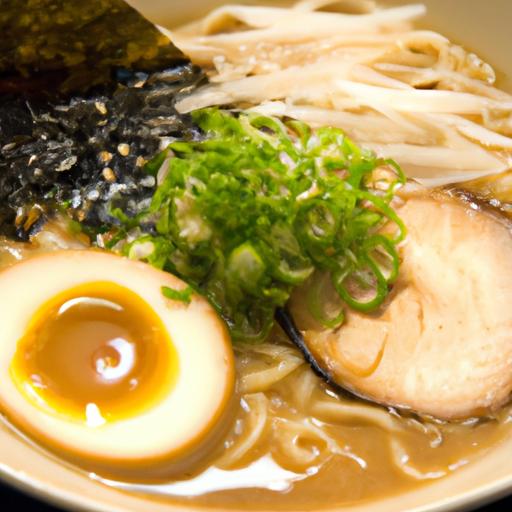
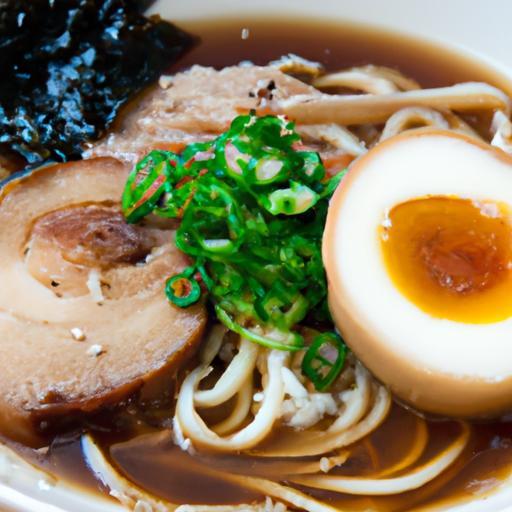
Toppings transform your ramen into a layered culinary masterpiece. Carefully curate a mix of textures and flavors: tender braised chashu pork, soft-boiled marinated eggs, crisp bamboo shoots, fresh julienned scallions, and nori strips offer contrast and harmony. Consider subtle brightness from pickled ginger or a sprinkle of toasted sesame seeds for nuttiness. Each bite should be a balance-salty,savory,creamy,and fresh-engaging the senses and encouraging that crave-worthy ”just one more spoonful” feeling.Remember, presentation is key, arranging toppings thoughtfully to highlight their colors and shapes.
Finishing Touches and serving Tips for presentation and Taste
Before serving, heat your bowl to keep the ramen piping hot, enhancing aroma and mouthfeel. A drizzle of fragrant chili oil or a splash of aromatic sesame oil can add that final flavor punch. Garnish with fresh microgreens or a scattering of toasted nori flakes for elegance and texture. Serve with a pair of polished chopsticks and a deep ceramic spoon to encourage slow savoring. Invite your guests to experience the harmony of broth, noodles, and toppings in every comforting, soul-warming sip and bite.
Prep and Cook time
- Broth: 8-12 hours (hands-off simmering)
- Noodles: 1 hour (including resting and cutting)
- Toppings: 30-45 minutes (depending on selections)
Yield
Serves 4 generous bowls
Difficulty Level
Advanced – attention to detail and patience required for best results
Ingredients
- Broth: 3 lbs pork bones, 1 large onion (halved), 4 cloves garlic (crushed), 2-inch ginger (sliced), 2 sheets kombu, 3 dried shiitake mushrooms, 8 cups water
- Noodles: 1 cup all-purpose flour, sifted; ½ tsp salt; ⅓ cup ice-cold water
- toppings: 4 soft-boiled eggs (marinated in soy and mirin), 8 oz braised chashu pork slices, 1 cup bamboo shoots, 2 scallions (julienned), 4 nori sheets (cut into strips), toasted sesame seeds
- Finishing: Chili oil or toasted sesame oil, fresh microgreens (optional)
Instructions
- Prepare the broth: Rinse pork bones under cold water. Combine bones, onion, garlic, ginger, kombu, and dried shiitake in a large stockpot. Cover with 8 cups of cold water and bring to a gentle boil. Skim impurities frequently to keep the broth clear. lower heat and simmer for 8-12 hours, topping off with water as needed.
- Strain the broth: Remove solids using a fine mesh strainer. Return clear broth to pot and keep warm on low heat.
- Make noodles: In a bowl, mix flour and salt. Slowly add ice-cold water while stirring until the dough forms. Knead on a floured surface for 10 minutes until smooth and elastic.Cover with plastic wrap and rest 30 minutes.
- Roll and cut noodles: Roll dough into a thin rectangle (about 1/8 inch) and dust with flour. Fold dough gently and slice into thin strands (~⅛ inch). Toss noodles with flour to prevent sticking.
- Cook noodles: Boil water in a large pot and cook noodles for 1-2 minutes until al dente. drain and rinse briefly with cold water to stop cooking and remove starch.
- Prepare toppings: Quickly reheat chashu pork slices and bamboo shoots. Peel marinated eggs and slice in half.
- Assemble bowls: Divide noodles among four warmed bowls. Ladle hot broth over noodles. Arrange eggs, pork, bamboo shoots, scallions, and nori artistically on top.
- Finish with oils and garnish: Drizzle with chili oil or sesame oil as desired. Sprinkle toasted sesame seeds and microgreens for fresh dimension.
- Serve immediately: Encourage savoring with chopsticks and spoon for broth.
Tips for Success
- Broth: Start broth readiness the day before to maximize flavor development.
- Noodles: Use ice-cold water for dough to control gluten development, yielding tender, chewy texture.
- Toppings: Customize with seasonal vegetables or different proteins like tofu or chicken for versatility.
- Make-ahead: Broth keeps well refrigerated for 3 days or frozen in portions for up to 3 months.
- Broth clarity: Blanch bones briefly before simmering to remove impurities for a cleaner finish.
Serving suggestions
Serve ramen in deep ceramic bowls warmed beforehand to retain heat. Garnish with a fresh scattering of scallions, toasted sesame seeds, and thin nori strips to enhance visual contrast. Pair with pickled ginger or a side of steamed edamame for added freshness. Provide chopsticks and ramen spoons to fully enjoy the melding of broth, noodles, and toppings. A chilled sake or a light Japanese beer complements the meal beautifully.
| Nutrient | Per Serving |
|---|---|
| Calories | 560 kcal |
| Protein | 35 g |
| Carbohydrates | 45 g |
| Fat | 22 g |
Discover more ramen techniques here for perfecting your noodle game. for in-depth broth science, visit Serious Eats’ Tonkotsu Broth Guide.

Q&A
Q&A: Crafting the Perfect Bowl – A Guide to Homemade Ramen
Q1: What makes ramen more than just a bowl of noodles?
A1: Ramen is a culinary symphony-a harmonious blend of broth, noodles, toppings, and seasoning. Each component tells a story, from the simmered depths of the broth to the bite of springy noodles, culminating in an experience that nourishes both body and soul.
Q2: Where should I begin when making ramen at home?
A2: Start with the foundation: the broth. Whether you choose a rich tonkotsu, a clean shoyu, or a smoky miso, patience is key. Simmering for hours extracts flavors and layers depth, creating that velvety base that defines your ramen.
Q3: How important are the noodles in the overall dish?
A3: Noodles are the heartbeat of ramen. Fresh, alkaline noodles provide that iconic chewy texture and spring, balancing the broth’s intensity. If fresh isn’t an option, seek out high-quality dried noodles but avoid overcooking to maintain bite.
Q4: What toppings transform a simple bowl into a masterpiece?
A4: toppings are your canvas to customize-soft-boiled ajitsuke tamago, tender chashu pork, crisp nori, fresh scallions, bamboo shoots, and even corn or mushrooms. Each adds texture and flavor, turning humble ramen into a personalized delight.
Q5: Can I adapt ramen to fit dietary preferences or restrictions?
A5: Absolutely! Ramen is wonderfully versatile. Use vegetable or chicken broth for lighter options, swap noodles for gluten-free variants, and experiment with vegan toppings like marinated tofu or a medley of mushrooms. The essence lies in balancing flavors, not rigid ingredients.
Q6: Any tips to elevate my homemade ramen from good to unforgettable?
A6: Don’t rush the broth, embrace layering flavors-garlic, ginger, miso, soy sauce-and master the seasoning. Serve noodles and toppings separately, then assemble just before eating to keep textures vibrant. And most importantly: savor every slurp!
Q7: Is homemade ramen time-consuming?
A7: While customary ramen can be a labor of love taking several hours, many shortcuts exist-like using pre-made broth bases or fast-pickled toppings-that still deliver satisfying results without the marathon cooking session.
Q8: How do I store leftover ramen components?
A8: Keep broth refrigerated for up to 3 days or freeze in portions. Store noodles separately to avoid sogginess, and save toppings in airtight containers.Reheat broth gently and combine fresh for the best bowl every time.
Crafting the perfect bowl of ramen is both art and science-a mindful process where passion meets patience. With these insights, your kitchen transforms into a ramen haven, inviting endless creativity and comfort in every steaming bowl.
Wrapping Up
As you wrap up your journey through the art of crafting the perfect bowl of homemade ramen, remember that this beloved dish is as much about patience and intuition as it is about ingredients and technique. Each simmered broth, hand-pulled noodle, and carefully balanced topping tells a story-a story you get to write with every pot you stir and every bowl you serve. Whether you favor a deep, umami-rich tonkotsu or a light, fragrant shoyu, the beauty of ramen lies in its endless possibilities. So embrace the process, experiment boldly, and savor the warmth and comfort that only a bowl of homemade ramen can bring.the perfect bowl is not just a meal; its your personal masterpiece waiting to be enjoyed.