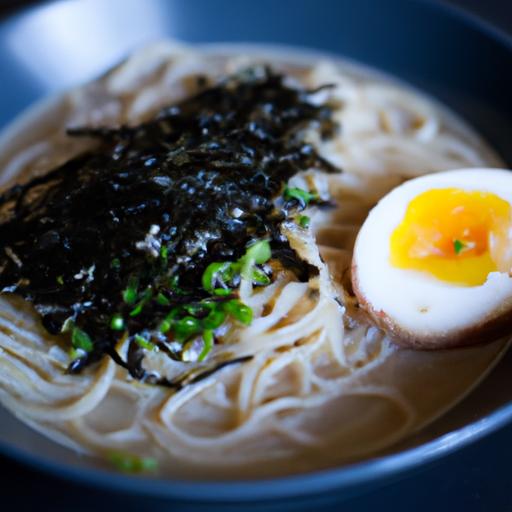



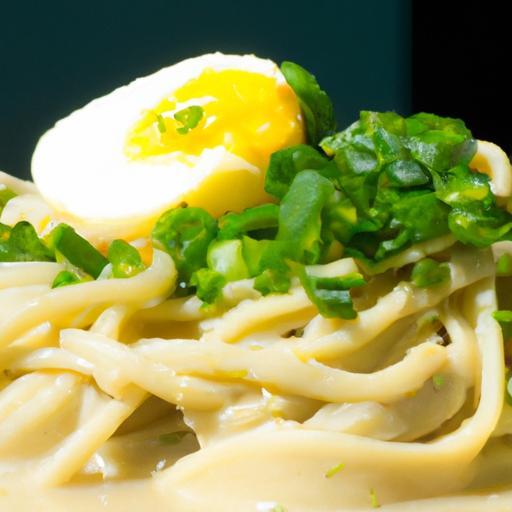
In teh cozy realm of comfort foods, few dishes capture the heart quite like a steaming bowl of ramen. Beyond its reputation as a quick lunch fix, homemade ramen invites you on a vibrant culinary adventure-one where fresh ingredients, rich broths, and hand-crafted noodles converge to create a symphony of flavors. “Crafting Homemade Ramen: A Flavorful DIY noodle Journey” delves into the art of making this iconic Japanese dish from scratch, guiding you through each step with insight and inspiration. Whether you’re a seasoned home cook or a curious foodie, this flavorful journey promises to transform simple pantry staples into a deeply satisfying experience that warms both body and soul.
Crafting Homemade Ramen is not just a culinary adventure-it’s a heartfelt journey into the depths of umami, texture, and tradition. From selecting the ideal broth base to mastering the delicate craft of handmade noodles, and elevating the bowl with thoughtful toppings, every element plays a crucial role in capturing the authentic soul of ramen. This guide will take you step-by-step through each essential stage, inspiring your kitchen to become a ramen haven.
Prep and Cook Time
- Readiness Time: 1 hour 30 minutes
- Cook Time: 2 hours
Yield
Serves 4 hearty bowls
Difficulty Level
Medium – perfect for adventurous home cooks ready to master ramen fundamentals
ingredients
-
- for the Broth Base:
- 2 lbs pork bones (preferably neck and trotters), blanched
- 1 med onion, halved
- 4 garlic cloves, smashed
- 1-inch piece of ginger, sliced
- 4 dried shiitake mushrooms
- 1/4 cup soy sauce
- 2 tbsp miso paste (white or red, depending on desired depth)
- 2 tbsp sake
- 1 tbsp mirin
- Water (enough to cover bones and ingredients)
- For Handmade Noodles:
- 2 cups all-purpose flour, sifted
- 1/2 tsp fine salt
- 2/3 cup cold water
- 1/2 tsp baking soda (as kansui substitute)
- Thoughtful toppings & Garnishes:
- 2 soft-boiled eggs, marinated overnight
- 1 cup sliced chashu pork (braised and thinly sliced)
- 2 green onions, finely chopped
- Nori sheets
- Bamboo shoots (menma)
- Sesame seeds
- Pickled ginger
- for the Broth Base:
Instructions
-
-
- Prepare the Broth Base: Rinse and blanch the pork bones in boiling water for 10 minutes to purify. Discard blanch water. In a large stockpot, combine bones, onion, garlic, ginger, shiitake mushrooms, and cover with fresh water. Bring to a gentle boil, then reduce to low and simmer uncovered for 2 hours, skimming the surface occasionally to keep broth clear and rich.
- After 2 hours, strain the broth through a fine mesh. Return the clear broth to the pot. Stir in soy sauce,miso paste,sake,and mirin. Adjust seasoning carefully, tasting for balanced umami and saltiness. Keep warm on low heat.
- create the Handmade Noodles: In a bowl, dissolve the baking soda in the cold water. Combine the flour and salt in a large mixing bowl. Gradually pour in the soda water, mixing with chopsticks or your hands until shaggy dough forms.
- Transfer dough to a floured surface and knead for 8-10 minutes until smooth and elastic. Cover with a damp cloth and let it rest for 30 minutes.
- Roll out the dough to about 1/8 inch thickness. Dust with flour and fold carefully into thirds. Using a sharp knife, slice into thin noodles about 1/8 inch wide. Toss noodles with flour to prevent sticking.
- Bring a large pot of salted water to a rapid boil. Cook noodles for 2-3 minutes or until tender but firm. Drain and rinse briefly with cold water to stop cooking.
- Assemble and Elevate Your Ramen Bowl: Ladle the hot broth into serving bowls. Add cooked noodles, then arrange toppings thoughtfully: soft-boiled egg halves, chashu pork slices, bamboo shoots, green onions, and nori sheets. Sprinkle sesame seeds and a touch of pickled ginger for brightness.
-
Chef’s Notes & Tips for Success
-
-
- For a truly deep broth, consider roasting the bones before simmering for a caramelized note and richer color.
- Using baking soda mimics kansui, offering that signature chewy ramen texture without specialty ingredients.
- Resting your noodle dough is key-skipping this step can result in tough noodles.
- Marinate soft-boiled eggs overnight in a soy and mirin mixture for intensified flavor.
- Prepare broth a day ahead and refrigerate; fats will congeal for easy removal if you prefer a cleaner taste.
-
Serving Suggestions
Serve your homemade ramen steaming hot in deep bowls, garnished with a few fresh sprigs of cilantro or mitsuba for herbal brightness. Offer a small side dish of pickled vegetables to contrast the richness. A chilled glass of green tea or sake perfectly complements the multi-layered flavors.don’t forget chopsticks and a soup spoon for an authentic dining experience.

| Nutrient | Per Serving |
|---|---|
| Calories | 550 kcal |
| Protein | 35 g |
| Carbohydrates | 50 g |
| Fat | 18 g |
To deepen your noodle mastery and broth crafting techniques,explore our homemade udon noodle recipe. For a deeper dive into traditional ramen history and varieties, visit the serious Eats ramen guide.
Q&A
Q&A: Crafting Homemade ramen - A flavorful DIY Noodle Journey
Q1: Why make homemade ramen when instant noodles are so quick and convenient?
A1: while instant noodles offer speedy satisfaction, homemade ramen transforms mealtime into a soulful ritual. Crafting your own broth,noodles,and toppings unlocks a world of complex flavors,textures,and aromas that instant packets simply can’t rival. It’s not just food-it’s an art form and a personal journey into Japanese culinary tradition.
Q2: What’s the secret to a rich, flavorful ramen broth?
A2: Patience. The heart of classic ramen broth lies in slow-simmered ingredients like pork bones, chicken, kombu seaweed, and dried shiitake mushrooms. This slow-cooking process extracts deep umami flavors that create a luscious, savory base. Balancing saltiness with a touch of sweetness-often from mirin or miso-brings the broth alive.
Q3: Can I make ramen noodles from scratch? Is it difficult?
A3: Absolutely! Homemade ramen noodles require just a few ingredients-flour, water, salt, and kansui (alkaline water)-which gives noodles their signature chewy texture and yellow hue. Kneading,resting,and rolling the dough is part of the joyous process. While it takes some practice, the satisfaction of slurping freshly made noodles is well worth the effort.
Q4: How can I customize toppings to elevate my ramen bowl?
A4: The beauty of DIY ramen is personalization. classic toppings include sliced chashu pork, soft-boiled eggs with runny yolks, bamboo shoots, scallions, and nori seaweed. Experiment with textures and flavors: add pickled ginger for zing, corn kernels for sweetness, or spicy chili oil for heat. Each topping layers depth onto your bowl’s story.
Q5: What’s the best way to plate and enjoy homemade ramen?
A5: Presentation enhances the experience. Use a deep bowl to hold your steaming broth and noodles, then artfully arrange toppings for visual appeal. Don’t forget chopsticks and a ramen spoon! Eat mindfully-slurp your noodles to cool them and savor every mouthful as the flavors unfold. Homemade ramen is as much about savoring the moment as the meal itself.
Q6: Any tips for beginners attempting homemade ramen for the first time?
A6: Begin simple-try a basic shoyu (soy sauce) or miso broth and use store-bought noodles initially if you want to focus on the broth and toppings. Gradually experiment with making your own noodles or more elaborate broths. Keep a flavor journal to track what you like, and remember: every bowl teaches you something new. Ramen is a tasty adventure, not a race.
Embarking on your DIY ramen journey is more than cooking-it’s connecting with centuries of culinary tradition, and creating something deeply satisfying from scratch. Ready your pots, sharpen those knives, and dive into the flavorful depths of homemade ramen!
Wrapping Up
as you wrap up your homemade ramen adventure, remember that this flavorful journey is as much about creativity as it is about tradition.From kneading the dough to simmering the broth, each step invites you to infuse your personal touch into a timeless bowl of comfort. Whether you favor a rich miso base or a delicate shoyu harmony, crafting ramen at home transforms a simple meal into an experience-one where patience, passion, and a pinch of curiosity come together in every slurp. So gather your ingredients, embrace the process, and let your kitchen become a sanctuary of savor and satisfaction, proving that the soul of ramen truly resides in the heart you put into making it.