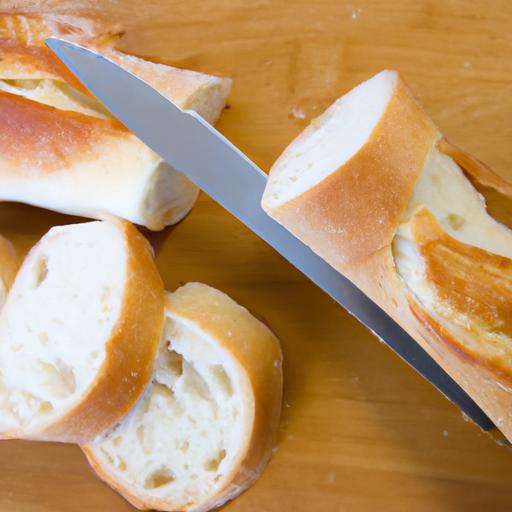



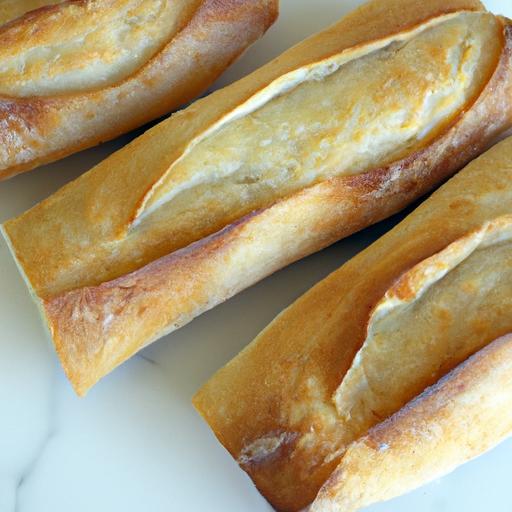
There’s something almost magical about the crusty, golden exterior adn airy, tender crumb of a perfectly baked French baguette. More than just bread, it’s a beloved symbol of tradition, craftsmanship, and the simple pleasures of everyday life. Yet, behind this iconic loaf lies an artful balance of patience, technique, and quality ingredients-none more essential than yeast. In this guide, we’ll demystify the process of crafting classic French baguettes right in your own kitchen, using a straightforward yeast recipe that invites both beginners and seasoned bakers to experience the joy of homemade bread. From mixing to shaping to that satisfying crackle as you slice through the crust, prepare to embark on a flavorful journey that honors time-honored French baking secrets with approachable, step-by-step instructions.
Crafting classic French baguettes begins with a deep appreciation for the traditional dough and precise yeast activation, which together create that signature airy crumb and crisp crust. This time-honored bread stands as an edible symbol of French culinary artistry, embodying simplicity and elegance in every bite.
prep and Cook Time
- Preparation: 20 minutes
- First Rise: 1 hour 30 minutes
- Shaping and Second Rise: 45 minutes
- Baking: 25 minutes
- total Time: Approximately 3 hours 10 minutes
Yield
Makes 3 classic French baguettes, each about 14 inches long, ideal for sharing with family or serving at a casual gathering.
Difficulty Level
Medium – A rewarding challenge for home bakers looking to refine their bread-making skills with authentic technique and patience.
Ingredients
- 500g bread flour, sifted
- 350ml lukewarm water (about 100°F / 38°C)
- 7g active dry yeast (1 packet)
- 10g fine sea salt
Instructions
- Activate the yeast: In a small bowl, combine lukewarm water and active dry yeast. Stir gently and let it rest for 5-10 minutes, until it becomes foamy. This proofing stage ensures that your yeast is alive and ready to give the dough a perfect rise.
- Mix the dough: In a large bowl, mix the bread flour and fine sea salt. Slowly pour the yeast mixture into the flour, stirring with a wooden spoon to combine. When the dough comes together, transfer to a lightly floured surface.
- Knead gently: Knead the dough for 8-10 minutes until smooth and elastic. The dough shoudl feel soft yet slightly tacky-avoid adding too much flour,as this can toughen the crumb.
- First rise: Place the dough in an oiled bowl, cover with a damp cloth or plastic wrap, and let it rise in a warm place for 1 hour 30 minutes, or until doubled in size. This slow fermentation builds flavor and texture.
- Shape the baguettes: Gently deflate the dough and divide it into three equal portions.With wet hands, elongate each piece into a classic baguette shape-about 14 inches long, tapering lightly at the ends.
- Second rise: Place shaped dough onto a floured couche or parchment-lined baking tray. cover and rest for 45 minutes. Maintaining some tension on the dough surface at this stage helps develop a beautiful crust.
- Score for authentic crust: Using a sharp serrated knife or a lame,make 3 to 5 diagonal slashes about ¼-inch deep along each baguette’s length. Scoring guides the bread’s expansion and creates that iconic crust pattern.
- Preheat and bake: Preheat your oven to 475°F (246°C) with a baking stone or heavy tray inside. Place a shallow pan at the bottom for steam.Slide baguettes onto the hot stone, immediately pour 1 cup of hot water into the pan, and quickly close the door.
- bake: Bake for 20 minutes, then remove the steam pan, lower oven temperature to 425°F (218°C), and bake an additional 5 minutes until golden brown and crisp.
- Cool properly: Rest the baguettes on a wire rack for at least 30 minutes before slicing, allowing the crumb to set fully and the crust to maintain its crunch.
Tips for Success
- For the warmest yeast activation, aim for water temperature between 100-110°F (38-43°C). Too hot will kill the yeast; too cold slows fermentation.
- Use unbleached bread flour to build a stronger gluten network for that perfect chew and elasticity.
- resting the dough uncovered at the last stage helps dry and firm the skin,enhancing crust crispness.
- Invest in a lame or very sharp blade to make clean, precise scores; messy cuts cause uneven expansion.
- Customize your baguette by adding herbs like rosemary or thyme during mixing for an aromatic twist.
- Store leftover baguettes in paper bags at room temperature for up to 2 days; refresh in a warm oven to revive crispness.
Serving Suggestions
The beauty of classic French baguettes lies in their versatility. Serve warm slices slathered with European-style butter or paired with a charcuterie board featuring soft cheeses, olives, and cured meats. For a casual meal, slice baguettes into sandwiches filled with fresh herbs, Dijon mustard, and thinly sliced roast beef. Garnish with a sprinkle of flaky sea salt or a light brush of extra virgin olive oil to elevate the crust’s flavor and sheen.

Baking Temperature and Time at a Glance
| Stage | Temperature | Duration |
|---|---|---|
| Initial bake with steam | 475°F (246°C) | 20 minutes |
| Final bake without steam | 425°F (218°C) | 5 minutes |
Explore more artisan bread recipes to expand your baking repertoire. For further scientific insight on yeast and dough chemistry, visit the King Arthur Baking Guide.
Q&A
Q&A: Crafting Classic French Baguettes – Your Simple Yeast Recipe Guide
Q1: What makes a french baguette truly classic?
A1: The charm of a classic French baguette lies in its golden, crispy crust, airy crumb with irregular holes, and that unmistakable aroma of freshly baked bread. It’s simple yet elegant-just flour, water, yeast, and salt-mastered through time-honored techniques.
Q2: Why is yeast essential in making baguettes?
A2: Yeast is the magical ingredient that breathes life into the dough. It ferments sugars,producing carbon dioxide which creates the baguette’s signature airy texture.Without yeast, you’d have flat, dense bread-missing that lightness we adore.
Q3: Can I use instant yeast rather of fresh yeast?
A3: Absolutely! both fresh and instant yeast work wonderfully, though instant yeast is more convenient and has a longer shelf life. Just remember to adjust your measurements-typically, 1 teaspoon of instant yeast equals 3 grams of fresh yeast.
Q4: How do I achieve the perfect crust on my baguette?
A4: The secret is steam. introducing steam in the oven during the first 10-15 minutes of baking keeps the crust moist, allowing it to expand fully before crisping up. you can create steam by placing a tray of water in the oven or spritzing water on the oven walls.
Q5: what’s the ideal fermentation time for baguette dough?
A5: Patience is key! Let the dough ferment slowly-typically 1 to 2 hours at room temperature, or longer if refrigerated overnight.Slow fermentation enhances flavor and develops the baguette’s characteristic texture.
Q6: How should I shape the dough to get that classic baguette look?
A6: After the first rise, gently degas the dough and divide it into equal portions. Roll each portion into a long, slender shape-about 14 inches-with tapered ends. Avoid pressing too hard to preserve the air bubbles inside.
Q7: Can I make baguettes without a professional oven or baking stone?
A7: Yes! While a baking stone mimics the hot surface of a commercial oven, you can use an inverted baking tray or cast-iron skillet preheated in your oven. These methods help create the bottom heat necessary for a crispy crust.
Q8: Any tips for beginners attempting their first baguette?
A8: Start simple-focus on mastering dough hydration and handling. Don’t rush the fermentation or baking times. Keep your workspace floured but not overloaded, and most importantly, enjoy the process.Even imperfect baguettes hold the heart of French baking!
Q9: how should I store my baguettes?
A9: Baguettes are best enjoyed fresh the day they’re baked. To keep them crisp, store at room temperature wrapped loosely in paper. Avoid plastic-it traps moisture and softens the crust. For longer storage, slice and freeze your baguette, then reheat before serving.
Q10: What dishes pair beautifully with a freshly baked French baguette?
A10: The possibilities are endless! Classic pairings include creamy brie, sharp cheddar, or a smear of garlic butter. Serve alongside hearty stews, fresh salads, or use as the star in sandwiches. every slice is a gateway to culinary delight.
concluding Remarks
As the golden crust crackles under your fingers and the warm,airy crumb melts on your tongue,you’ll realize that crafting classic French baguettes is more than just baking-it’s a party of tradition,patience,and simple ingredients coming to life. With this straightforward yeast recipe as your guide, you’re not just making bread; you’re embracing a timeless art that transforms everyday moments into something truly exceptional.So, grab your flour, water, yeast, and salt, and let the fragrant magic of the baguette fill your kitchen-and your heart. Bon appétit!