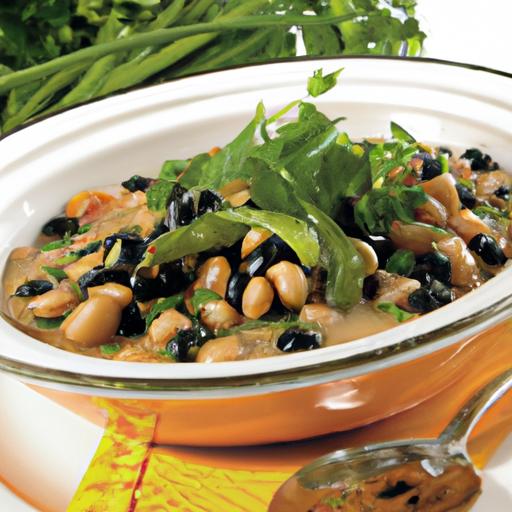




There’s something deeply comforting about a humble bowl of black-eyed peas-those tender,buttery legumes that have nourished cultures and traditions around the world for centuries. Yet, despite their popularity, many home cooks struggle to achieve that perfect balance of creamy texture and rich, savory flavor. In “Black-Eyed Peas Perfected: A Step-by-Step Cooking Guide,” we’ll unravel the secrets to turning these modest beans into a culinary masterpiece.From soaking tips to seasoning tricks, this guide is your passport to mastering a timeless dish that’s as comforting as it is appetizing. Whether you’re a seasoned cook or a curious novice, get ready to elevate black-eyed peas from pantry staple to star ingredient on your dinner table.
Black-Eyed Peas Perfected: A Step-by-Step Cooking Guide
Black-eyed peas have long been treasured for their tender texture and earthy flavor, making them a beloved staple in kitchens worldwide. This classic legume, celebrated in Southern soul food and African culinary traditions alike, delivers warmth and comfort in every bite. Whether you’re crafting a hearty stew or a vibrant salad, mastering black-eyed peas perfects your ability to create dishes that truly sing with flavor and depth.
Prep and Cook Time
- Preparation: 10 minutes + 8 hours soaking
- Cooking: 1 hour 30 minutes (slow cook)
Yield
Serves 6 hearty portions
Difficulty Level
Medium – Perfect for home cooks ready to elevate legumes to a new standard
Ingredients
- 1 cup dried black-eyed peas, rinsed and sorted
- 4 cups filtered water, for soaking
- 1 medium yellow onion, finely chopped
- 3 cloves garlic, minced
- 1 teaspoon smoked paprika
- 1 teaspoon ground cumin
- 1/2 teaspoon cayenne pepper (adjust to taste)
- 2 teaspoons kosher salt, divided
- 1 teaspoon freshly ground black pepper
- 2 tablespoons olive oil
- 4 cups low-sodium vegetable or chicken broth
- 2 bay leaves
- 1 teaspoon apple cider vinegar (optional, adds brightness)
- Fresh chopped parsley or green onions for garnish
Instructions
- Choose and soak your black-eyed peas. After rinsing, place the black-eyed peas in a large bowl and cover with filtered water by 2 inches. Soak for at least 8 hours or overnight. This process softens them and reduces cooking time while enhancing digestibility.
- Drain and rinse the black-eyed peas thoroughly. Discard the soaking water to remove any residual grit.
- prepare the seasoning base. Heat olive oil in a heavy-bottomed pot over medium heat. Add chopped onion and sauté until translucent and golden, about 5 minutes. Stir in minced garlic and cook another minute until fragrant, taking care not to burn it.
- Incorporate the spices. Sprinkle in smoked paprika, ground cumin, cayenne pepper, salt (reserve half for later), and black pepper. Stir constantly for 30 seconds to toast the spices, unlocking their aromatic oils.
- Add the soaked black-eyed peas and broth. Pour in the black-eyed peas along with the vegetable or chicken broth and add bay leaves.Bring to a gentle boil.
- Slow cook for tender perfection. Lower heat to a simmer, cover partially with a lid, and let cook gently for 1 to 1½ hours.Stir occasionally to prevent sticking and check for moisture, adding small amounts of water or broth if necessary. Black-eyed peas are done when creamy and tender but intact.
- Finish with seasoning and acidity. Stir in the remaining salt and apple cider vinegar to brighten the flavors.Adjust seasoning to taste.
- Garnish and serve. Remove bay leaves and ladle into bowls. Top with freshly chopped parsley or sliced green onions for a burst of freshness and color.
Tips for Success
- Pick the freshest black-eyed peas. Look for plump, unwrinkled beans with a pale cream color contrasted by the iconic black “eye.” Avoid shriveled or spotted peas as they will compromise texture and flavor.
- Soaking is key. While fast-soaking shortcuts exist, a slow soak overnight keeps the peas tender and minimizes the risk of splitting during cooking.
- Season layers. Incorporate spices early to bloom their flavors,but reserve some salt to add after cooking,preventing tough skins.
- Low and slow is the magic. Maintaining a gentle simmer allows the peas to become luxuriously creamy without turning mushy.
- Make-ahead kind. Cooked black-eyed peas store beautifully for up to 4 days refrigerated and freeze well for up to 3 months.
Serving Suggestions
Enjoy black-eyed peas as a comforting side or centerpiece. Pair them with smoky sautéed greens for a Southern-inspired meal. Spoon over fluffy white rice or creamy polenta, or toss into warm grain bowls. for an elegant touch,drizzle with chili oil or scatter toasted pecans and crumbled goat cheese on top. Don’t forget a wedge of crusty bread to soak up the luscious broth!

Nutritional Information (per serving)
| Calories | Protein | Carbohydrates | Fat |
|---|---|---|---|
| 210 kcal | 12 g | 35 g | 4 g |
For more on the nutritional benefits of black-eyed peas, visit NutritionValue.org.
Q&A
Q&A: Black-Eyed Peas Perfected: A Step-by-Step Cooking Guide
Q1: Why are black-eyed peas considered a culinary gem?
A: Black-eyed peas aren’t just humble legumes-they’re tiny orbs packed with history,nutrition,and versatility. Revered in Southern and African cuisines alike, these creamy peas offer a delicate earthy flavor and a satisfying bite, making them perfect for hearty stews, fresh salads, or even unexpected desserts. When cooked right, they transform from simple pantry staples into velvety bites of comfort.
Q2: What’s the secret to perfectly cooked black-eyed peas?
A: patience and preparation are your best friends. Start by sorting and rinsing the peas to remove debris. Soaking them for a few hours or overnight softens their texture and reduces cooking time, even though it’s not mandatory. Cooking them slowly with aromatic ingredients-think garlic, bay leaves, and onions-infuses layers of flavor. The peas should be tender but not mushy, holding their shape like a comforting hug in every spoonful.
Q3: Can I skip soaking black-eyed peas?
A: Absolutely! While soaking does speed up cooking and can improve digestibility, black-eyed peas are fairly quick to cook compared to other dried legumes. If you’re short on time, you can rinse and cook them directly; just allow a bit more simmering time and keep an eye on texture. But for a silky, perfectly tender pea, soaking is a worthwhile step.
Q4: How do I avoid mushy or undercooked black-eyed peas?
A: Timing is everything.Keep a gentle simmer-not a rolling boil-to prevent the peas from breaking apart. Check their texture after about 25-30 minutes, then every 5 minutes until they’re tender but still intact. Overcooking is the biggest culprit for mushiness,so once they’re soft enough to bite thru easily,it’s time to remove them from heat.
Q5: What flavor pairings elevate black-eyed peas?
A: The peas themselves have a subtle earthiness that loves bold companions. Smoked ham hocks, crispy bacon, or spicy chorizo add smoky depth. Fresh herbs like thyme, rosemary, or parsley bring brightness. A splash of vinegar or a squeeze of lemon juice can balance richness with acidity. Don’t forget a pinch of cayenne or smoked paprika for that gentle kick-black-eyed peas are your culinary canvas!
Q6: Can I use canned black-eyed peas in this recipe?
A: Yes, canned peas offer convenience and a quick shortcut. Since they’re already cooked,add them towards the end of your dish’s cooking time just to heat through. Adjust seasoning carefully as canned peas can be saltier and softer in texture. For the most authentic, deeply flavored experience, though, cooking dried peas fresh will always shine brightest.
Q7: Any tips for storing and reheating cooked black-eyed peas?
A: Cooked black-eyed peas keep beautifully in the fridge for up to 4 days, and freeze well for up to 3 months.Store them in an airtight container with some cooking liquid to maintain moisture.When reheating, do so gently over low heat with a splash of water or broth to revive their creamy texture without drying out.
With a little love and know-how, black-eyed peas can move from pantry filler to the star of your plate. Follow these steps, embrace their nuances, and you’re well on your way to perfecting these soulful legumes. Bon appétit!
Concluding Remarks
As you wrap up your culinary journey through the art of perfecting black-eyed peas, remember that this humble legume holds a world of flavor and tradition in every bite. With patience, the right techniques, and a sprinkle of creativity, you’ve transformed simple ingredients into a dish that’s both comforting and vibrant.Whether served alongside a festive meal or enjoyed on its own, your black-eyed peas now carry a story of careful preparation and timeless taste. So, go ahead-savor each spoonful, share your creation, and let these perfected peas become a staple in your kitchen repertoire. After all, mastery is best enjoyed one delicious bite at a time.