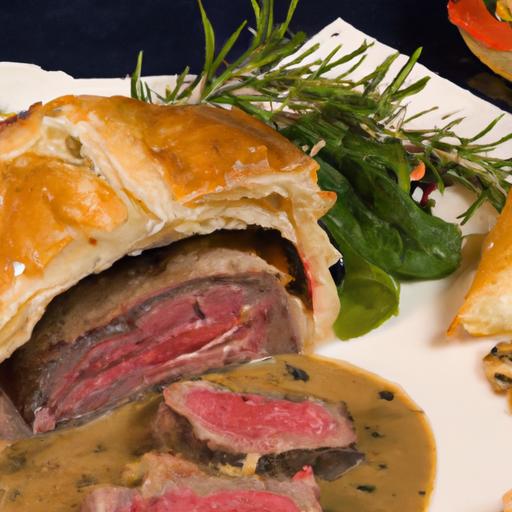



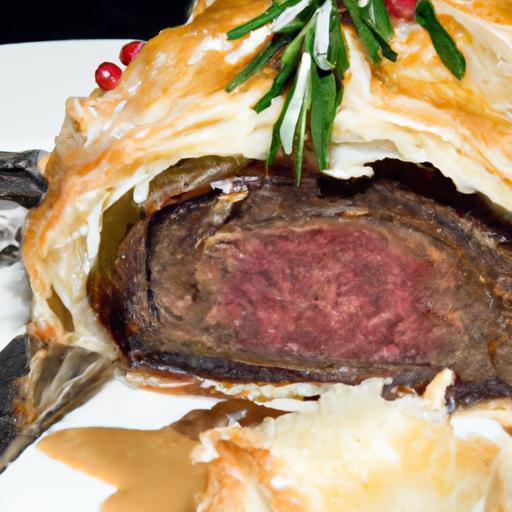
few dishes embody the pinnacle of culinary elegance quite like Beef Wellington-a symphony of flavors wrapped in golden, flaky pastry that has long mesmerized food enthusiasts around the globe. At the heart of this timeless classic stands Master Gordon Ramsay, whose rendition transforms a conventional recipe into an unforgettable dining experience.In this article, we unravel the secrets behind Ramsay’s iconic Beef Wellington, guiding you step-by-step through the artistry, technique, and passion that elevate this dish from a mere meal to a masterpiece. Prepare to don your apron and embark on a gastronomic journey where precision meets indulgence in every bite.
Master Gordon Ramsay’s Beef Wellington recipe is the epitome of culinary artistry,combining luxurious textures and bold flavors that create a memorable dining experience. This iconic British dish is revered for its delicate balance between the succulent beef fillet, the earthy richness of the duxelles, and the crisp, buttery puff pastry that encases it all. Whether you’re preparing a special occasion meal or simply looking to elevate your kitchen repertoire, understanding each component’s role and mastering key techniques will empower you to craft this classic with confidence and finesse.
Prep and Cook Time
- Readiness Time: 45 minutes
- Cooking Time: 30 minutes
- Resting Time: 15 minutes
Yield
- Serves 6
Difficulty Level
- advanced – Ideal for confident home cooks ready to embrace precision and technique
Ingredients
- 1 (800g) center-cut beef fillet (prime tenderloin), trimmed
- 2 tbsp olive oil
- 4 oz (115g) chestnut mushrooms, finely chopped
- 2 shallots, finely diced
- 2 garlic cloves, minced
- 3 tbsp unsalted butter
- 6-8 slices prosciutto
- 2 tbsp fresh thyme leaves
- Salt and freshly ground black pepper, to taste
- 1 tbsp Dijon mustard
- 1 sheet of puff pastry (about 250g), thawed
- 2 egg yolks, beaten (for egg wash)
- Flour, for dusting
Instructions
- Prepare the beef fillet: Pat the beef dry with paper towels. Season generously with salt and pepper. Heat the olive oil in a hot frying pan and sear the fillet on all sides until deeply browned, about 2-3 minutes per side. This seals in the juices and creates a flavorful crust. Remove from heat and brush evenly with Dijon mustard. Let it cool.
- Make the duxelles: Melt butter in a skillet over medium heat. Add shallots and garlic,sautéing until softened. add finely chopped mushrooms and cook until the moisture evaporates and the mixture is golden, around 10 minutes. Stir in thyme leaves, season with salt and pepper, then set aside to cool.
- Prepare the prosciutto wrap: On a large piece of cling film, arrange the prosciutto slices in an overlapping fashion, forming a rectangle slightly bigger than the fillet. spread the cooled duxelles evenly over the prosciutto layer. Place the fillet on top and,using the cling film,roll the prosciutto tightly around the beef,twisting the ends to secure. chill in the refrigerator for 30 minutes to firm up.
- Roll out the puff pastry: Lightly dust your work surface with flour.Roll the puff pastry into a rectangle large enough to envelop the beef entirely. Unwrap the beef roll and place it in the center of the pastry.
- Encase the beef: Brush the edges of the pastry with beaten egg yolk. Fold the pastry tightly around the beef, trimming any excess. Seal by pressing the edges firmly and folding under. Brush the entire pastry-wrapped fillet with egg wash for a glossy finish.
- Chill before baking: Place the wrapped beef on a lined baking tray and refrigerate for at least 15 minutes to let the pastry firm up and hold its shape. This step prevents shrinkage.
- Bake to perfection: Preheat your oven to 200°C (390°F). Using a sharp knife, score the top of the pastry lightly in a decorative pattern, taking care not to cut through. Brush again with egg wash. Bake for 25-30 minutes until the pastry is golden brown and crisp. For best results, use a meat thermometer: aim for 125°F (52°C) for rare or 135°F (57°C) for medium-rare.
- Rest and serve: Let the beef Wellington rest for 10-15 minutes before slicing. This allows the juices to redistribute and ensures clean slices.
Tips for Success: Insider Secrets to Elevate Every Layer
- Choosing the Beef: Opt for a high-quality center-cut fillet; its uniform shape allows for even cooking.
- Searing Right: Ensure the pan and oil are hot before searing to achieve a caramelized crust without overcooking the interior.
- Duxelles Flair: Finely chopping mushrooms is key – a food processor pulse works well. Cook slowly to reduce moisture fully, avoiding soggy pastry later.
- Prosciutto Layer: This salty, smoky wrap acts as a barrier to keep the pastry crisp – do not substitute with bacon as it adds unwanted grease.
- Pastry Handling: Keep the puff pastry cold; overworking or warming it will result in a heavy texture instead of flakes.
- timing Is Everything: Rest all components after cooking and before baking; this prevents steam from softening the pastry.
- Presentation: score pastry decoratively and brush with egg wash repeatedly for that golden,restaurant-quality finish.
Serving Suggestions
Slice your beef Wellington into thick, elegant medallions to showcase the stunning layers of tender beef, savory duxelles, and crisp pastry. serve immediatly alongside classic accompaniments such as roasted baby carrots, garlic mashed potatoes, or a vibrant red wine jus. For added sophistication, garnish with fresh thyme sprigs or microgreens. A well-paired glass of full-bodied red wine like Cabernet Sauvignon complements the dish’s rich flavors perfectly.
| Nutritional Information (per serving) | Amount |
|---|---|
| Calories | 620 kcal |
| Protein | 45 g |
| Carbohydrates | 18 g |
| Fat | 38 g |
Related article: Explore perfect wine pairings for your Beef Wellington
External reference: For more on puff pastry techniques, visit Britannica’s puff pastry guide.

Q&A
Q&A: Master Gordon Ramsay’s Beef Wellington recipe: A Culinary Classic
Q1: What makes Gordon Ramsay’s Beef Wellington a culinary classic?
A1: Gordon Ramsay’s Beef Wellington is revered because it combines impeccable technique with rich, layered flavors. The dish masterfully encases tender, perfectly seared beef fillet in a luxurious mushroom duxelles, prosciutto, and a golden puff pastry shell. the result is a harmonious balance of textures and taste that epitomizes fine dining.
Q2: What are the essential ingredients in Ramsay’s Beef Wellington?
A2: At its heart, Ramsay’s Beef Wellington requires a center-cut beef fillet, a mushroom duxelles (finely chopped mushrooms cooked down into a paste), prosciutto or Parma ham to wrap the beef, English mustard to add a subtle kick, and high-quality puff pastry to envelop the entire creation. Additional staples include shallots, garlic, thyme, egg yolk for glazing, and sometimes foie gras or pâté for an extra touch of luxury.
Q3: How does Ramsay ensure the beef remains juicy and tender inside the pastry?
A3: Sealing in the juices while achieving that iconic golden crust is an art.Ramsay expertly sears the beef fillet on all sides to lock in moisture,then brushes it with mustard to add flavor and help the layers adhere. Wrapping the beef tightly in prosciutto creates a moisture barrier,preventing the pastry from becoming soggy,while a careful,even bake finishes the dish with a succulent interior.
Q4: Why is the mushroom duxelles so critical in this recipe?
A4: The mushroom duxelles acts as the flavor and moisture buffer between the beef and the pastry. It imparts earthiness and depth, offsetting the richness of the meat. Additionally,by cooking mushrooms down into a fine paste,Ramsay ensures excess moisture is removed,which helps keep the pastry crisp and flaky.
Q5: What are the common challenges home cooks face when attempting beef Wellington?
A5: The toughest hurdles include preventing the pastry from becoming soggy, ensuring the beef is cooked perfectly inside (not over or underdone), and wrapping everything neatly without tearing the delicate puff pastry.Timing and temperature control are crucial; rushing any part can result in a floury, dry, or underwhelming dish.
Q6: Can Beef Wellington be prepared in advance?
A6: yes! One of the advantages of this dish is the ability to prepare the components ahead of time. You can assemble the Wellington and keep it chilled, then bake it fresh just before serving. This helps ensure a crisp pastry and a warm, tender center, perfect for dinner parties or special occasions.
Q7: What wine pairs best with Gordon Ramsay’s Beef Wellington?
A7: A bold, structured red wine complements the richness beautifully. Think classic Bordeaux, a robust Cabernet Sauvignon, or a deep Malbec-all provide the tannins and complexity to cut through the buttery puff pastry and savory beef, elevating the dining experience to regal heights.
Q8: Any tips for plating and presentation?
A8: Slice the Wellington into generous, uniform medallions to showcase the pink center enveloped by mushroom and pastry layers. Serve on warm plates with a glossy red wine reduction or Madeira sauce to add color and moisture. garnish with fresh thyme sprigs or microgreens for a touch of elegance.
by mastering Gordon Ramsay’s Beef Wellington, you’re not just cooking a meal-you’re crafting a showstopper that embodies the pinnacle of culinary artistry. Prepare to impress with every decadent bite!
The Conclusion
In the world of culinary masterpieces, few dishes command as much respect and admiration as Beef Wellington.By mastering Gordon Ramsay’s iconic recipe, you’re not just preparing a meal-you’re stepping into the shoes of a culinary legend. With each tender slice revealing layers of perfectly cooked beef, rich mushroom duxelles, and flaky golden pastry, you transform everyday ingredients into an extraordinary feast. Whether you’re aiming to impress guests or simply elevate your cooking skills, this classic recipe offers a rewarding journey into the heart of gourmet cooking. So roll up your sleeves, embrace the challenge, and let the magic of Beef wellington bring a touch of Michelin-starred brilliance to your kitchen.