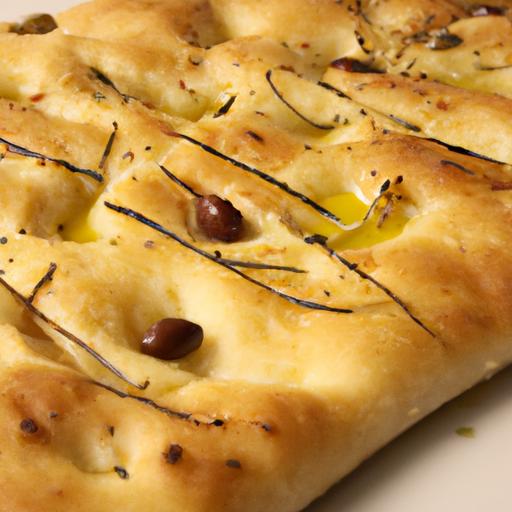



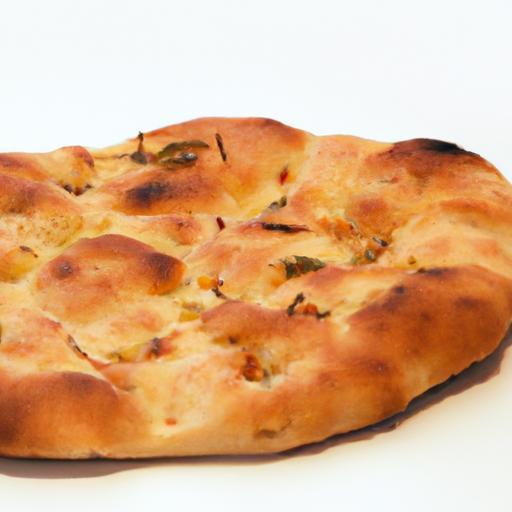
there’s something irresistibly enchanting about the smell of freshly baked focaccia wafting through a warm kitchen-a true taste of Italy that speaks to tradition, simplicity, and rustic charm. This golden, olive oil-kissed bread with its pillowy texture and delightful crisp crust is more than just a side dish; it’s a beloved staple that evokes the heart of Italian home cooking. Whether you’re an aspiring baker or simply a lover of authentic flavors, mastering the art of homemade focaccia opens the door to a culinary journey steeped in history and love. Join us as we dive into an authentic Italian recipe that will guide you step-by-step to baking your own perfect focaccia, right from your very own oven. Mangia!
Bake Authentic italian focaccia is a culinary journey that begins with selecting the finest ingredients. To capture the true essence of this beloved Italian flatbread, choosing the perfect flour and extra virgin olive oil is paramount. these two components are the backbone of texture and flavor, elevating your focaccia from simple bread to an artisanal masterpiece.
Choosing the Perfect Flour and Olive Oil for True Italian Flavor
For an authentic soft and airy focaccia,the flour must have the right protein content – typically a Type 00 Italian flour,known for its finely milled texture and moderate protein (11-12%),is ideal. This flour creates a tender crumb with just enough gluten strength to allow your dough to rise beautifully without toughness. If unavailable, a high-quality bread flour with similar protein content will suffice.
Olive oil is not just a grease but a vital flavor carrier. Select a fresh, fruity extra virgin olive oil from Italy-preferably Ligurian or Tuscan-to add that peppery, grassy note quintessential to focaccia. This oil not only enriches the dough but also crisps the crust and infuses every bite with Mediterranean sunshine.
Mastering the Art of Dough Preparation for Soft and Airy Focaccia
Achieving a cloud-like focaccia requires a careful balance of time, temperature, and gentle handling. Start with lukewarm water to activate yeast without killing it, and allow the dough to rise slowly – a cold ferment overnight in the refrigerator can intensify flavor and improve texture dramatically.Stretching and folding the dough mid-proof helps create those signature air pockets. Remember, patience is your best ingredient!
Expert techniques for Achieving a Crispy Golden Crust Every Time
When it’s time to bake, coat your baking sheet generously with olive oil to encourage a crisp exterior. Before sliding it in the oven, dimple the dough deeply with your fingertips-this traps the oil in little pockets that caramelize perfectly. bake at a high temperature, typically around 220°C (425°F), until the focaccia turns a golden bronze, with a subtle crunch that contrasts the pillowy inside.
Topping Traditions and Modern Twists to Elevate Your Focaccia Experience
Traditionally, focaccia is adorned simply with sea salt and rosemary-think fresh, aromatic, and shining. But don’t shy away from creative variations such as thinly sliced cherry tomatoes and red onions, kalamata olives, or even caramelized fennel. Drizzle with more olive oil right out of the oven and finish with a sprinkle of flaky sea salt or fresh herbs for an irresistible finish.
Prep and Cook Time
- Preparation: 20 minutes
- First Rise: 1 – 1.5 hours (or overnight in fridge)
- Second Rise: 30 minutes
- Baking: 20-25 minutes
- Total Time: Approximately 2-3 hours (plus overnight if desired)
Yield
One 9×13-inch focaccia,serving 6-8 people
Difficulty Level
Medium – requires basic dough handling skills with some patience for rising
ingredients
- 500g Type 00 Italian flour (or bread flour),sifted
- 350 ml lukewarm water (about 100°F/38°C)
- 10g fine sea salt
- 7g active dry yeast
- 60 ml extra virgin olive oil,plus extra for drizzling and pan
- 1 tbsp fresh rosemary leaves (optional)
- Coarse sea salt for topping
Instructions
- Activate the yeast: Combine the lukewarm water with yeast and 1 teaspoon sugar in a small bowl. Let it sit for 5-10 minutes until frothy.
- Mix the dough: In a large bowl, whisk together flour and salt. Create a well in the center and pour in the yeast mixture and 30 ml olive oil.Stir with a wooden spoon until a shaggy dough forms.
- Knead: Turn the dough onto a floured surface and knead for about 8-10 minutes until smooth and slightly elastic. The dough should be soft but not sticky.
- First rise: Lightly oil a large bowl, place the dough in it, turning to coat all sides with oil.Cover with a damp cloth or plastic wrap. Let it rise in a warm spot until doubled in size, about 1-1.5 hours (or refrigerate overnight for enhanced flavor).
- Prepare the pan: Generously oil a 9×13-inch baking pan with remaining olive oil.
- Shape and second rise: Transfer the dough to the pan, gently stretch and press it to fit the pan’s edges. Cover loosely and let rise another 30 minutes until puffy.
- Dimple the dough: Using your fingertips, press deep dimples all over the surface, making sure not to tear the dough. Drizzle generously with olive oil and sprinkle rosemary and coarse sea salt evenly.
- Bake: Preheat oven to 220°C (425°F). Bake focaccia on the middle rack for 20-25 minutes until golden and crisp on top.
- Finish: Remove from oven. Let cool slightly before cutting into squares. Drizzle with more olive oil if desired.
Chef’s Notes
- For a gluten-free option, substitute Type 00 flour with a gluten-free bread blend, but expect a different texture.
- The overnight cold ferment develops a richer flavor and creates a more complex aroma.
- If dough sticks during kneading, add a touch more flour but avoid over-kneading to keep it tender.
- Leftover focaccia is excellent toasted and enjoyed with olive oil or layered with fresh mozzarella and tomatoes.
Serving Suggestions
Serve warm focaccia as an accompaniment to soups, salads, or grilled meats. For a classic pairing, offer alongside a bright tomato bruschetta or creamy burrata cheese. Garnish with fresh basil leaves or a sprinkle of flaky Maldon sea salt for that elegant touch. A glass of chilled Vermentino or a robust Chianti elevates the entire experience to true Italian indulgence.

| Nutrient | Per Serving (1/8 focaccia) |
|---|---|
| calories | 280 kcal |
| Protein | 7g |
| Carbohydrates | 38g |
| Fat | 10g |
For more inspiration on baking Italian breads, check out our complete Italian bread recipes collection. To learn about the benefits of using high-quality olive oil, visit International Olive Council.
Q&A
Q&A: Bake Authentic Italian Focaccia – A Homemade Recipe from Italy!
Q: What makes Italian focaccia so special compared to other breads?
A: Italian focaccia is a soulful symphony of simple ingredients-flour, water, olive oil, salt, and yeast-that come together to create a bread that’s crispy on the outside, pillowy soft on the inside, and infused with the fragrant aroma of olive oil and fresh herbs. Unlike basic flatbreads, focaccia is like a warm Italian hug, its golden crust dotted with dimples that hold pools of herby oil and sea salt, making every bite a little celebration.
Q: Can I make authentic focaccia at home without fancy equipment?
A: Absolutely! The beauty of focaccia lies in its rustic simplicity. You don’t need a professional oven or a bread machine-just a mixing bowl, a baking sheet, and a little patience. The key is letting the dough rest and rise properly to develop that signature airy texture. And don’t be shy with the olive oil; it’s the magic ingredient that transforms basic dough into a golden masterpiece.
Q: What type of flour should I use for the best focaccia?
A: Traditionally, Italian bakers use high-protein “00” flour, which yields a tender crumb and delicate texture. If you can’t find it, all-purpose flour works perfectly fine. For a bit more chew and flavor, you might experiment with bread flour or even a blend. The goal is a dough that’s elastic and moist, ready to rise beautifully.
Q: how do I achieve those classic dimples on top of my focaccia?
A: After the dough has risen and is spread out on the baking sheet, gently press your fingertips into the surface, creating little craters. These dimples are more than decorative-they trap olive oil and toppings, locking in moisture and flavor. Don’t worry if your fingers get oily; it’s all part of the Italian focaccia ritual!
Q: What toppings can I use to make my focaccia deliciously authentic?
A: The sky’s the limit, but some beloved Italian classics include fresh rosemary sprigs, flaky sea salt, thinly sliced onions, cherry tomatoes, olives, or even chunks of garlic. Keep it simple-the toppings should complement, not overwhelm. Drizzle generously with extra virgin olive oil before baking for that irresistible golden crust.Q: How do I store leftover focaccia to keep it fresh?
A: Focaccia is best enjoyed fresh and warm, but if you have leftovers, wrap them tightly in plastic wrap or keep in an airtight container. For the freshest taste, reheat slices in a hot oven for a few minutes to restore crispness. It’s perfect for next-day sandwiches or as a snack dipped in olive oil and balsamic vinegar.Q: What’s the secret to the perfect olive oil flavor in focaccia?
A: Use a high-quality extra virgin olive oil with a fruity, peppery character-it makes all the difference. Generously brushing the dough before and after baking floods the bread with rich,savory notes. Remember, in Italy, good olive oil is treasured like gold, and it’s what turns humble focaccia into a taste of the mediterranean sun.
Q: Is focaccia gluten-free or can it be made gluten-free?
A: Traditional focaccia is made with wheat flour and contains gluten. Though, with the rise of option flours and gluten-free baking aids, you can experiment with gluten-free blends designed for bread. Just note that the texture may differ from the classic airy softness, but with some tweaking, you can still enjoy a flavorful gluten-free version at home.
Q: Any tips for beginners trying focaccia for the first time?
A: Dive in with confidence and embrace the messy, hands-on nature of focaccia making. Don’t rush the rising phases-they’re crucial for that signature fluffiness. Keep your dough hydrated and don’t skimp on olive oil. And most importantly, savor the process-like all great Italian food, it’s as much about the journey as the destination. Buon appetito!
Closing Remarks
As the warm, golden crust of your homemade focaccia emerges from the oven, you’re not just baking bread-you’re capturing a slice of Italian heritage. This simple yet soulful recipe invites you to bring a taste of Italy into your kitchen, infusing your table with the aroma of rosemary, olive oil, and tradition. Whether enjoyed fresh as a snack, served alongside your favorite meal, or shared with loved ones, authentic focaccia is more than just food-it’s a flavorful journey rooted in history and crafted with love. So, roll up your sleeves, embrace the process, and let each bite transport you straight to the sun-kissed hills of Italy. buon appetito!