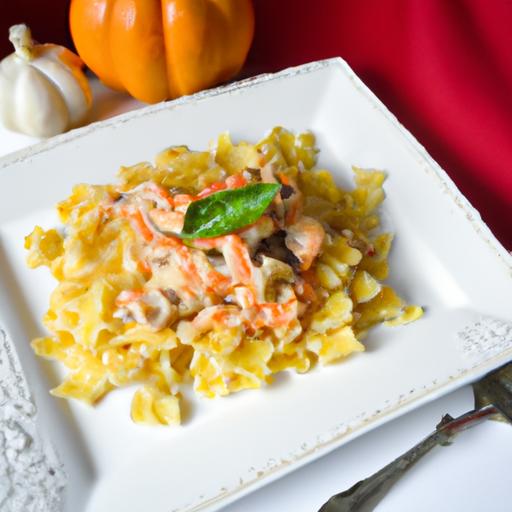



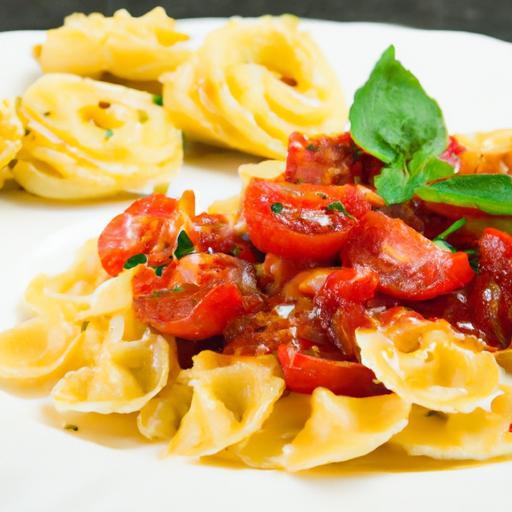
There’s something undeniably magical about italian pasta-a humble blend of flour, water, and a touch of tradition that transforms into a feast for the senses. It’s more then just a dish; it’s a story passed down through generations, a party of regional flavors, and a testament to the art of simplicity done spectacularly well. In this journey through authentic Italian pasta recipes, we invite you to step into the heart of Italy’s culinary heritage, where each twist of spaghetti and every ribbon of tagliatelle carries with it the warmth of a family kitchen and the whispers of centuries-old techniques. Prepare to bring tradition to your plate,one appetizing bite at a time.
Authentic Italian Pasta Recipes: Tradition on Your Plate unlocks the soul of Italy’s diverse regions, revealing the art behind pasta that sings with unique local flavors. From the sun-drenched coasts of Naples, where simple tomato and basil elevate each bite, to the rich, creamy ragù of Emilia-Romagna’s rolling hills, every dish tells a story crafted by centuries of tradition. As you embark on this culinary journey, you’ll discover how selecting the ideal pasta shape can transform a humble sauce into a masterpiece, and learn the secrets of making pasta dough at home that rivals any Italian nonna’s.
Prep and Cook Time
- Planning: 30 minutes
- Resting (dough): 1 hour
- Cooking: 15 minutes
- Total Time: Approximately 1 hour 45 minutes
Yield
Serves 4 hearty portions
Difficulty Level
Medium – perfect for adventurous home cooks ready to elevate their pasta game
Ingredients
- 2 cups all-purpose flour, sifted
- 3 large eggs, room temperature
- 1 tablespoon extra virgin olive oil
- 1 teaspoon fine sea salt
- Flour for dusting and kneading
- For classic Neapolitan sauce: 1 can (14 oz) San Marzano tomatoes, crushed
- 2 cloves garlic, minced
- 1 tablespoon fresh basil, torn
- Salt and pepper, to taste
- For Emilia-Romagna ragù: 1/2 lb ground beef and pork mix
- 1 small onion, finely diced
- 1 carrot, finely diced
- 1 celery stalk, finely diced
- 1/2 cup dry white wine
- 1 cup whole milk
- Olive oil, as needed
Instructions
- Prepare the pasta dough: On a clean surface, mound the sifted flour and create a well in the center. Crack the eggs into the well, add olive oil and salt.Using a fork,gently beat the eggs,gradually incorporating flour from the edges.
- knead the dough: Once combined, knead the dough with your hands for 8-10 minutes until smooth and elastic. If sticky, dust lightly with flour. Wrap in plastic and let rest for 1 hour at room temperature.
- Roll and cut the pasta: Using a rolling pin or pasta machine, roll the dough into thin sheets (about 1mm thick). Cut into desired shapes: long ribbons for ragù or small squares for Neapolitan sauce.
- cook the pasta: Bring a large pot of salted water to a rolling boil. Add pasta and cook for 2-4 minutes until al dente. Fresh pasta cooks quickly - watch carefully to avoid overcooking.
- Make the Neapolitan sauce: In a skillet, heat olive oil over medium heat. Sauté garlic until fragrant but not browned (~1 minute). Add crushed San Marzano tomatoes,season with salt and pepper. Simmer gently for 15 minutes, stirring occasionally. Stir in fresh basil at the end.
- Prepare the ragù from Emilia-Romagna: Warm olive oil in a pan; add onion, carrot, celery, and cook until soft. Add ground meat, sauté for 5 minutes until browned. Pour in white wine and reduce by half. Slowly add milk and simmer on low for about 45 minutes, stirring frequently.
- Toss and serve: Drain pasta and promptly combine with your chosen sauce. Serve hot, garnished with freshly grated Parmigiano-Reggiano and a drizzle of extra virgin olive oil.
tips for Success
- Fresh is best: Always use fresh eggs and top-quality flour for silkier dough and better flavor.
- Dough texture: The dough should be pliable but not sticky. If too dry, add a teaspoon of water; if too sticky, dust with flour sparingly.
- Shape matching: Thick sauces like ragù cling perfectly to wide ribbons like tagliatelle, while lighter sauces such as Neapolitan tomato marry well with small shapes like paccheri or penne.
- Make-ahead: Rest fresh pasta dough can be refrigerated for up to 24 hours, wrapped tightly to prevent drying.
- Experiment: Try incorporating herbs or spinach into your dough for color and subtle flavor shifts.
Serving Suggestions
For an authentic Italian feast, plate your pasta with a sprinkle of freshly cracked black pepper and scattered basil leaves. Accompany with crusty bread brushed with garlic-infused olive oil and a chilled glass of crisp Italian white wine like verdicchio. A side of lightly dressed arugula salad brightens the meal with peppery freshness.

| Nutrient | Per Serving |
|---|---|
| Calories | 520 kcal |
| Protein | 22 g |
| Carbohydrates | 65 g |
| Fat | 15 g |
For more regional Italian sauces and pasta pairings, explore our guide on Regional Italian Pasta and Sauce Pairings. Dive deeper into the history of true San Marzano tomatoes at the San Marzano Consortium official site.
Q&A
Q&A: Authentic Italian Pasta Recipes - Tradition on Your Plate
Q1: What makes a pasta recipe truly authentic Italian?
A: Authentic Italian pasta recipes are rooted in simplicity and quality. They emphasize a few fresh, high-quality ingredients combined with conventional techniques passed down through generations.Unlike overly complex dishes, authenticity shines through balance – the perfect al dente bite, a sauce made from scratch, and respect for regional ingredient pairings.
Q2: How important is the type of pasta in these traditional recipes?
A: The type of pasta is crucial in authentic recipes becuase each shape is designed to hold sauce differently or cater to a specific region’s produce and style. For example, delicate strands like spaghetti pair beautifully with smooth tomato sauces, while ridged pasta like rigatoni captures chunkier ragùs.Using the right pasta elevates the dish from good to genuine.
Q3: Can I replicate authentic italian pasta recipes with ingredients I find at a regular grocery store?
A: Absolutely! While some specialty ingredients add an extra layer of authenticity – like extra virgin olive oil from Liguria or San Marzano tomatoes - many authentic pasta dishes rely on pantry staples: flour, eggs, fresh herbs, garlic, and olive oil. The key is sourcing fresh produce and quality ingredients wherever you shop, and preparing your pasta and sauce by hand whenever possible.
Q4: What are some classic pasta dishes that bring authentic Italian tradition to the table?
A: Classics like Spaghetti alla Carbonara from Rome, Tagliatelle al Ragu (Bolognese) from Emilia-Romagna, Pesto alla Genovese from Liguria, and Orecchiette with broccoli rabe from Puglia are all shining examples.Each recipe is a story of place, history, and family - capturing Italy’s diverse culinary identity in a single plate.
Q5: How can home cooks honor Italian traditions while experimenting with flavors?
A: The secret is to embrace the foundational techniques and respect for ingredients first-master the basics of pasta making, sauce preparation, and seasoning. Then, feel free to adapt seasonally or regionally: incorporate local vegetables, try different herbs, or blend olive oils. Innovation blossoms best when rooted in tradition.
Q6: What role does pasta making by hand play in Italian culinary culture?
A: Hand-making pasta is a ritual of love and patience, central to Italian life.It’s a tactile connection to the land and heritage,turning simple dough into art. The texture and taste difference are palpable-hand-rolled pasta absorbs sauces better and provides an unmatched eating experience. Plus, it’s a joyous tradition that brings families and friends together.
Q7: Can you share a tip for achieving the perfect al dente pasta?
A: Timing and tasting are everything. Cook the pasta in generously salted boiling water, and test a piece a minute or two before the package suggests. It should be tender but still offer slight resistance when bitten-this “to the tooth” texture is what Italians mean by al dente. Drain quickly and toss immediately with your sauce to finish cooking perfectly.
Q8: why is simplicity often emphasized in authentic Italian pasta recipes?
A: Italian cuisine celebrates the beauty of restraint. Simple recipes highlight each ingredient’s character instead of masking it with richness or complexity.This minimalism demands high-quality components and respect for tradition-making every bite vibrant, balanced, and memorable.
Bringing authentic Italian pasta to your plate means more than just cooking - it’s participating in a centuries-old celebration of flavor,family,and culture. Buon appetito!
To Conclude
As the aromas of simmering tomatoes and freshly cracked pepper linger in the air, it becomes clear that authentic Italian pasta is more than just a meal-it’s a celebration of heritage, passion, and simplicity. bringing these time-honored recipes from Italy’s sun-soaked countryside to your own kitchen invites you to savor the true essence of la dolce vita. So, whether twirling strands of spaghetti or folding delicate ravioli, remember that each bite carries the story of generations, handcrafted with love and devotion. Embrace these traditions on your plate, and let every forkful transport you to the heart of Italy’s culinary soul. Buon appetito!