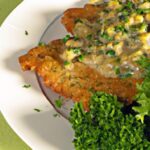



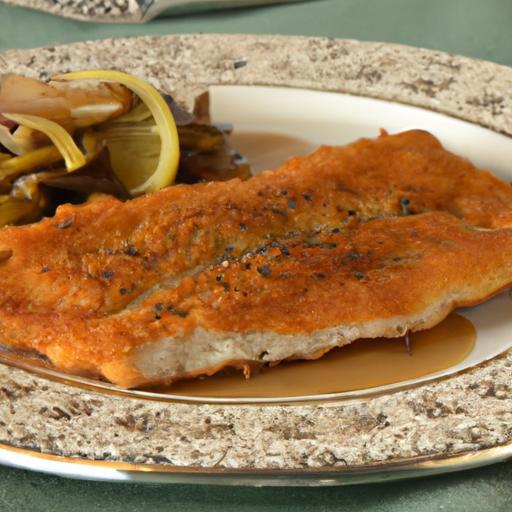
Crisp, golden, and irresistibly savory-few dishes embody comfort and tradition quite like the classic German Schnitzel.Yet, for many home cooks, recreating this iconic delicacy can feel daunting, a culinary mystery wrapped in breadcrumbs. Fear not! In this step-by-step guide, we peel back the layers of technique and ingredients to reveal the secrets of authentic German Schnitzel, made simple and approachable.Whether your a seasoned chef or a kitchen novice, prepare to embark on a flavorful journey that brings the heart of Germany right to your plate. Let’s turn everyday ingredients into a masterpiece that’s tender on the inside, satisfyingly crunchy on the outside, and full of heritage in every bite.
Authentic German Schnitzel Made Simple: A step-by-Step Guide begins with selecting the perfect cut, essential for achieving that tender, juicy base every schnitzel lover craves. Tradition calls for veal, but pork or chicken cuts can equally shine when prepared with care.This guide ensures your schnitzel is nothing short of superb – crisp, golden, and irresistibly flavorful.
Choosing the Perfect Cut for Traditional Schnitzel Excellence
At the heart of Authentic german schnitzel Made Simple lies the choice of meat. The classic Wiener Schnitzel uses thinly pounded veal-ideally from the veal leg (top round or sirloin) for its perfect tenderness and mild flavour. For a more budget-amiable yet appetizing version, boneless pork loin or tender chicken breast are excellent alternatives.
Key to schnitzel perfection is cutting your meat into thin, even slices, about 1/4 inch thick. Using a meat mallet or rolling pin, gently pound each piece to uniform thinness. This encourages speedy, even cooking and results in a delicate texture that melts on your tongue.
Mastering the Art of Breadcrumb Breading for Crispy Perfection
The breadcrumb coating defines schnitzel’s signature crunch. For Authentic German Schnitzel Made Simple, use fresh, day-old white bread crumbs for light, airy crispness.Avoid overly fine or seasoned crumbs; the beauty is in simplicity. if you don’t have fresh bread crumbs, panko is a great modern substitute providing an enticing crunch.
Three bowls are your breading station essentials: flour seasoned lightly with salt and pepper,beaten eggs with a touch of milk,and the breadcrumbs. For best adhesion, fully coat the meat first in flour, then dip in egg wash, and finally press into breadcrumbs, ensuring an even layer without clumps. Resist pressing too hard-looser crumbs fry crispier.
Essential tips for Achieving the Ideal Golden Fry
Crucial to Authentic German Schnitzel Made Simple’s delicate appearance and texture is frying technique. Use a generous amount of clarified butter or a mix of butter and neutral oil-this provides a nutty flavor and a high frying temperature without burning. Heat the fat to 350°F (175°C); too cool and the schnitzel absorbs oil,too hot and the crust burns before cooking through.
Fry each schnitzel for about 2-3 minutes per side, until golden brown and crisp. Drain on paper towels, but avoid stacking to preserve the crunch. Serve promptly for best texture. A little lemon juice squeezed just before eating brightens the flavors beautifully.
Serving Suggestions and Classic Accompaniments to Elevate Your Schnitzel Experience
True to tradition,pair your schnitzel with warm German potato salad or classic spaetzle noodles for a comforting combination.A crisp green salad with a light vinaigrette or a side of buttered peas adds refreshing contrast.Garnish with thin lemon wedges and a sprinkle of freshly chopped flat-leaf parsley for vibrant color and aroma.
For an elevated touch, serve with a tangy cranberry or lingonberry sauce alongside grainy mustard. This adds a subtle sweetness and depth that balances the savory crust and tender meat.
prep and Cook Time
- Preparation: 20 minutes
- Cooking: 10 minutes
- Total Time: 30 minutes
Yield
Serves 4 generously
Difficulty Level
Easy to Medium – perfect for home chefs ready to bring a taste of Germany to their table
Ingredients
- 4 veal cutlets (or substitute pork loin or chicken breast), about 5 oz each
- 1 cup all-purpose flour, sifted
- 2 large eggs, beaten with 2 tbsp milk
- 2 cups fresh white bread crumbs (or panko)
- Salt and pepper, to taste
- 1 cup clarified butter or a mix of 1/2 cup butter + 1/2 cup vegetable oil
- 1 lemon, cut into wedges
- Fresh parsley, chopped for garnish
Instructions
- Prepare the cutlets: Trim any excess fat and place each piece between two sheets of plastic wrap. Pound gently to an even thickness of 1/4 inch using a meat mallet.
- Season: Lightly season both sides with salt and freshly ground black pepper.
- Set up your breading station: Arrange flour in one shallow dish,beaten egg and milk in a second,and bread crumbs in a third.
- Bread the cutlets: Dredge each piece first in flour, shaking off the excess. Then dip in egg wash, allowing excess to drip off. press lightly into the bread crumbs, coating evenly but loosely.
- Heat the fat: In a large skillet,warm the clarified butter or butter-oil blend over medium-high heat until shimmering and about 350°F (175°C).
- Fry the schnitzels: Add cutlets one at a time without crowding, frying 2-3 minutes per side until beautifully golden and crisp. Adjust heat as necessary to avoid burning.
- Drain: Remove from skillet and transfer to a wire rack or paper towels to drain excess fat.
- Serve immediately: Squeeze fresh lemon over schnitzels and garnish with chopped parsley.
Tips for Success
- Meat variations: For a more intense flavor, marinate pork or chicken briefly in a little mustard and garlic.
- Breading technique: Use fresh breadcrumbs for traditional lightness, but panko offers extra crunch if preferred.
- Making ahead: Bread the schnitzels and refrigerate for up to 24 hours before frying to save prep time.
- Temperature control: Use a thermometer to maintain consistent frying heat and prevent greasy crusts.
Nutritional Details
| Per Serving | Calories | Protein | Carbs | Fat |
|---|---|---|---|---|
| 1 schnitzel | 420 kcal | 35 g | 18 g | 22 g |
Try this classic German potato salad to complement your schnitzel perfectly. For more on traditional ingredients and culinary history, visit Encyclopaedia Britannica’s Wiener Schnitzel page.

Q&A
Q&A: Authentic German Schnitzel Made Simple – Your Step-by-Step Guide
Q1: What exactly is German schnitzel?
A1: German schnitzel is a classic dish featuring a thin slice of meat-traditionally veal-coated in a crispy breadcrumb crust and fried to golden perfection. It’s simple, hearty, and a beloved staple in German cuisine.
Q2: Can I use meats other than veal for schnitzel?
A2: Absolutely! While the original Wiener Schnitzel calls for veal, chicken and pork are common and popular alternatives, especially in home kitchens. Just ensure your meat is pounded thin for that signature tenderness and quick cooking.
Q3: What’s the secret to the perfect crispy crust?
A3: The golden crust comes from a classic three-step coating: first dredge the meat in seasoned flour, then dip it in beaten egg, and finally press it into fresh breadcrumbs. Using day-old breadcrumbs or panko can add an extra crunch!
Q4: How thin should the meat be?
A4: Aim for about 1/8 inch (3 mm) thickness. thin slices cook quickly and evenly, ensuring a juicy interior wrapped in a crisp shell.
Q5: What kind of fat is best for frying schnitzel?
A5: Traditionally, schnitzel is fried in clarified butter or a neutral oil with a high smoke point. clarified butter adds authentic flavor, but vegetable oil or sunflower oil works well and keeps the crust light and crisp.
Q6: How do I know when the schnitzel is perfectly cooked?
A6: The schnitzel should be golden brown on both sides, taking about 2-3 minutes per side over medium-high heat. The interior meat should be tender and fully cooked but still juicy.
Q7: What sides should I serve with authentic schnitzel?
A7: Classic accompaniments include lemon wedges, lingonberry jam, potato salad, or simple boiled potatoes with parsley. A crisp green salad or cucumber salad pairs beautifully for a refreshing balance.
Q8: Can I make schnitzel ahead of time?
A8: For best texture, serve schnitzel fresh.Though, you can bread the meat in advance and refrigerate for a few hours. Fry just before serving to preserve that irresistible crunch.
Q9: Any tips for making schnitzel kid-friendly?
A9: Kids love schnitzel’s crispy texture! Serve with mild sides like mashed potatoes or steamed veggies, and maybe turn it into “schnitzel fingers” by cutting it into strips for easy dipping.
Q10: What’s the best way to serve schnitzel for an authentic German experience?
A10: Present your schnitzel with all the traditional fixings-lemon wedges to squeeze over, a dollop of lingonberry jam on the side, and a cold German beer or apple spritzer to wash it all down. Guten Appetit!
This Q&A unpacks schnitzel’s charm and simplifies each stage, giving you the confidence to whip up this iconic German dish in your own kitchen. Ready your meat, breadcrumbs, and appetite!
The Conclusion
With the crisp golden crust and tender, juicy interior of an authentic German schnitzel now well within your grasp, you’re ready to bring a beloved classic from the heart of Bavaria straight to your own kitchen. This step-by-step guide has peeled back the layers of tradition, technique, and taste to make schnitzel approachable without sacrificing its soul. So, the next time you hear the sizzle of butter in your pan, remember: you’re not just cooking-you’re continuing a culinary story centuries in the making. Guten Appetit, and may your schnitzel always be perfectly simple and authentically delicious.