


There’s something irresistibly warm and inviting about a fresh slice of focaccia – its golden crust, the aromatic kiss of rosemary, the tender crumb that melts in your mouth.But not all focaccias are created equal. To truly savor the essence of this Italian delight, you need more than just a recipe; you need a journey back to the rustic kitchens of Liguria, where tradition meets simplicity in every bite. In this article,we’ll uncover the secrets behind making authentic Italian focaccia,guiding you step-by-step through a time-honored recipe that brings the real taste of Italy right into your home. Get ready to roll up your sleeves, embrace the art of dough, and discover why focaccia isn’t just bread - it’s a heartfelt Italian experience.
Discover the real Taste: Authentic Italian Focaccia Recipe! invites you on a appetizing journey through Italy’s rustic culinary heritage. This beloved flatbread,rich with centuries of tradition,is more than just a bread-it’s a symbol of sharing,gathering,and regional pride. Originating from Liguria, where rugged coastlines inspire simple, soulful food, focaccia embodies the essence of Italian comfort food: crispy on the outside, pillowy inside, and fragrantly infused with olive oil and herbs. My personal adventure with focaccia began during a family trip to genoa, where a warm slice, still steaming from the oven, transformed every bite into a moment of sheer bliss. This recipe captures that authentic flavor with precision,making it easy and delightful to recreate in your kitchen.
prep and Cook Time
- Readiness: 20 minutes
- Rising Time: 1 hour 30 minutes
- baking Time: 20-25 minutes
- Total Time: Approximately 2 hours 15 minutes
Yield
Serves 6-8 people as an appetizer or side
Difficulty Level
Medium – perfect for home bakers eager to refine dough techniques and create a truly authentic texture
Ingredients
- 4 cups all-purpose flour, sifted
- 1 ½ cups warm water (105°F/40°C)
- 2 tsp active dry yeast
- 1 tbsp granulated sugar
- 1 tbsp fine sea salt
- ½ cup extra virgin olive oil, divided
- 1 tbsp fresh rosemary, finely chopped
- Coarse sea salt for sprinkling
step by Step Guide to Achieving the Ideal Texture and Crust
- Activate the yeast: In a bowl, mix the warm water, sugar, and yeast. Let it sit for 10 minutes until foaming; this signals the yeast is alive and ready.
- Combine dry ingredients: In a large mixing bowl, whisk together the flour and sea salt to ensure even distribution.
- Mix the dough: Gradually pour the yeast mixture and ¼ cup of olive oil into the flour while stirring with a wooden spoon. When it comes together, knead the dough on a lightly floured surface for about 10 minutes until smooth and elastic.
- Let it rest: Place the dough in a large, greased bowl, cover with a damp cloth, and allow it to rise in a warm place for 1 hour, or until doubled in size.
- Prepare the pan: Drizzle the remaining ¼ cup olive oil generously in a baking sheet (approximate size: 12×17 inches). Transfer the dough into the pan, stretching it with your fingers to fill the space evenly.
- create the dimples: Using your fingertips, press deep indentations all over the surface of the dough. This rustic technique allows the oil and toppings to seep in beautifully.
- Add rosemary and salt: Sprinkle chopped rosemary and a pinch of coarse sea salt evenly on top. Let the dough rest another 20 minutes for a secondary rise.
- Bake to perfection: Preheat your oven to 450°F (230°C). Bake the focaccia for 20-25 minutes until the crust is golden brown and the texture is light yet crisp.
- Finish and serve: Upon removing from the oven, brush with a little more olive oil for that irresistible glossy finish.
Expert Tips for Customizing Your Focaccia with Traditional Toppings
While rosemary and sea salt are classic, the beauty of focaccia lies in its versatility. Try these inspired traditional toppings to elevate your loaf:
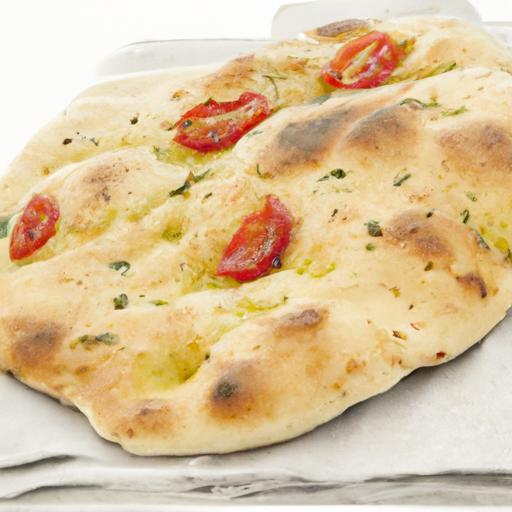
- cherry tomatoes and olives: Press halved cherry tomatoes and pitted black olives into the dough before baking for bursts of natural sweetness and briny depth.
- Caramelized onions and sage: Top with thinly sliced, slow-cooked onions and fresh sage leaves for an earthy, aromatic twist.
- Coarse sea salt and cracked black pepper: For a minimalist, sharp flavor highlight, just dust generously.
- Grated Parmesan: Sprinkle on right after baking to add a nutty, savory crunch.
chef’s Notes
- Flour selection: Using “00” Italian flour can enhance texture, but all-purpose works beautifully for beginners.
- Hydration level: A higher water content creates an airier crumb. If the dough feels too sticky, add flour sparingly.
- Olive oil quality: Invest in a robust extra virgin olive oil-this is where much of the focaccia’s flavor comes alive.
- make-ahead: Dough can be refrigerated overnight after the first rise; just bring it to room temperature before shaping.
- Oven variations: Place a shallow pan of water on the oven floor during baking for extra steam and a softer crust.
Serving Suggestions
Serve your focaccia warm, paired with antipasti like marinated artichokes, prosciutto, or a fresh mixed olive bowl.A drizzle of balsamic glaze adds a tangy contrast. For casual meals,tear into rustic chunks and enjoy with a glass of crisp Italian white wine,such as Vermentino or Pinot grigio. garnish with fresh herbs like basil or rosemary sprigs for a vibrant, fragrant presentation.
| Nutrient | Per Serving (Approx.) |
|---|---|
| Calories | 320 kcal |
| Protein | 7 g |
| carbohydrates | 38 g |
| Fat | 14 g |

For those eager to explore more, check out our Complete Guide to Italian breads, and for fascinating history about Ligurian cuisine, visit Britannica’s Focaccia Brief.
Q&A
Q&A: Discover the Real Taste: Authentic Italian Focaccia Recipe!
Q1: What makes Italian focaccia different from other breads?
A1: Italian focaccia is a beautiful blend of simplicity and flavor. Unlike regular bread, focaccia boasts a golden, crispy crust with a soft, airy inside, all infused with olive oil and sea salt. Its dimpled surface isn’t just decorative-it locks in moisture and lets the olive oil seep deep, creating that signature luscious taste.
Q2: Why is olive oil so meaningful in an authentic focaccia recipe?
A2: Olive oil is the heartbeat of focaccia. It isn’t just an ingredient; it’s a flavor powerhouse. Rich, fruity, and peppery, high-quality extra virgin olive oil gives focaccia its signature aroma and moist crumb. Plus, it helps in creating that irresistible golden crust that makes each bite a sensory delight.
Q3: Can I add toppings to the traditional focaccia,or should it be enjoyed plain?
A3: While traditional focaccia is often simply sprinkled with sea salt and rosemary,the beauty of this bread lies in its versatility. Think sun-dried tomatoes, caramelized onions, olives, or fresh herbs-each topping introduces a new dimension, inviting you to explore Italian flavors from Liguria to your kitchen!
Q4: How long does it take to prepare authentic focaccia?
A4: Patience is part of the recipe’s charm! Authentic focaccia requires time for the dough to rise properly-usually 1.5 to 2 hours, and sometimes a second proof after shaping. But don’t let the wait deter you; the hands-on time is minimal, and the reward is an undeniably delicious, fresh-from-the-oven masterpiece.
Q5: What’s the best way to serve focaccia?
A5: Focaccia shines as a snack, side dish, or even a base for sandwiches.Serve it warm with a drizzle of olive oil, alongside a bowl of soup, or paired with Italian cheeses and cured meats. Its inviting texture and rich flavor make it a crowd-pleaser at any table!
Q6: Is focaccia suitable for beginners in baking?
A6: Absolutely! Focaccia is wonderfully forgiving. With a few simple ingredients and a little love, even novice bakers can achieve a golden, fluffy focaccia. Plus, the dough’s sticky nature and lack of complex shaping reduces stress, making it the perfect ”easy yet impressive” bake.
Q7: Can this recipe be adapted for gluten-free diets?
A7: While traditional focaccia relies on wheat flour for its structure and chew, gluten-free versions are possible using specialized flour blends. Though, the texture and rise will differ slightly. For the closest experience, attempt a gluten-free focaccia with a trusted gluten-free baking mix and don’t forget the olive oil-it’s the authentic taste you want to preserve!
Q8: What’s the secret tip for authentic flavor in homemade focaccia?
A8: the secret lies in the details: generous olive oil, a good sprinkle of coarse sea salt, fresh rosemary sprigs, and those signature dough dimples pressed in just before baking. These small steps awaken the dough’s soul, turning simple ingredients into a mouthwatering Italian tradition.
Ready to roll up your sleeves and bake your own slice of Italy? Follow the authentic focaccia recipe,and you’ll soon discover the real taste that’s been loved for centuries! Buon appetito!
Wrapping Up
As you close the chapter on this journey through the art of authentic Italian focaccia,remember that every bite is more than just bread-it’s a centuries-old story of tradition,simplicity,and pure flavor. whether you savor it fresh from the oven or use it as a flavorful canvas for your favorite toppings, making focaccia at home invites you to discover the true taste of Italy’s culinary soul. So roll up your sleeves, embrace the dough, and let each golden, fragrant slice transport you straight to the sun-kissed hills of Genoa. Buon appetito!