

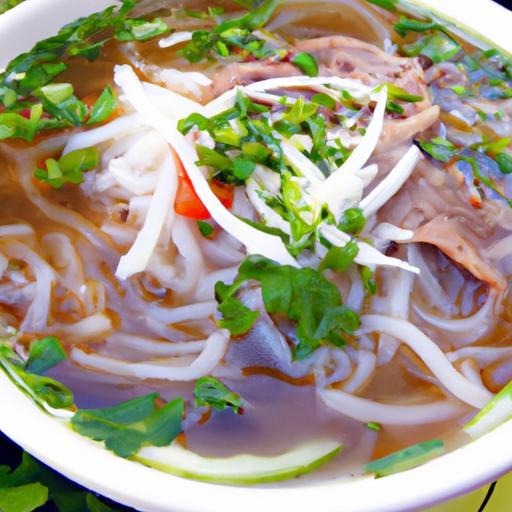
In the aromatic world of Vietnamese cuisine, few dishes captivate the senses quite like pho. This beloved noodle soup, with its fragrant broth, tender slices of meat, and vibrant herbs, is more than just a meal-it’s a cultural treasure steeped in history and tradition. “Pho Perfection: Authentic Vietnamese Noodle recipes Unveiled” invites you on a flavorful journey to uncover the secrets behind crafting pho as it’s meant to be enjoyed. From simmering bone broth to the artful balance of spices and fresh ingredients, this exploration reveals how to achieve that elusive harmony of taste and texture that turns a simple bowl of noodles into an unforgettable experience. Whether you’re a seasoned cook or a curious foodie, prepare to dive deep into the heart of Vietnam’s most iconic dish and bring pho perfection to your own kitchen.
Pho perfection: Authentic Vietnamese Noodle Recipes Unveiled begins with mastering a broth that embodies tradition, warmth, and unforgettable depth. this legendary Vietnamese soup has captivated palates worldwide thanks to its aromatic spices and layered flavors. Creating an impeccable bowl starts with crafting a broth that simmers with complexity, selecting delicate yet resilient noodles, and enhancing with garnishes that deliver bursts of freshness.
Prep and Cook Time
- Readiness: 30 minutes
- Cooking: 6 hours (broth simmering)
- Total Time: 6 hours 30 minutes
Yield
- Serves 6 to 8 hearty bowls
Difficulty Level
- Advanced (due to long-simmer broth development)
Ingredients
- Beef Bones: 5 lbs marrow and knuckle bones,blanched
- Beef Brisket: 1.5 lbs whole brisket
- Onion: 2 large, halved and charred
- Ginger: 5-inch piece, sliced lengthwise and charred
- Cinnamon Sticks: 3 large
- star anise: 5 whole
- Cloves: 4 whole
- Cardamom Pods: 3 crushed
- Coriander Seeds: 1 tablespoon
- Rock Sugar: 1 tablespoon (or granulated sugar)
- fish Sauce: ½ cup (adjust to taste)
- Salt: 1 tablespoon
- Water: 6 quarts
- Rice Noodles (Bánh phở): 1 lb fresh or dried, soaked
- Raw Beef (Eye of Round): 1 lb, thinly sliced
- Bean Sprouts: 2 cups, rinsed
- Fresh Thai Basil: 1 bunch
- Cilantro: ½ cup chopped
- Green Onions: 4, thinly sliced
- Fresh Lime Wedges
- Thinly Sliced Red Chilies
- Hoisin sauce & Sriracha: For serving
Instructions
- Prepare the bones: Blanch beef bones in boiling water for 10 minutes to remove impurities.Discard water and rinse bones thoroughly under cold water to ensure a clear broth.
- Char aromatics: Using an open flame or broiler, char onion halves and ginger slices until blackened spots form – this adds smoky depth. Set aside.
- Toast spices: In a dry skillet, toast cinnamon, star anise, cloves, cardamom, and coriander seeds over medium heat until fragrant-about 2-3 minutes-stirring constantly to prevent burning.
- Build the broth base: in a large stockpot, add blanched bones, water, charred onion and ginger, and toasted spices in a spice sachet or cheesecloth. Bring to a boil, then reduce to a bare simmer; skim off any foam or scum every 30 minutes to keep the broth pristine.
- Simmer low and slow: Let the broth simmer gently for 5-6 hours. Add rock sugar, fish sauce, and salt during the last hour to balance the flavors.
- Cook brisket: During the last 1.5 hours of broth simmering, add brisket whole to the pot. Once tender,remove the brisket and slice thinly against the grain for serving.
- Prepare noodles: Soak rice noodles in room-temperature water for 30 minutes if dried, or briefly blanch fresh noodles in hot water until soft but firm. Drain and set aside.
- Strain broth: Remove bones and aromatics, strain broth through a fine sieve for clarity. Keep hot.
- Assemble bowls: Place noodles in each bowl, arrange thinly sliced raw beef and cooked brisket on top, then ladle steaming hot broth to cook the raw beef gently.
- garnish thoughtfully: Serve with plates of bean sprouts, Thai basil, cilantro, sliced green onions, lime wedges, chilies, hoisin sauce, and sriracha for each guest to customize their pho experience.
Tips for Success
- Bone selection: Use a combination of marrow, knuckle, and meaty bones for maximum gelatin and depth.
- Broth clarity: Skimming and blanching are key to a clear, visually stunning broth.
- Spice control: Toast spices gently to avoid bitterness; adjust star anise or cloves quantity if desired.
- Noodle care: Do not over-soak or overcook rice noodles; thay should be tender yet with slight chew.
- Make-ahead option: Broth freezes beautifully and flavors deepen after resting overnight.
Serving Suggestions
For the quintessential pho experience, serve steaming hot bowls on a wooden tray with individual plates of fresh herbs and crunchy bean sprouts. Encourage guests to squeeze fresh lime juice and add a pinch of sliced chilies for brightness and heat. Dip tender brisket slices into hoisin or swirl sriracha into the broth for a spicy kick. A side of crispy spring rolls pairs wonderfully with this soulful soup, providing texture contrast and extended enjoyment.

| Nutrient | Per Serving |
|---|---|
| calories | 450 |
| Protein | 38g |
| Carbohydrates | 45g |
| Fat | 10g |
For more authentic Vietnamese dishes,check out our Vietnamese Spring Rolls Recipe.To deepen your culinary knowledge of Vietnamese cuisine’s history and evolution,explore this National Geographic feature, a trusted resource offering interesting insights.
Q&A
Q&A: Pho Perfection – authentic Vietnamese Noodle Recipes Unveiled
Q1: What makes pho the quintessential Vietnamese comfort food?
A1: Pho is more than just a noodle soup; it’s a fragrant symphony of rich bone broth, tender rice noodles, fresh herbs, and perfectly balanced spices. This iconic dish captures the essence of Vietnamese culinary tradition-simplicity intertwined with layers of deep, satisfying flavors that warm both body and soul.
Q2: How do authentic pho recipes differ from the versions we often find outside Vietnam?
A2: Authentic pho emphasizes a slow-simmered broth, often cooked for 6-12 hours to extract the nuanced flavors of beef or chicken bones, charred aromatics like ginger and onion, and star anise. Outside Vietnam, shortcuts like commercial broth bases or instant noodles sometimes dilute the complexity. True pho is all about patience and precision – that unmistakable clarity and depth in the broth is the hallmark of authenticity.Q3: What are the essential ingredients for crafting an authentic pho broth?
A3: Key players include beef marrow and knuckle bones (for beef pho), a charred onion and ginger duo, star anise, cloves, cinnamon sticks, coriander seeds, and rock sugar. Together, they whisper secrets of warmth and spice, creating a broth that’s light yet profoundly flavorful. Freshness is king-onyl quality ingredients can deliver that harmonious balance.
Q4: Can pho be made authentically with chicken instead of beef?
A4: absolutely! Pho Ga, the chicken variant, is just as revered. It uses a lighter chicken broth, often simmered with ginger, onion, and a similar spice blend.The delicate sweetness of chicken broth offers a gentle alternative without sacrificing authenticity or depth. Garnishing with fresh herbs and crisp vegetables completes the experience.
Q5: What herbs and garnishes elevate pho to perfection?
A5: Fresh Thai basil, cilantro, sawtooth coriander, bean sprouts, sliced chili, lime wedges, and thinly sliced green onions bring vibrancy and textural contrast. They awaken the broth’s flavors and allow each diner to personalize their bowl, turning every spoonful into a fresh adventure.
Q6: Are there any tips for cooking rice noodles to authentically replicate the pho experience?
A6: Rice noodles in pho should be soft, silky, yet retain a subtle bite. Soak dried rice noodles in warm water until pliable, then briefly blanch in boiling water just before serving. Overcooking can make them mushy, while undercooking yields toughness. The noodles act as the delicate canvas-perfectly balanced to soak up the broth’s magic.
Q7: How can home cooks approach making authentic pho without professional kitchen tools?
A7: Patience and quality ingredients reign supreme. Even without a commercial-grade stockpot or burner, a heavy-bottomed pot and ample simmering time can produce excellent broth. Skimming impurities, toasting spices in a dry pan, and layering flavors gradually help recreate that rich essence. It’s a labor of love, but the aromatic payoff is worth every minute.
Q8: What cultural significance does pho hold in Vietnam?
A8: Pho is woven into the fabric of Vietnamese life-it’s a breakfast staple, a street food gem, and a dish that unites generations. More than nourishment, pho embodies hospitality, tradition, and the artistry of balance. Sharing a bowl is sharing a story, a ritual of warmth amidst the day’s rhythm.
Q9: Any creative variations or modern twists on pho that still honor its roots?
A9: Modern chefs experiment with ingredients like wagyu beef, seafood, or vegetarian broths while respecting the foundational techniques. Infusing the broth with subtle new flavors or swapping garnishes can refresh the experience without straying from authenticity. Pho’s beauty lies in its adaptability-timeless yet infinitely creative.
Q10: Where can readers find reliable resources or recipes to start their pho journey?
A10: Trusted Vietnamese cookbooks, culinary blogs run by native chefs, and cooking classes focused on conventional Southeast Asian cuisine offer invaluable guidance. Our featured recipes in “Pho Perfection” are curated to honor authenticity while being approachable, ensuring every home cook can unveil the soul of Vietnam in their own kitchen.
The Way Forward
As the fragrant steam rises from your bowl, carrying the rich aromas of star anise, fresh herbs, and tender broth, you’ve not only crafted a meal-you’ve honored a centuries-old tradition. Mastering pho is more than following a recipe; it’s about embracing the delicate balance of flavors that define Vietnamese cuisine. Whether you’re a seasoned cook or a curious foodie, these authentic noodle recipes open a flavorful gateway to the heart of Vietnam. So next time you crave comfort in a bowl, remember: pho perfection is just a simmer away.