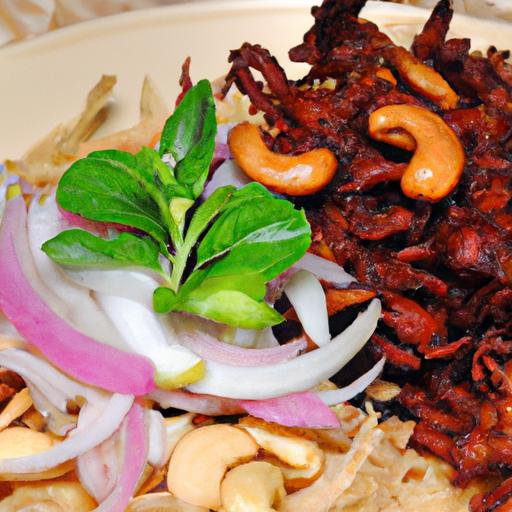



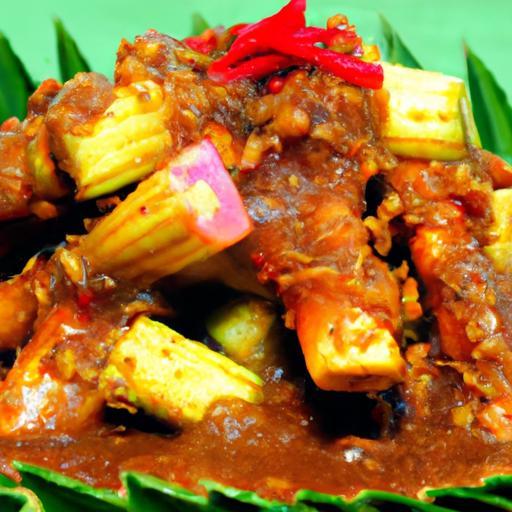
Malaysia’s vibrant streets are more than just thoroughfares-they are open-air kitchens, bursting with the tantalizing aromas and vivid colors of some of the world’s most beloved street foods. Savor Malaysia: A Appetizing Journey Through Street Food Gems invites you to explore this lively tapestry of flavors, where centuries-old recipes and cultural influences mingle in every bite. From fragrant satays sizzling over charcoal grills to the rich, spicy depths of laksa, Malaysia’s street food scene is a feast for the senses that tells the story of a nation united by its love of good food. Join us as we embark on a culinary adventure that uncovers hidden gems and iconic dishes alike, celebrating the authentic tastes that make Malaysia a true paradise for food lovers.
Savor Malaysia by diving into one of its most beloved and irresistible street food treasures: Char Kway Teow. This iconic stir-fried noodle dish, originating from the humble hawker stalls of Penang, is a vibrant blend of smoky wok hei, tender flat rice noodles, succulent prawns, Chinese sausage, and fresh bean sprouts. It’s famed for its bold flavors, quick-cooking technique, and the magical “wok breath” aroma that instantly transports you to bustling Malaysian night markets.
My first encounter with Char Kway Teow was at a dimly lit street stall in George Town, where the chef expertly flipped the noodles in a clammy wok.The sizzling sound and intoxicating scent captivated me instantly – a perfect culinary gateway to Malaysia’s rich street food culture. This recipe takes you step-by-step through recreating that treasured experience in your own kitchen, making the flavors of Malaysia accessible and unforgettable.
Prep and Cook Time
- Planning: 15 minutes
- Cooking: 10 minutes
- Total: 25 minutes
Yield
- Serves 2 to 3 hungry street food lovers
Difficulty Level
- Medium – requires quick stir-frying technique and timing
Ingredients
- 200g flat rice noodles (fresh, if available)
- 150g peeled and deveined prawns
- 2 Chinese lap cheong sausages, thinly sliced
- 3 cloves garlic, finely minced
- 2 large eggs
- 1 cup bean sprouts, rinsed and drained
- 2 stalks Chinese chives, cut into 2-inch pieces
- 3 tbsp light soy sauce
- 1 tbsp dark soy sauce (for color)
- 1 tbsp oyster sauce
- 1 tsp white pepper
- 2 tbsp vegetable oil (preferably peanut oil)
- 1 tbsp chili paste (optional, for heat)
Instructions
- Prepare noodles: If using fresh flat rice noodles, gently separate and set aside. For dried noodles, soak in warm water for 10 minutes until pliable and drain well.
- Heat wok: Preheat a wok or large skillet over high heat until very hot. Add 2 tbsp vegetable oil.
- Sauté aromatics and lap cheong: add minced garlic and sliced Chinese sausage,stir-frying until fragrant and the sausage slightly crisps,about 2 minutes.
- Add prawns: Toss in the prawns and cook until they just turn pink, about 1-2 minutes, stirring continuously.
- Scramble eggs: Push the ingredients to one side of the wok, crack in the eggs, and gently scramble until just set but still soft.
- Incorporate noodles: Add the prepared rice noodles and stir-fry vigorously to combine. Use a folding motion to mix ingredients, ensuring noodles are evenly coated with oil and egg.
- Season: Pour in light soy sauce, dark soy sauce, oyster sauce, and white pepper. Stir thoroughly to evenly distribute the sauces and create that signature dark, savory glaze.
- add vegetables: Toss in bean sprouts and chinese chives, stir-frying briefly just to warm through without losing their crispness.
- Optional heat: Stir in chili paste to taste, or serve on the side for spice lovers.
- Final toss and serve: Give one last vigorous toss to infuse the wok’s smoky aroma and serve instantly while piping hot.
Tips for Success
- Wok Hei is Key: Use a well-seasoned wok and cook on high heat to replicate the characteristic “breath of the wok” that imparts a unique smoky flavor.
- No Wok? A large cast-iron or non-stick skillet can work; just ensure the pan is very hot before adding ingredients.
- Fresh Ingredients: fresh rice noodles and crisp bean sprouts elevate this dish to authentic street style.
- customize Protein: Substitute prawns with chicken or tofu for a twist, keeping cooking times adjusted accordingly.
- Make Ahead: Prepare ingredients in advance; stir-fry takes less than 10 minutes total, ideal for quick meal prep.
Serving Suggestions
Plate your Char Kway Teow garnished with additional fresh Chinese chives, a wedge of lime for a bright citrus contrast, and a side of sliced fresh red chilies in vinegar to add fiery tang. Pair with a refreshing iced teh tarik or a traditional jasmine tea for a quintessential Malaysian night market dining experience. For a complete feast, explore our Malaysian Satay recipe to accompany your meal.

| Nutrition Facts | Per Serving |
|---|---|
| Calories | 450 kcal |
| Protein | 28 g |
| Carbohydrates | 55 g |
| Fat | 14 g |
For deeper insights on Malaysia’s street food scene, visit the authoritative resources from Tourism Malaysia to plan your own flavorful journey.
Q&A
Q&A: Savor Malaysia – A Delicious Journey Through street Food Gems
Q1: What makes Malaysian street food so uniquely captivating?
A: Malaysian street food is a vibrant tapestry of flavors, colors, and cultures. It’s where Malay, Chinese, Indian, and indigenous culinary traditions meld into mouthwatering creations. Each dish tells a story-whether it’s the spicy kick of Penang’s char kway teow or the fragrant spices in a fragrant bowl of laksa.The diversity and authenticity found at street stalls-in bustling night markets or quaint roadside vendors-offer an immersive taste adventure unlike anywhere else.
Q2: Which street food dishes are absolute must-tries for first-time visitors?
A: Start with iconic classics like nasi lemak, Malaysia’s beloved coconut milk rice served with sambal, anchovies, and boiled egg. Don’t miss the char kway teow, stir-fried flat noodles with prawns and egg, or the rich and tangy assam laksa, a spicy fish-based noodle soup.For a sweet delight, try cendol-shaved ice dessert with coconut milk, pandan jelly, and palm sugar. Each dish reflects regional specialties, making every bite a revelation.
Q3: Where are the best places to explore Malaysian street food?
A: The country is dotted with culinary hotspots. George Town in Penang is a UNESCO World heritage site famed for its street food markets, while Kuala Lumpur’s Jalan Alor comes alive at night with sizzling grills and aromatic spices. Langkawi’s night markets blend tropical flavors, and Ipoh is a hidden gem for white coffee and hearty claypot dishes. Each locale offers a unique angle on Malaysian gastronomy.
Q4: How can travelers enjoy Malaysian street food safely and authentically?
A: Adventure boldly but wisely! Follow the crowds-busy stalls usually mean fresh,delicious food. Look for vendors with a good turnover and hygienic practices. Don’t hesitate to ask locals for recommendations; their favorites are frequently enough the best-kept secrets. Sampling dishes in smaller portions can help you savor more varieties without overwhelming your palate or stomach.
Q5: What cultural experiences accompany Malaysian street food?
A: Street food here is more than just a meal; it’s a communal celebration. Vendors often cook with ancestral recipes passed through generations. Street markets are social hubs where locals gather,celebrate festivals,and share stories. Sampling street food is a chance to connect, learn, and partake in Malaysia’s vibrant everyday life-an unforgettable flavor feast for your senses and soul.
Q6: Can vegan or vegetarian options be found easily in Malaysian street food?
A: Absolutely! Malaysia’s multicultural cuisine offers a bounty of plant-based delights. Dishes like roti canai with dhal curry, popiah (fresh spring rolls), and vegetarian noodles can be found at many stalls. Just mention your dietary preferences-a warm Malay “boleh” (can do!) spirit often leads cooks to adapt recipes to suit your needs. The street food landscape is inclusive and welcoming for all palates.
Embark on your flavorful pilgrimage and let Malaysian street food transform every bite into a celebration of heritage, spice, and love. Savor Malaysia, one street at a time!
Final Thoughts
As we conclude this flavorful expedition through Malaysia’s vibrant street food scene, it’s clear that each bite tells a story-of heritage, passion, and the harmonious blend of cultures that define this remarkable nation. From the smoky satays sizzling over open flames to the sweet,comforting embrace of kaya toast,Malaysia’s street food gems invite you not just to eat,but to savor moments steeped in history and heart. So next time wanderlust calls, let your taste buds lead the way on a delicious journey through Malaysia, where every street corner holds a new culinary secret waiting to be discovered.