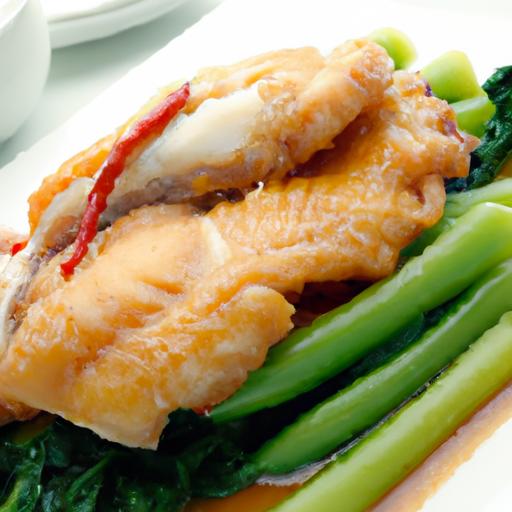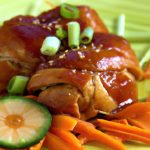



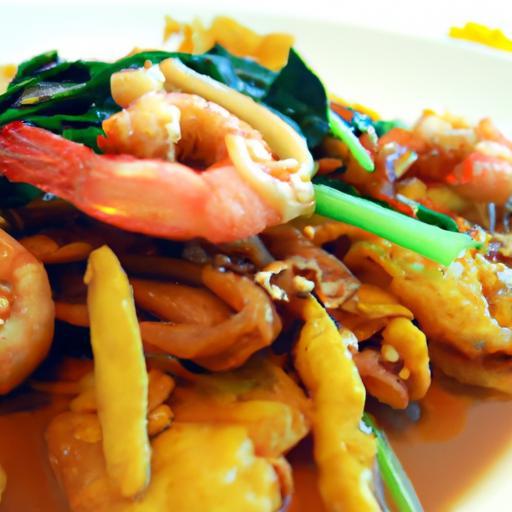
Beneath the shimmering skyline of Singapore lies a vibrant tapestry of flavors that tell the story of a nation rich in culture and tradition. “Savor Singapore: A Journey Through Iconic Street Food Flavors” invites you to embark on a culinary adventure where every bite reveals a fusion of heritage, passion, and innovation. From the smoky aroma of char kway teow sizzling on fiery woks to the delicate sweetness of kaya toast paired with a steaming cup of kopi,Singapore’s street food scene is a feast for the senses. Join us as we explore the legendary hawker centers and hidden gems that serve up the city’s most beloved dishes-each plate a appetizing chapter in Singapore’s flavorful narrative.
Savor singapore street food flavors starting with the iconic Hainanese Chicken Rice, a dish that epitomizes the rich culinary heritage found in every hawker center across the city-state. originating from hainan, China, this deceptively simple meal has been lovingly adapted by Singaporean chefs into a fragrant, tender, and deeply satisfying staple that continues to capture local hearts and international palates. I vividly recall my first bite in a bustling Maxwell Food Centre stall-where the juicy poached chicken, aromatic rice, and punchy chili sauce combined for an unforgettable taste experience that truly defined the spirit of Singapore’s hawker culture.
Prep and Cook Time
- Planning: 15 minutes
- Cooking: 40 minutes
- Total: 55 minutes
Yield
Serves 4
Difficulty Level
medium
Ingredients
- 1 whole chicken (about 3-4 lbs), cleaned
- 4 cups jasmine rice, rinsed until water runs clear
- 5 cups chicken stock (reserved from cooking the chicken)
- 5 cloves garlic, minced
- 2 slices ginger, smashed
- 2 stalks green onions, chopped
- 2 tbsp vegetable oil
- Sea salt, to taste
- Ice bath (for chilling cooked chicken)
- For the chili sauce:
- 3 red chilies, deseeded for less heat
- 2 cloves garlic
- 1 tbsp ginger, finely grated
- 2 tsp sugar
- 2 tbsp lime juice
- Salt, to taste
- For the ginger-scallion oil:
- 3 tbsp vegetable oil
- 2 tbsp grated ginger
- 3 stalks green onion, finely chopped
Instructions
- Prepare the chicken stock: Place the whole chicken in a large pot, cover with cold water, add ginger and green onions.Bring to a boil, then reduce to a simmer. Poach gently for 35-40 minutes until the chicken is cooked through.
- Chill the chicken: Remove the chicken and promptly plunge it into an ice bath. This stops the cooking and firms the skin for a perfect silky texture. set aside once cooled.
- Cook the rice: In a separate pan, heat oil and sauté garlic and extra ginger slices until fragrant. Add the rinsed jasmine rice and stir for 2 minutes, coating the grains.
- Simmer the rice: Transfer the rice to a rice cooker or pot, add chicken stock (about 1.25 times the rice volume), and cook until fluffy and fragrant.
- Make the chili sauce: Blend red chilies, garlic, ginger, sugar, lime juice, and salt until smooth. Adjust seasoning to your taste. This luminous, spicy dip complements the chicken beautifully.
- Create ginger-scallion oil: Heat oil until shimmering but not smoking, pour over ginger and chopped scallions in a heatproof bowl. Let it sit for a few minutes to infuse flavors.
- Carve and serve: Remove the chicken from the carcass, slice into bite-sized pieces, and drizzle lightly with ginger-scallion oil and a pinch of sea salt.
chef’s Notes
- For a richer stock,add chicken bones and simmer longer before cooking the chicken.
- If you can’t find whole chickens, boneless thighs work well but adjust cooking time accordingly.
- Make the chili sauce ahead and refrigerate for up to 3 days – it only gets better as the flavors meld.
- Use pandan leaves when cooking rice for an extremely fragrant twist,mimicking hawker center aromas.
- If fresh ginger is scarce, substitute with ground ginger but reduce quantity to avoid overpowering.
serving Suggestions
Arrange the sliced chicken neatly on a plate alongside a mound of fragrant rice. Serve chili sauce and a small bowl of ginger-scallion oil on the side as dipping sauces. Accompany the dish with light cucumber slices and fresh coriander sprigs for contrast and color. Pair this meal with Singapore’s famous sugarcane juice or a refreshing lime soda to cleanse the palate, enhancing the full hawker center experience right at your table.

| Nutrient | per Serving |
|---|---|
| Calories | 450 kcal |
| Protein | 35 g |
| Carbohydrates | 50 g |
| Fat | 10 g |
Don’t miss exploring other stellar dishes like Char Kway Teow to delve deeper into the authentic flavors that make hawker centers the heart and soul of Singapore’s street food scene.
Q&A
Q&A: Savor Singapore – A Journey Through Iconic Street Food Flavors
Q1: What makes Singapore’s street food scene so unique?
A1: Singapore’s street food scene is a vibrant tapestry woven from its multicultural roots-Chinese, Malay, indian, Peranakan, and beyond.This melting pot of flavors and cooking traditions creates a dynamic culinary landscape where every hawker center turn promises a new sensory adventure. Authenticity, affordability, and the bustling atmosphere of these open-air eateries make the experience truly unforgettable.
Q2: Which iconic dishes should visitors absolutely try on their street food journey?
A2: No culinary pilgrimage to Singapore is complete without tasting the legendary Hainanese Chicken Rice, rich and fragrant Laksa with its spicy coconut broth, Char Kway Teow’s smoky wok hei magic, and the fiery delights of Chilli Crab. Don’t miss out on the humble but addictive Satay skewers and the sweet treat of Ice kachang, a colorful mountain of shaved ice loaded with syrup and toppings.
Q3: Where is the best place to explore Singapore’s street food culture?
A3: Hawker centers are the heart and soul of Singapore’s street food scene.Locations like maxwell Food Centre, Lau Pa Sat, and Tiong Bahru Market offer an authentic glimpse into everyday local life, with dozens of stalls serving up a dizzying array of dishes.These communal dining spaces capture the true spirit of Singapore’s culinary heritage.
Q4: How does Singapore preserve and promote its street food legacy?
A4: Singaporeans cherish their hawker culture as a vital part of national identity. The goverment supports hawkers through initiatives that improve hygiene, training, and infrastructure while safeguarding traditional recipes.In fact, the UNESCO inscription of Singapore’s hawker culture as an Intangible Cultural Heritage highlights the global recognition of this living tradition.
Q5: Can street food in Singapore cater to dietary preferences or restrictions?
A5: Absolutely! While many dishes are rooted in tradition and often contain meat or seafood, hawker centers offer a growing variety of vegetarian, vegan, and halal options. With a little curiosity and kind vendor interaction, visitors can delight in diverse offerings tailored to their dietary needs without missing out on flavour.
Q6: What tips can travelers follow to fully enjoy their street food adventure in Singapore?
A6: Come with a curious palate and an empty stomach! Go during off-peak hours to beat the crowds and get better service. Don’t be shy to ask locals for their favorites or for recommendations on spice levels. sampling smaller portions from multiple stalls lets you savor a wider range of flavors. And always bring cash-many hawkers prefer it over cards!
Embarking on a journey through Singapore’s street food is much more than a meal; its a delicious exploration of culture, history, and community, plated with passion and bursting with unforgettable tastes. Savor every bite!
Future Outlook
as the sun sets over Singapore’s bustling streets, the vibrant aromas linger-a fragrant reminder of a city where every bite tells a story. From the fiery sambal of chili crab to the comforting warmth of kaya toast, Singapore’s street food invites you not just to eat, but to savor a rich tapestry of culture, history, and passion. So, whether you find yourself weaving through hawker centers or discovering hidden food stalls, let your taste buds lead the way on this unforgettable journey through iconic flavors. after all, in Singapore, every meal is more than nourishment-it’s a celebration of heritage on a plate.