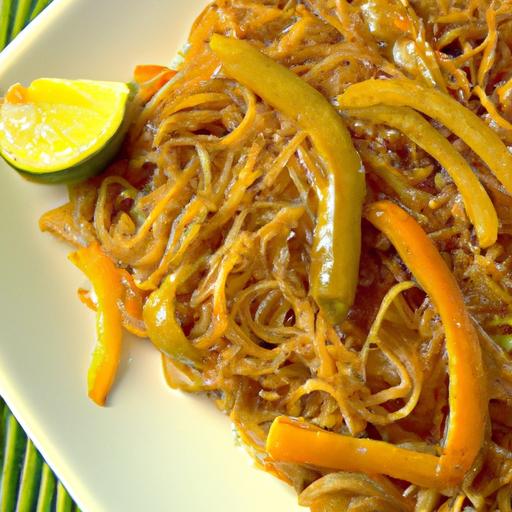


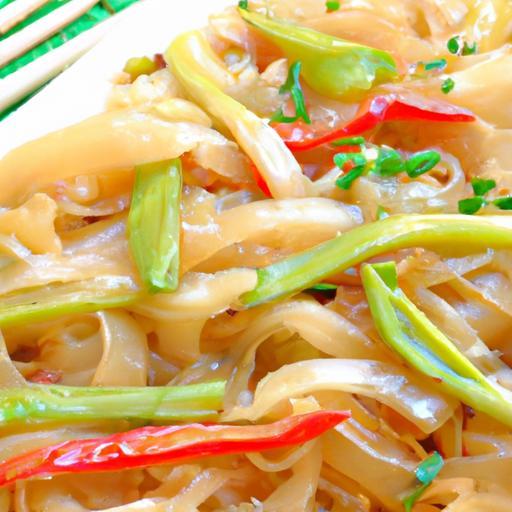
Few dishes capture the vibrant spirit and rich culinary heritage of the Philippines quite like pancit. These colorful noodle recipes, steeped in history and bursting with flavor, offer a delicious journey through the islands’ diverse regions and cultures. Whether stir-fried with savory meats and fresh vegetables or dressed in light, tangy sauces, Filipino pancit dishes are more than just comfort food-they are a celebration on a plate.Join us as we explore the delicious world of pancit noodles, uncovering traditional favorites and innovative twists that make this beloved Filipino staple a must-try for every food lover.
Discover the delicious world of Filipino Pancit noodle recipes by diving into a culinary tradition that is both vibrant and deeply rooted in Filipino culture. Pancit,a term broadly referring to noodle dishes,has journeyed through centuries of influences-from Chinese traders to Spanish colonizers-each contributing to the diverse pancit varieties enjoyed today. Whether served during celebrations or a simple family gathering, pancit symbolizes community, prosperity, and the joy of sharing a flavorful meal.
Prep and Cook Time
Prep Time: 20 minutes
Cook Time: 25 minutes
Yield
Serves 6-8 people
Difficulty Level
Medium
Essential Ingredients and authentic Techniques for Perfect Pancit
To master the art of pancit, start with quality noodles that complement the dish’s texture-like bihon (rice vermicelli), canton (egg noodles), or sotanghon (glass noodles). Fresh vegetables like carrots,green beans,and cabbage provide crunch and color,while proteins such as chicken,shrimp,or pork add depth. A fragrant broth made from sautéed garlic and onions, enhanced with a dash of soy sauce and fish sauce, brings all elements together in harmony.
- 200g bihon rice noodles, soaked in warm water for 10 minutes
- 2 tablespoons vegetable oil
- 3 cloves garlic, finely minced
- 1 medium onion, sliced thinly
- 150g chicken breast, sliced thinly
- 150g shrimp, peeled and deveined
- 1 medium carrot, julienned
- 1 cup green beans, cut into 2-inch pieces
- 1 cup shredded cabbage
- 3 cups chicken broth
- 3 tablespoons soy sauce
- 1 tablespoon fish sauce (patis)
- Salt and freshly ground black pepper to taste
- 1 lemon or calamansi, cut into wedges (for serving)
- Chopped spring onions and fried garlic for garnish
Step-by-Step Instructions
- Prep the noodles: Soak the bihon noodles in warm water for about 10 minutes until soft, then drain thoroughly to prevent clumping.
- Sauté aromatics: Heat vegetable oil in a large wok over medium heat. Add minced garlic and onions, stirring constantly until golden and fragrant, about 3 minutes.
- Cook proteins: Add sliced chicken and shrimp to the wok.Sauté until chicken is opaque and shrimp turns pink, roughly 5-7 minutes. Ensure even cooking by turning pieces frequently.
- Add vegetables: Toss in carrots and green beans, stirring for 2 minutes to maintain crispness, then add cabbage and cook an additional 1 minute.
- Build the broth and flavor: Pour in chicken broth, soy sauce, and fish sauce. Stir and bring to a gentle boil.
- Cook the noodles: Add the drained bihon noodles, gently folding them into the mixture. Simmer uncovered, stirring occasionally, for 4-6 minutes until noodles absorb the flavorful broth but remain springy. Adjust seasoning with salt and pepper.
- Final touches: Remove from heat. Transfer pancit to a large serving platter. Garnish with chopped spring onions, fried garlic, and serve with calamansi or lemon wedges for a citrusy brightness.
Tips for Success and Creative twists
Elevate your pancit experience by experimenting with ingredient swaps-try substituting chicken broth with seafood stock for a briny undertone,or adding tofu cubes for a vegetarian-amiable version. For extra texture, top your dish with crisp pork cracklings or toasted garlic chips. If you prefer a saucier pancit, increase broth slightly and serve immediately to avoid sogginess.
To save time, prep all your vegetables and proteins ahead of cooking. Pancit also reheats well-just sprinkle a little water before microwaving to retain moisture. For an exciting twist, infuse the dish with a hint of umami flavors using dried mushrooms or a spoonful of fermented black beans.
Serving Suggestions
Present your pancit on a vibrant platter to showcase its medley of colorful ingredients. Accompany with fresh lemon or calamansi wedges,allowing guests to brighten their bite with a splash of citrus. Complement the meal with classic Filipino sides like lumpiang shanghai (fried spring rolls) or a side of pickled papaya (achara) to balance textures. For a festive touch, include chopped toasted peanuts or crispy shallots for crunch.

| Nutrient | Per Serving |
|---|---|
| Calories | 320 kcal |
| Protein | 22g |
| Carbohydrates | 38g |
| Fat | 8g |
Ready to further explore noodle preparations in Filipino cuisine? Check out our guide to Kapampangan noodle recipes for more inspiration and authentic flavors.
Q&A
Q&A: Discover the Delicious World of Filipino Pancit Noodle Recipes
Q1: What exactly is Pancit, and why is it such a beloved dish in Filipino cuisine?
A1: Pancit is a vibrant and flavorful Filipino noodle dish that comes in many forms, each with its own unique twist. The word “pancit” itself stems from the Hokkien term “piàn ín,” meaning “convenient food.” It’s beloved because it’s more than just noodles; it’s a symbol of celebration, family gatherings, and the rich cultural tapestry of the Philippines. Whether stir-fried or served in soup, pancit noodles bring together savory flavors, fresh vegetables, and sometimes meat or seafood into a comforting, hearty meal.Q2: What are the most popular types of Pancit that beginners should try?
A2: For those new to Filipino noodles, start with the classics:
- Pancit Canton – Stir-fried egg noodles tossed with soy sauce, garlic, vegetables, pork, and shrimp. It’s colorful and packed with texture.
- Pancit Malabon – Known for its thick rice noodles and bold seafood flavor, enhanced by shrimp sauce and a bright orange hue.
- Pancit Palabok – Thin rice noodles smothered in a savory shrimp sauce and topped with hard-boiled eggs, chicharrón (crispy pork skin), and green onions.
Each variant offers a different noodle and sauce experience, showcasing the diversity of Filipino flavors.
Q3: What makes Filipino Pancit different from other Asian noodle dishes?
A3: While Asian noodles often share ingredients and cooking techniques,Filipino pancit stands out with its fusion of indigenous,Chinese,and Spanish influences.The use of local ingredients like calamansi (Filipino lime), shrimp paste, and native vegetables adds a uniquely Filipino signature. Moreover, the noodles-ranging from thick rice noodles to thin mismatched varieties-showcase the adaptability of pancit to different occasions, textures, and palates. The mix of savory, slightly sweet, and tangy flavors also sets it apart from other noodle traditions.
Q4: Can Pancit be customized for different dietary preferences?
A4: Absolutely! Pancit is incredibly versatile. Vegetarians can enjoy a vibrant vegetable pancit canton or opt for tofu instead of meat. Seafood lovers can load up on shrimp, squid, and fish flakes, especially in pancit malabon or bihon. For a gluten-free option, rice noodles (like those used in pancit bihon or palabok) are naturally gluten-free. The key is balancing the flavors with protein and fresh veggies to keep it satisfying and colorful.
Q5: What are some tips for mastering the perfect Pancit at home?
A5: To cook pancit like a pro:
- Prepare all ingredients beforehand-stir-frying goes quickly, so have veggies chopped, meats sliced, and sauces mixed.
- Skip overcooking the noodles; they should be tender but not mushy. Cook them just until al dente and toss them quickly in the hot wok or pan.
- Use high heat for stir-frying to get that slightly smoky, wok hei flavor.
- Balance your seasonings-a little soy sauce, fish sauce, and a squeeze of calamansi can brighten the dish instantly.
- Top with freshly chopped green onions, crushed chicharrón, and hard-boiled eggs for an authentic finish.
Q6: Why is Pancit often served during special occasions and celebrations?
A6: Pancit symbolizes long life and prosperity in Filipino culture. Its long, unbroken noodles represent longevity and good fortune, making it a must-have at birthdays, weddings, and holidays. Sharing a big plate of pancit with family and friends is a way to foster togetherness and celebrate milestones with a hearty and meaningful meal.
Q7: where can someone find authentic Filipino Pancit if they don’t want to cook at home?
A7: Filipino restaurants and specialty eateries in many cities around the world offer delicious pancit varieties. Look for spots that mention pancit canton, palabok, or Malabon on their menu. Community Filipino markets or food festivals are also great places to sample authentic versions. And don’t hesitate to ask the cooks for their family recipe stories-they often have interesting histories behind their pancit!
Discovering pancit is like taking a flavorful journey through Filipino heritage-each noodle strand tells a story of tradition, creativity, and joy. So grab your chopsticks (or fork),dive into the world of pancit,and savor every bite of this beloved Filipino classic!
In Summary
From the bustling streets of Manila to cozy family kitchens across the islands,pancit noodles carry with them stories of tradition,celebration,and comfort. Whether you prefer the classic stir-fried flavors of Pancit Canton or the delicate broth of Pancit Malabon, each recipe invites you to savor a unique slice of Filipino culture. So next time you’re craving something both hearty and heartwarming, dive into the delicious world of pancit – where every bite tells a flavorful story waiting to be discovered.