


There’s a certain magic in the delicate bloom of French Brie-the soft, velvety rind concealing a creamy heart that melts effortlessly on the tongue. Revered as the “Queen of cheeses,” Brie is more than just a staple on a cheese board; it’s an experience that captures the essence of French terroir adn tradition. But to truly appreciate its subtle complexities, one must learn to decode its tasting notes, from buttery undertones to hints of mushroom and hazelnut. And what better way to elevate this sensory journey than with the ideal wine companion? Join us as we unravel the secrets of French Brie, exploring its nuanced flavors and uncovering the perfect wine pairings that make every bite sing.
Decoding French Brie reveals an enchanting symphony of creamy richness and subtle earthiness that sets this iconic cheese apart.Originating from the pastoral landscapes of Île-de-France, Brie is celebrated for its velvety texture and delicate white rind, offering a sensory journey with every bite. Whether you’re a seasoned fromager or new to this French treasure, understanding the nuanced flavor profile and selecting the perfect wine pairing transforms this simple cheese tasting into a gourmet experience.
Prep and Cook Time
Prep time: 10 minutes
Cook Time: 0 minutes (served fresh or at room temperature)
Yield
Serves 4-6 as an appetizer or cheese course
Difficulty Level
Easy
Ingredients
- 1 wheel (8 oz) French Brie cheese, preferably Brie de Meaux or Brie de Melun
- Fresh baguette, sliced thinly
- fresh fruit (such as grapes, figs, or apple slices), optional for garnish
- Honey, for drizzling (optional)
- Toasted walnuts or pecans, roughly chopped (optional)
- Fresh herbs like thyme or rosemary (optional)
Instructions
- Prepare your Brie: Allow the Brie to rest at room temperature for 30-60 minutes. This unlocks the cheese’s creamy texture and amplifies its complex taste notes.
- slice the baguette: Cut a fresh baguette into thin, diagonal slices. Toast these lightly if you prefer added crunch and warmth.
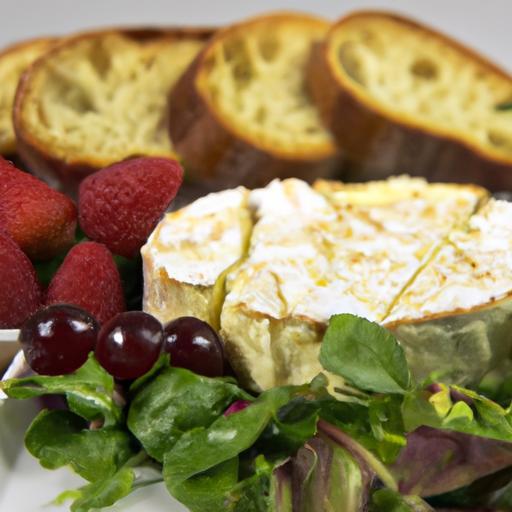
- Assemble the platter: Place the Brie wheel on a wooden board or a stylish serving dish. Surround it with baguette slices,fresh fruit,and nuts for textural contrast and visual appeal.
- Add final touches: Drizzle a little honey over the Brie for sweetness, and scatter some fresh herbs on top or around to introduce aromatic freshness.
- serve: Encourage guests to spread the creamy Brie on the baguette,pairing bites with a sip of carefully chosen wine for an elevated tasting experience.
Tips for Success
- Choosing Brie: For a buttery mild flavor, Brie de Meaux is ideal. For a stronger, more pungent profile, opt for Brie de Melun.
- Texture breakthroughs: Brie ranges from firm and supple just beneath the rind to luxuriously runny at the core as it ripens – perfect for experimenting with personal preference.
- Wine pairing guidance: Pair your Brie with a crisp chardonnay or Champagne, which complements the cheese’s creaminess and balances its earthiness beautifully.
- Make ahead: Brie is best enjoyed fresh at room temperature but can be refrigerated and brought to temperature about an hour before serving.
- Serving note: Be sure to serve brie with its rind intact – it is indeed edible and vital to the cheese’s characteristic flavor and texture.
Serving Suggestions
For an elegant cheese board, present your Brie alongside seasonal fruits such as fresh figs, crisp apple slices, and juicy red grapes. Add crunchy elements such as toasted nuts or crisp crackers to contrast the cheese’s softness. A drizzle of honey or a sprinkle of fresh herbs enhances the visual appeal and introduces complementary flavors that buffer Brie’s luxurious creaminess. Pair your platter with a chilled glass of sparkling Champagne or a vibrant Pinot Noir to decode the cheese’s rich layers and heighten your tasting experience.

| Nutrient | Per 1 oz (28g) Serving |
|---|---|
| Calories | 95 kcal |
| Protein | 5 g |
| Carbohydrates | 0.1 g |
| Fat | 8 g |
Explore more exquisite cheese pairings in our Wine Pairings for Cheese guide and elevate your next entertaining experience.
Q&A
Q&A: Decoding French Brie – Tasting Notes and Perfect Wine Pairings
Q1: What makes French Brie so special compared to other cheeses?
A1: French Brie is often hailed as the “Queen of Cheeses” due to its rich history and delicate balance between creamy texture and subtle earthy flavors.Originating from the Brie region near Paris,its customary crafting methods-using raw or pasteurized cow’s milk-produce a soft,velvety cheese with a white bloomy rind that melts on the tongue. The complexity lies in its nuanced flavor profile: buttery with hints of mushroom, nuts, and a gentle tang that’s neither overpowering nor bland.
Q2: How can you describe the tasting notes of Brie to a novice?
A2: Imagine biting into a pillowy cloud that’s both smooth and slightly gooey. The initial taste delivers a mild creaminess, like fresh butter, accompanied by faint whispers of earthiness reminiscent of damp forest floor or wild mushrooms. As you savor it, subtle nutty undertones and a slight tang emerge, offering a layered yet harmonious flavor experience. Brie’s rind adds a delicate,slightly mushroomy note that complements the creamy heart.
Q3: What are some key factors that influence the flavor of French brie?
A3: the flavor can vary depending on the milk’s origin,production methods,aging duration,and even the season. Brie made with raw milk typically boasts a richer, more complex taste, while pasteurized versions tend to be milder.Aging time affects the texture and intensity: younger Bries are firmer and more subdued, while older ones grow creamier and develop stronger, funkier notes. Terroir-the habitat where the cows graze-also imparts subtle differences, making each Brie unique.
Q4: Which wines pair best with French Brie, and why?
A4: Brie’s creamy texture and delicate earthiness call for wines that balance richness without overpowering the cheese. Classic pairings include:
- Chardonnay: Especially lightly oaked or unoaked varieties from Burgundy or Chablis bring luminous acidity and apple-pear notes that cut through Brie’s creaminess.
- Champagne or Sparkling Wines: The bubbles and crispness refresh the palate and enhance the cheese’s buttery flavor.
- Pinot Noir: A light-bodied, fruit-forward Pinot Noir offers a lovely contrast with its red berry character and mild tannins.
- sauvignon Blanc: Its citrusy brightness and herbal hints can complement the subtle earthy notes of Brie.
Q5: Are there any experimental or lesser-known pairings to try with Brie?
A5: Absolutely! For adventurous palates, try pairing Brie with a slightly sweet Gewürztraminer or Riesling-the sweet-acid balance brightens the cheese’s richness delightfully. For red wine lovers, a Beaujolais or even a light Grenache can work wonders. On the other side of the spectrum, craft beers like a creamy stout or a Belgian saison can also harmonize beautifully with Brie’s creamy body.
Q6: How should Brie be served to maximize its flavor?
A6: serve Brie at room temperature-ideally 20 to 30 minutes after removing it from the fridge. This allows the texture to soften and the full flavor profile to bloom. Present it with simple accompaniments like crusty baguette slices, fresh fruit (think ripe pears or figs), and a drizzle of honey or a handful of toasted nuts to add complementary textures and taste contrasts.
Q7: Can Brie be part of a refined cheese board? What else pairs well with it?
A7: Certainly! Brie is often the star of a sophisticated cheese board. Pair it alongside aged hard cheeses like Comté or Gruyère,tangy blue cheeses,and soft chevre to offer a range of textures and flavors. Add artisanal crackers,olives,nuts,and fresh fruit to create a balanced and visually stunning spread that invites exploration sip by sip and bite by bite.
Unlocking the secrets of French Brie reveals a world where creamy indulgence meets elegant complexity.whether enjoyed with a crisp glass of Chardonnay or the playful pop of Champagne, this cheese promises a timeless sensory journey. Bon appétit!
To Conclude
As you embark on your next culinary adventure with a wheel of French brie, remember that this creamy, delicate cheese is more than just a snack-it’s a story of tradition, terroir, and taste. From the subtle earthiness to the rich, buttery finish, Brie invites you to savor each nuanced layer. Pair it thoughtfully-with a crisp chardonnay, a fragrant Pinot Noir, or even a sparkling wine-and you unlock a symphony of flavors that dance in harmony on your palate. Whether you’re a seasoned connoisseur or a curious newcomer, decoding French Brie is an invitation to explore the art of cheese and wine pairing in its most tasty form. So go ahead: slice, sip, and savor the elegance of Brie-the crown jewel of French cheese-and let your taste buds revel in the perfect match.