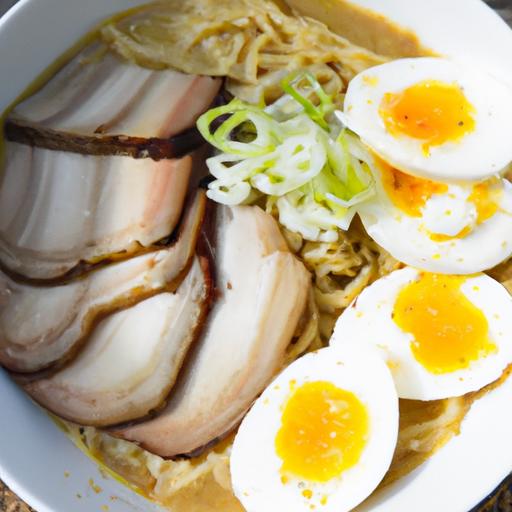



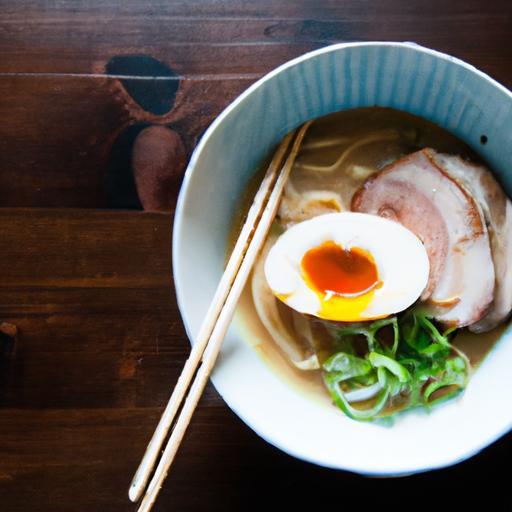
There’s something undeniably magical about a steaming bowl of ramen-the rich,aromatic broth,the springy noodles,and the symphony of toppings that come together in perfect harmony. While countless shops around the world serve their own take on this beloved Japanese dish, mastering homemade ramen offers a deeply satisfying journey into the art of flavor, technique, and creativity.This flavorful DIY adventure is not just about following a recipe; it’s about understanding the delicate balance of ingredients, embracing time-honored traditions, and making this comforting classic your own. Whether you’re a curious beginner or an aspiring culinary maestro,let’s dive into the world of homemade ramen and discover how too craft bowls bursting with character,warmth,and soul.
Mastering Homemade Ramen: A Flavorful DIY Adventure
Mastering homemade ramen is an exciting culinary journey that invites you to dive deep into layers of flavor, texture, and tradition.From crafting a broth teeming with umami complexity to pulling together tender, springy noodles made from scratch, this recipe equips you with the knowledge to create a bowl that rivals the ramen stalls of Japan. Each element - the broth, noodles, toppings, and final garnishes - works in harmony to deliver a soul-satisfying experience straight from your kitchen.
Prep and Cook Time
- Preparation: 2 hours 30 minutes
- Cook Time: 4 hours
- Total Time: 6 hours 30 minutes
Yield
Serves 4 hearty bowls
Difficulty Level
Advanced - But rewarding for any passionate home cook
Ingredients
- For the Broth Base:
- 4 lbs pork bones (neck and femur), blanched
- 2 lbs chicken carcass
- 1 large onion, halved
- 1 head of garlic, halved horizontally
- 4-inch piece of ginger, sliced
- 5 dried shiitake mushrooms
- 2 dried kombu sheets (kelp)
- 3 quarts water
- 1 cup soy sauce
- ½ cup mirin
- Salt to taste
- For the Noodles:
- 3 cups all-purpose flour, sifted
- 1 cup bread flour
- 1 tsp salt
- 1 cup cold water, plus extra as needed
- 1 tsp baking soda (alkaline water substitute)
- For Toppings & Garnishes:
- 4 soft-boiled eggs, marinated overnight
- 1 cup sliced green onions (scallions)
- Bamboo shoots (menma), ½ cup
- Thinly sliced chashu pork (braised pork belly), 1 cup
- Nori sheets, cut into strips
- Sesame seeds for sprinkling
Instructions
- prepare the Broth Base: Rinse blanched pork bones and chicken carcass under cold water to remove impurities. In a large stockpot, combine bones, onion, garlic, ginger, shiitake mushrooms, and kombu with 3 quarts of water. Bring to a gentle simmer-avoid boiling to maintain a clear broth. Cook uncovered for 4 hours, skimming off foam every 15 minutes.
- About 30 minutes before finishing, add soy sauce and mirin. Season with salt carefully,tasting as you go to balance the depth and saltiness. Remove solids and strain broth through fine mesh for a silky texture.
- Craft the Noodles from Scratch: in a large mixing bowl, whisk baking soda into cold water until dissolved. Combine flours and salt in another large bowl. Gradually add the alkaline water mixture to the dry ingredients, stirring with chopsticks or fork until dough forms.
- Knead dough on a floured surface for 8-10 minutes until firm and elastic. Wrap in plastic and rest for 30 minutes. Roll out dough thinly (to about 1/16 inch) using a pasta roller or rolling pin, and cut into ⅛ inch ribbons. Toss noodles lightly in flour to prevent sticking.
- Boil noodles in a large pot of salted water for 2-3 minutes until al dente. Drain and rinse briefly under cold water to stop cooking and firm up texture. Drain again.
- Assemble Your Bowl: Reheat broth to boiling. Place freshly boiled noodles into each serving bowl.Ladle hot broth on top until noodles are submerged.
- Top with marinated soft-boiled egg halves, generous slices of chashu pork, bamboo shoots, and green onions. Garnish with nori strips and a sprinkle of toasted sesame seeds to elevate flavor and texture.
Tips for Success
- When making broth, patience is everything. Slow simmering extracts deep, layered flavors essential for authentic ramen.
- The alkaline water (baking soda dissolved in water) is key to that signature springy bite in noodles; don’t skip it.
- If fresh noodles feel overwhelming, homemade dried noodles can be made ahead and stored in an airtight container for up to 3 days.
- Marinate eggs in a mixture of soy sauce, mirin, and water for at least 8 hours to penetrate flavor.
- Adjust the balance of soy sauce and salt in the broth to suit your taste, starting with less and adding slowly.
Serving Suggestions
present your ramen in deep bowls to hold both broth and toppings elegantly. Serve with a side of pickled ginger or kimchi for contrast. A pair of wooden or bamboo chopsticks paired with a ceramic soup spoon enhances the tactile pleasure. For an umami splash, drizzle a few drops of chili oil or a small spoonful of black garlic oil just before serving.

| Nutrient | Per Serving |
|---|---|
| Calories | 620 kcal |
| Protein | 38 g |
| Carbohydrates | 70 g |
| fat | 20 g |
For additional inspiration on homemade Asian noodles, check out our guide to udon noodles. To deepen your understanding of umami components, the NCBI article on umami taste offers interesting scientific insights.
Q&A
Q&A: Mastering Homemade Ramen: A Flavorful DIY Adventure
Q1: Why make homemade ramen instead of buying instant or dining out?
A: Homemade ramen is more than just a meal-it’s an immersive culinary journey. while instant ramen fills the belly quickly and restaurant ramen dazzles with artistry, making it yourself lets you tailor every element: the broth’s depth, the noodles’ chewiness, the toppings’ freshness. It’s creativity boiled into a bowl, offering satisfaction that pre-packaged noodles simply can’t match.
Q2: What’s the secret to a rich, flavorful ramen broth?
A: Patience and quality ingredients are your broth’s best friends. Start with a base of pork bones, chicken, or a vegetarian mix, simmered low and slow for hours to draw out umami-packed gelatin and complex flavors. Don’t forget key add-ins like kombu (kelp), dried shiitake mushrooms, and aromatics-think garlic, ginger, and scallions-to layer your broth with savory depth. The magic lies in melding these tastes into a harmonious, soul-warming liquid.
Q3: Can I make authentic ramen noodles at home without fancy equipment?
A: Absolutely! While conventional ramen dough is kneaded and rolled thin using specialized tools, you can replicate the experience with a sturdy rolling pin and some elbow grease. Key is the “kansui” – an alkaline water solution - which gives the noodles their distinctive chew and color.If sourcing kansui is tricky, baking soda baked at high heat can suffice as a substitute. Homemade noodles might be a bit rustic but carry the charm of your own handiwork.
Q4: What toppings elevate homemade ramen from good to unforgettable?
A: The toppings are your playground. Classic choices include chashu pork-tenderly braised-marinated soft-boiled eggs with jammy yolks, crisp bamboo shoots, nori sheets, and fresh scallions. Feel free to experiment: roast corn,sautéed mushrooms,or even a drizzle of garlic oil adds layers of texture and flavor. The key is balance-combining richness, freshness, and crunch keeps each slurp thrilling.Q5: How can beginners avoid common ramen-making pitfalls?
A: Start simple-don’t overwhelm yourself by making every ingredient from scratch the first time. Prioritize the broth and noodles, then add store-bought or pre-prepped toppings. Taste as you go and season in layers; it’s easier to add soy sauce or salt later than to rescue an overly salty broth. Also, timing is crucial: cook noodles just before serving to avoid sogginess. With patience and practice, your ramen will evolve from humble to heroic.
Q6: What’s the best way to serve and enjoy homemade ramen?
A: Presentation is part of the experience. Ladle steaming broth over freshly cooked noodles in a wide bowl, artfully arrange toppings, and garnish with aromatic herbs or a sprinkle of sesame seeds. Gather friends or family around to savor the warm, comforting bowl together. remember, ramen is a dance of flavors and textures-sip the broth, slurp the noodles, and enjoy the delicious adventure you’ve created.
In summary
As you close the chapter on your homemade ramen journey, remember that each bowl you craft is more than just a meal-it’s a canvas for your creativity and a party of flavors simmered with patience and passion. Mastering homemade ramen is not just about following a recipe; it’s about embracing the art of balance, the joy of experimentation, and the satisfaction of creating something truly your own. So, keep exploring those broths, noodles, and toppings, and let every slurp remind you that the most rewarding culinary adventures often begin right at home. Happy cooking-and even happier savoring!