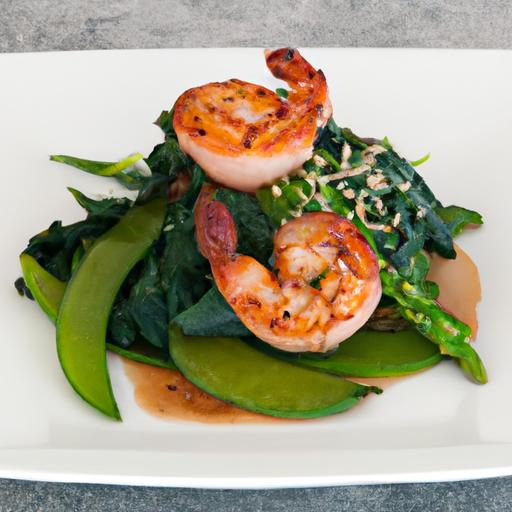




In a world constantly buzzing with activity,the quest for sustained energy has become more crucial than ever.Enter low-carb living-a nutritional approach that’s been quietly transforming how we fuel our bodies and minds. But what exactly happens beneath the surface when we swap sugars for fats and proteins? “Unlocking Energy: The Science Behind Low Carb Living” dives into the fascinating biochemical dance that powers this lifestyle, revealing how minimizing carbohydrates rewires our metabolism, ignites cellular efficiency, and offers a fresh viewpoint on vitality. Prepare to journey beyond the diet trends, into the science that turns fuel into true energy.
Harnessing Fat for Fuel: A Nourishing Avocado & bacon Salad
Unlocking Energy: The Science Behind Low carb Living often comes down to embracing meals that are nutrient-dense, satiating, and perfectly balanced. This Avocado & Bacon Salad is a celebration of how your body adapts to low-carb fuel,featuring wholesome fats and fresh greens that encourage your metabolism to thrive. Inspired by classic keto-kind ingredients, it’s a vibrant dish that energizes without the carb crash, demonstrating the biochemical symphony behind fat-powered vitality.
Prep and Cook Time
Prep: 10 minutes Cook: 5 minutes Total: 15 minutes
Yield
Serves 2 generously as a main dish or 4 as a side
Difficulty Level
Easy – perfect for busy weekdays or effortless entertaining
Ingredients
- 3 slices thick-cut bacon, chopped
- 1 large ripe avocado, diced
- 4 cups mixed baby spinach, well washed
- 1/2 cup cherry tomatoes, halved
- 2 tbsp red onion, finely sliced
- 1 tbsp extra virgin olive oil
- 1 tbsp apple cider vinegar
- Salt and freshly ground black pepper, to taste
- 1 tbsp chopped fresh parsley (optional, for garnish)
Instructions
- Cook the bacon: Place the chopped bacon in a cold non-stick skillet over medium heat. Sauté until golden and crisp, about 5 minutes, stirring occasionally to prevent sticking. Using a slotted spoon, transfer bacon to a paper towel-lined plate, leaving the rendered fat in the pan.
- Prepare the dressing: Remove the pan from heat and carefully whisk in the extra virgin olive oil and apple cider vinegar into the warm bacon fat. Season with salt and freshly ground pepper to taste.
- Assemble the salad: In a large bowl,combine baby spinach,diced avocado,cherry tomatoes,and red onion. Pour the warm dressing over and toss gently to coat, taking care not to break up the avocado.
- Add bacon and garnish: sprinkle the crisp bacon bits and parsley evenly over the salad. Give a final gentle toss just before serving to keep the bacon crunchy.
- Plate and enjoy: Divide between plates and serve immediately for peak freshness and flavor.
tips for Success
- For creamier texture: add a spoonful of crumbled feta or goat cheese to complement the fat profile.
- Make it ahead: Cook and keep bacon separately, chop all veggies, but only toss salad with dressing just before serving to prevent sogginess.
- Substitutions: Swap spinach for arugula or baby kale for a peppery twist.
- Boost protein: Add a poached egg or grilled chicken for a more substantial meal.
Serving Suggestions
This salad shines best served as a light, energizing lunch or a vibrant side for grilled meats. Garnish with a few toasted pumpkin seeds for a delightful crunch or a spritz of fresh lemon for zest. Pairing it with a glass of mineral-rich sparkling water or a crisp dry white wine complements the healthy fats and fresh greens beautifully.

| Nutrient | Per Serving |
|---|---|
| Calories | 350 kcal |
| Protein | 12 g |
| Carbohydrates | 7 g (net 4 g) |
| Fat | 30 g |
For those curious about tailoring your intake or balancing macros for optimal energy levels, this dish encapsulates how nourishing fats can prime your body for sustained vitality. To deepen your understanding of nutrition science, check out our thorough guide on macronutrient balancing for low carb living. For biochemical insights, the national Institutes of Health provides an excellent explanation of ketogenic metabolic pathways.
Q&A
Q&A: unlocking Energy – The Science Behind Low Carb Living
Q1: What exactly is a low carb lifestyle, and why is it gaining so much attention?
A: At its core, a low carb lifestyle means reducing the intake of carbohydrates-think breads, sugars, and starchy veggies-and replacing them with fats and proteins. This shift rewires your body’s default fuel source from glucose (sugar) to ketones derived from fat.The buzz? People report steadier energy, clearer minds, and fewer hunger pangs. It’s like switching from a gas guzzler to a sleek electric engine-more efficient and sustainable.
Q2: How does cutting carbs unlock energy in the body?
A: When you lower carbs drastically,your body undergoes a metabolic makeover called ketosis.Rather of burning sugar, your liver produces ketones from stored fat, which then fuel your brain and muscles. ketones provide a more consistent energy supply, avoiding the spikes and crashes associated with carb-heavy meals.Imagine your energy as a steady campfire rather than a flickering candle-low carb helps keep that flame burning bright.
Q3: Is the energy boost purely physical, or does low carb living affect mental clarity too?
A: It’s both! Many low carb adherents describe a remarkable mental sharpness. Ketones are a preferred fuel for the brain and may improve mitochondrial efficiency (the cell’s power plants),reducing ‘brain fog.’ The absence of sugar swings means fewer distractions from sudden energy drops. So yes,low carb living can turn your mind into a laser-focused powerhouse.Q4: Are there scientific studies backing up these claims of enhanced energy?
A: Absolutely. Research on ketogenic diets-an extreme form of low carb-shows improved endurance in athletes and cognitive improvements in neurological conditions like epilepsy and Alzheimer’s. Though individual responses vary, many controlled trials support low carb’s role in stabilizing blood sugar and enhancing overall vitality.
Q5: Can everyone expect to feel more energized after switching to low carb?
A: Not necessarily. Transitioning can involve a short adaptation period frequently enough called the “keto flu,” where you might feel sluggish or cranky as your body adjusts. Plus, factors like genetics, activity levels, and overall diet quality play roles. But most people find that after this phase, energy steadies and sometimes even soars.
Q6: What are practical tips for someone wanting to unlock their energy through low carb living?
A: Start slow.Swap out refined sugars for whole foods, prioritize healthy fats like avocados and nuts, and ensure your protein is adequate. Hydration and electrolytes matter too-because losing carbs means shedding water and minerals. Above all, listen to your body. Energy is the ultimate feedback.
Q7: Is low carb living sustainable long-term, energy-wise?
A: For many, yes. low carb is not just a diet; it’s a lifestyle embracing nutrient-dense, minimally processed foods. When done correctly,it promotes stable energy,appetite control,and metabolic health. Like any journey, it’s about balance, knowledge, and tuning into what your body truly needs to thrive.
Embrace the science. Unlock your energy. low carb living might just be the key to powering your body and mind in ways you never imagined.
In Retrospect
as we peel back the layers of low carb living, it becomes clear that this way of eating is more than a trend-it’s a fascinating metabolic shift unlocking a new reservoir of energy within us.By understanding the science behind how our bodies adapt, we not only empower ourselves to make informed nutritional choices but also tap into a sustainable source of vitality. Embracing low carb living invites us to reimagine energy itself, transforming food from mere fuel into a finely tuned instrument of wellness. So, next time you consider your plate, remember: beneath the simplicity of carbs and fats lies a complex dance fueling your day-ready to be unlocked.