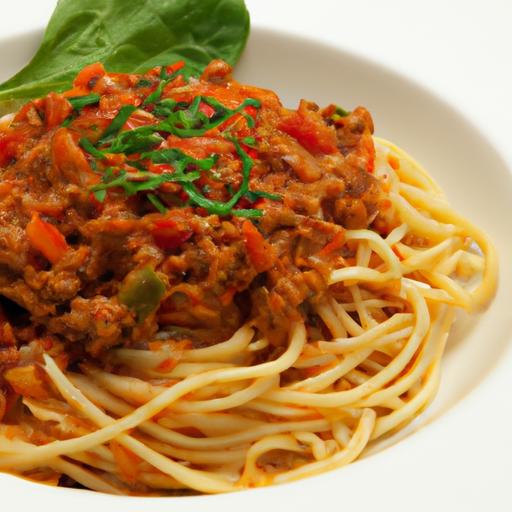



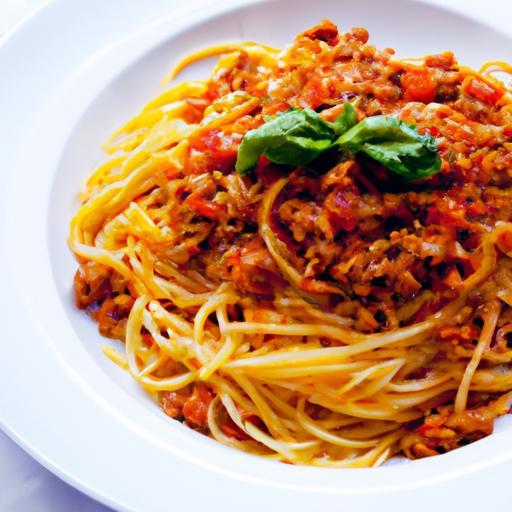
In the heart of Italy’s rich culinary tapestry lies a dish that has transcended generations adn borders alike: Bolognese Spaghetti. More than just a meal,this timeless classic weaves together centuries of tradition,regional pride,and hearty flavors into a symphony of taste that has captured the world’s palate.As we unravel the story behind this beloved pasta,we invite you on a flavorful journey through its origins,evolution,and the art of crafting the perfect Bolognese sauce-where simple ingredients transform into an unforgettable experience. Join us as we explore the essence of Italy’s iconic comfort food, a dish that continues to inspire both home cooks and chefs around the globe.
Bolognese Spaghetti embodies the rich culinary heritage of Italy, a dish that has evolved from its humble Emilian origins into a beloved classic enjoyed worldwide. The hearty,slow-simmered meat sauce,aromatic with vegetables and wine,offers comfort and complexity in every bite. This recipe captures the essence of customary Bolognese yet invites home cooks to explore and perfect their interpretation of this timeless Italian favorite.
Prep and Cook Time
- Planning: 20 minutes
- Cooking: 2 hours 30 minutes
- Total Time: 2 hours 50 minutes
Yield
- Serves 6 generous portions
Difficulty Level
- Medium - Requires attention to layering flavors and slow cooking
Ingredients
- 2 tbsp extra virgin olive oil
- 3 tbsp unsalted butter
- 1 medium onion, finely chopped
- 2 celery stalks, finely diced
- 2 large carrots, peeled and diced
- 4 garlic cloves, minced
- 250g (9 oz) pancetta, finely chopped
- 500g (1 lb) ground beef - preferably chuck or a mix of chuck and sirloin
- 250g (9 oz) ground pork
- 1 cup whole milk
- 1 cup dry white wine
- 800g (28 oz) canned San Marzano tomatoes, crushed by hand
- Salt and freshly ground black pepper, to taste
- 1 bay leaf
- 1/2 tsp freshly grated nutmeg
- 400g (14 oz) spaghetti
- Freshly grated Parmigiano-Reggiano cheese, to serve
Instructions
- Warm the olive oil and butter in a large heavy-bottomed pot over medium heat until melted and shimmering.
- Add the chopped onion, celery, and carrots, sautéing gently until soft and translucent, about 8-10 minutes. Stir often to prevent browning.
- Incorporate the garlic and pancetta, cooking until fragrant and pancetta slightly crisp, roughly 5 minutes.
- Add the ground beef and pork. Break the meat apart with a wooden spoon and brown evenly, about 8-10 minutes. Avoid crowding the pan to ensure proper browning rather than steaming.
- Pour in the milk and simmer gently until it evaporates almost entirely, about 10 minutes. this step mellows the acidity of the tomatoes and tenderizes the meat.
- Add the white wine and simmer until reduced by half, approximately 10-12 minutes, stirring occasionally.
- Stir in the crushed tomatoes, bay leaf, nutmeg, salt, and pepper. bring to a gentle simmer, reduce heat to very low, and cover partially.
- Let the sauce cook slowly for at least 2 hours, stirring every 20-30 minutes. Add a splash of water or broth if it becomes too dry.
- About 15 minutes before serving, bring a large pot of salted water to a boil. Cook the spaghetti al dente according to package instructions, usually 8-10 minutes.
- Drain the spaghetti reserving a cup of pasta water. Toss the spaghetti with a ladle of Bolognese sauce and some reserved water if needed to bind.
- Plate generously and ladle extra sauce on top. Finish with a sprinkle of freshly grated Parmigiano-Reggiano cheese and a light grind of black pepper.
Chef’s notes & Tips for success
- Choosing your meat: A blend of beef and pork adds depth and texture. For a leaner result, substitute half the pork with veal.
- Slow cooking is key: The long simmer extracts and melds flavors; resist upping the heat to speed up the process.
- Milk before wine: This classic technique reduces tomato acidity and enriches the sauce’s texture.
- Make-ahead tip: Bolognese tastes even better the next day. Cool wholly, refrigerate up to 3 days or freeze for up to 3 months.
- Alternative pasta shapes: while spaghetti is popular, traditional tagliatelle or pappardelle cradles the thick sauce beautifully.
- Gluten-free variant: Use gluten-free spaghetti and confirm that wine and broth have no additives containing gluten.
- Vegetable variations: Some cooks include finely chopped mushrooms or bell peppers, but this classic version remains focused on the soffritto base.
Serving Suggestions
Serve your Bolognese spaghetti steaming hot on rustic ceramic plates with a drizzle of high-quality extra virgin olive oil. Garnish with freshly torn basil leaves or flat-leaf parsley for a burst of freshness and color. A generous dusting of Parmigiano-Reggiano cheese enhances the umami richness, while a side of crusty Italian bread helps soak up the luscious sauce.
Complement the meal with a robust Italian red wine, such as a Chianti or a Barbera d’Alba, to highlight the sauce’s savory depth. For a full Italian dining experience, serve alongside a simple green salad dressed with lemon and olive oil.

| Nutrient | Per Serving |
|---|---|
| Calories | 520 kcal |
| Protein | 32 g |
| Carbohydrates | 45 g |
| Fat | 20 g |
For further inspiration, explore our Italian Pasta Recipes collection, or deepen your understanding of Italian regional cuisine with insights from the Slow Food Foundation.
Q&A
Q&A: Bolognese Spaghetti – Exploring Italy’s Timeless Classic
Q1: what makes Bolognese spaghetti a timeless classic in Italian cuisine?
A1: Bolognese spaghetti is a beloved staple because it embodies the heart and soul of Italian cooking-simple ingredients transformed through patience and tradition. Its rich, meaty sauce, slow-simmered with fresh tomatoes, aromatic vegetables, and often a splash of wine or milk, creates a depth of flavor that’s both comforting and sophisticated. This dish bridges rustic home cooking with gourmet allure, making it a perpetual favorite around the world.
Q2: How did Bolognese sauce originate and what is its authentic form?
A2: Originating from Bologna, in the Emilia-Romagna region, traditional Bolognese sauce (or Ragù alla Bolognese) was crafted as a hearty meat ragout meant to cling to broad pasta shapes like tagliatelle. The authentic recipe emphasizes minced beef, pancetta, soffritto (onion, carrot, and celery), gentle simmering, and a touch of cream or milk to soften acidity. While spaghetti is popularly paired with it internationally, purists favor it with wider noodles that catch the chunky sauce better.
Q3: What are the key ingredients that define a grate bolognese sauce?
A3: The magic of Bolognese lies in its freshness and balance. Key players include high-quality ground beef (sometimes combined with pork), soffritto for aromatic base, ripe plum tomatoes or tomato paste for richness, a splash of dry white wine, and dairy-usually milk or cream-to round out the acidity. A slow, patient simmer melds these elements into a luscious, velvety sauce.Q4: Can Bolognese sauce be adapted for different diets or preferences?
A4: Absolutely! While classic Bolognese is meat-centric, there are clever variations to suit various tastes. For vegetarians or vegans,lentils,mushrooms,or textured vegetable proteins can mimic the sauce’s hearty texture.Gluten-free pasta alternatives mean everyone can enjoy this dish. Herbs, spices, and vegetable stocks can be adjusted to create personal takes without sacrificing the essence of the sauce.Q5: What tips are essential for perfecting Bolognese spaghetti at home?
A5: Patience is paramount-allow your sauce to simmer low and slow, ideally for 2 hours or more, letting flavors meld and intensify. Use fresh, quality ingredients and avoid rushing the sauté of the soffritto; that step builds crucial flavor foundations. Don’t forget to season incrementally and taste often. toss your spaghetti right before serving to marry strands with the sauce’s luscious coat, finishing with a generous sprinkle of Parmigiano-Reggiano.
Q6: Why has Bolognese spaghetti transcended its regional roots to become an international icon?
A6: Its universal appeal stems from its hearty, comforting nature and ability to evoke the warmth of Italian hospitality. As Italian immigrants spread across the globe, so did their culinary traditions, with Bolognese sauce easily adapting to new contexts. Simple yet deeply flavorful, it invites everyone to experience a little piece of Italy in their own kitchen, transcending both time and borders.
Q7: How can one best experience Bolognese spaghetti in Italy today?
A7: To savor true Bolognese tradition, a trip to Emilia-Romagna is unbeatable-where trattorias serve authentic Ragù alla Bolognese with tagliatelle alongside local wines. Yet, the beauty of this dish is its worldwide reach; weather in a bustling city trattoria or a cozy home kitchen, each plate carries the whisper of Italy’s culinary heritage, connecting past and present through every flavorful bite.
insights and Conclusions
As the rich aroma of simmering tomatoes and tender minced meat lingers in the kitchen, Bolognese spaghetti stands as a delicious testament to Italy’s culinary heritage-simple, soulful, and endlessly satisfying. This timeless classic is more than just a meal; it’s a story told through generations, a blend of tradition and regional pride simmered to perfection. Whether you’re twirling your fork in a cozy trattoria in Bologna or recreating the magic at home, Bolognese spaghetti invites you to savor a true taste of Italy’s heart and history-one flavorful bite at a time.