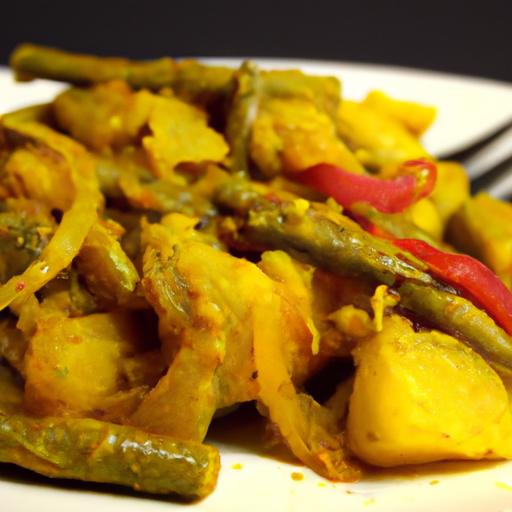



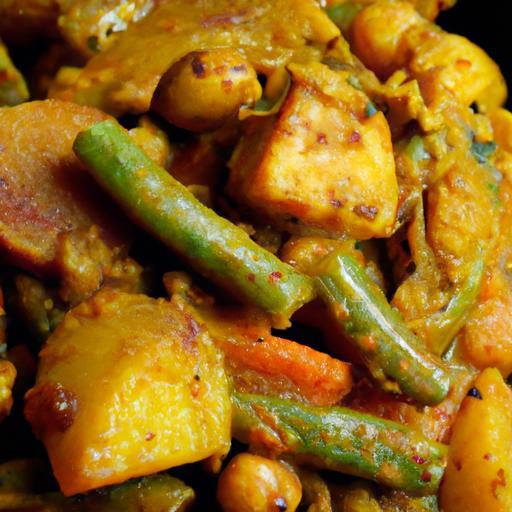
Step into a world where vibrant aromas dance from simmering pots, and every spoonful bursts with layers of earthiness, warmth, and zest. Indian cuisine,celebrated for its rich tapestry of spices and bold flavors,offers a treasure trove of inspiration for plant-based cooking. In this guide to flavorful vegan Indian curries, we unravel teh secrets behind the magic of spices-those potent ingredients that transform humble vegetables and legumes into mouthwatering masterpieces. Whether you’re a seasoned cook or a curious newcomer, join us as we explore the artful blend of turmeric, cumin, coriander, and more, unlocking the essence of Indian vegan curries that nourish both body and soul.
Flavorful Vegan Indian Curries: A Guide to Plant-Based Spices
Flavorful vegan Indian curries come alive through the artful use of essential spices and fresh herbs that transform humble plant ingredients into aromatic masterpieces. Drawing from centuries-old traditions, each curry blends layers of warmth, heat, and earthiness that tantalize the senses and celebrate the vibrant tapestry of Indian cuisine. As a culinary content creator and food stylist passionate about plant-based dishes, I’m excited to guide you through mastering these spice blends that elevate your vegan meals to unforgettable experiences.
Prep and Cook Time
- Planning: 15 minutes
- Cooking: 35 minutes
- Total time: 50 minutes
Yield
- Serves 4 generous portions
Difficulty Level
- Medium - perfect for home cooks wanting to deepen their spice knowledge
Ingredients
- 2 tbsp vegetable oil (mustard or sunflower oil preferred)
- 1 tsp cumin seeds
- 1 medium onion, finely chopped
- 4 cloves garlic, minced
- 1 tbsp fresh ginger, grated
- 2 medium tomatoes, pureed
- 1 tsp turmeric powder
- 1 tsp coriander powder
- 1 tsp garam masala
- ½ tsp red chili powder (adjust to taste)
- ½ tsp ground cumin
- 1 cup coconut milk
- 2 cups mixed vegetables (cauliflower, peas, carrots)
- 1 cup cooked chickpeas or lentils
- Fresh coriander leaves, chopped, for garnish
- Salt, to taste
- 1 tbsp fresh lemon juice
Instructions
- warm the Oil and Toast Whole Spices: Heat the vegetable oil in a heavy-bottomed pan over medium heat. Once hot, add the cumin seeds and fry until fragrant and slightly sizzling, about 30 seconds. This awakens their oils and infuses depth.
- Sauté Aromatics: Add the chopped onion and sauté until translucent and golden, about 7 minutes. Stir frequently enough to ensure even browning. Incorporate minced garlic and grated ginger, cooking for another 2 minutes until aromatic but not burnt.
- Build the Spice Base: Pour in the tomato puree and simmer for 5 minutes, stirring occasionally. Add turmeric, coriander powder, garam masala, red chili powder, and ground cumin. Cook the mixture until the oil separates from the masala and the blend darkens slightly – around 4-5 minutes. This layering unlocks complexity.
- Add Vegetables and Protein: Toss in the chopped vegetables and cooked chickpeas. stir well to coat evenly with the masala. Pour in the coconut milk, stir gently, and bring the curry to a gentle simmer. Cover and cook for 15 minutes, until vegetables are tender but still shining.
- Season and Finish: Adjust salt to taste and stir in fresh lemon juice to brighten the flavors. Remove from heat, sprinkle chopped coriander leaves generously, and serve hot.
Chef’s Notes
- For a smokier profile, add 1-2 dried red chilies with the cumin seeds while toasting.
- Use fresh spices whenever possible; whole spices provide stronger aroma than pre-ground powders.
- Feel free to swap vegetables based on seasonality – spinach,okra,or eggplant work beautifully.
- Make-ahead tip: Curries often taste better the next day, allowing spices to meld. store in an airtight container in the fridge for up to 3 days.
- Use ghee or coconut oil for a richer finish, adjusting for vegan preferences.
Serving Suggestions
Serve this vibrant curry alongside fragrant basmati rice, soft whole wheat chapati, or warm naan for a complete meal.Garnish with toasted cashews for crunch or a dollop of coconut yogurt for creaminess. A side of crisp cucumber raita or fresh mango chutney balances the heat and rounds out the experience beautifully.

| Nutrient | per Serving |
|---|---|
| Calories | 280 kcal |
| Protein | 9 g |
| Carbohydrates | 38 g |
| Fat | 8 g |
Choosing and Storing Spices for Maximum Flavour
To achieve vibrant flavors in flavorful vegan Indian curries, source high-quality spices that are freshly ground or whole. Whole spices like cumin seeds, cloves, and cardamom pods preserve their essential oils longer than powders. Store them in airtight glass containers away from light and heat, ideally in a cool, dark cupboard. Replenish stocks every 6 months for peak potency.
Combining whole and ground spices at different stages enhances the dish’s depth-start by toasting whole spices to release their aroma, then add ground powders to build body and color. fresh herbs such as coriander and fenugreek leaves added towards the end brighten the dish and balance heat with refreshing notes.
For more details on spice storage techniques, check out this extensive guide.
Explore our detailed tutorial on mastering Indian spice blends for even deeper mastery and inspiring curry variations.
Q&A
Q&A: Flavorful Vegan Indian Curries – A Guide to Plant-Based Spices
Q1: What makes Indian curries so vibrant and flavorful,especially in vegan recipes?
A1: Indian curries are a symphony of spices,each playing a unique role in creating layers of flavor. In vegan curries,plant-based spices like cumin,coriander,turmeric,and garam masala become the star ingredients,transforming humble vegetables and legumes into aromatic masterpieces.The secret lies in toasting the spices to release their essential oils and carefully balancing heat, earthiness, and sweetness.
Q2: Which spices are essential for crafting authentic vegan Indian curries?
A2: Some key spices include cumin seeds (jeera), mustard seeds, turmeric (haldi), coriander powder (dhania), red chili powder, garam masala, asafoetida (hing), and fenugreek leaves (kasuri methi). These spices add depth, warmth, and complexity while keeping the curry entirely plant-based.
Q3: How can I elevate the flavors of basic vegetables with spices in vegan curries?
A3: Start by blooming whole spices like mustard and cumin seeds in hot oil to awaken their fragrance. Then, add powdered spices gradually, toasting them lightly before introducing vegetables. This method allows the spices to infuse every bite. For instance, potatoes and cauliflower soak up turmeric and garam masala beautifully, making the dish flavorful without any dairy or meat.Q4: What role do aromatic herbs play in vegan Indian curries?
A4: Aromatic herbs such as fresh cilantro and curry leaves add brightness and freshness, balancing the earthiness of the spices. Curry leaves, when fried briefly in oil, impart a subtle citrusy note that elevates the curry’s complexity, while cilantro adds a cooling contrast.
Q5: Can I create a creamy texture in vegan Indian curries without cream or yogurt?
A5: Absolutely! Cashew nuts soaked and blended into a paste create luscious creaminess. Coconut milk or coconut cream is another fantastic vegan alternative, adding a hint of sweetness that pairs well with fiery spices. For tanginess, tamarind or tomatoes add depth without dairy.
Q6: How do I adjust the spice levels while staying true to authentic flavors?
A6: Indian curries are flexible by design. Start with mild amounts of chili powder and increase gradually. Remember that spices like garam masala are more about warmth than heat, so balance chilies with rich spices and creamy elements to maintain harmony.
Q7: Are there any lesser-known spices that can surprise the palate in vegan curries?
A7: Yes! Kala jeera (black cumin) offers a smoky, earthy flavor different from regular cumin. Amchur (dried mango powder) adds tangy notes, brightening the curry. Asafoetida, used sparingly, mimics the umami of onions or garlic, making it invaluable in vegan cooking.
Q8: How can one store and handle spices to keep vegan curries fresh and flavorful?
A8: Spices are best stored in airtight containers away from light and heat to preserve their potency. Whole spices last longer than ground versions. Toasting whole spices just before use ensures maximum aroma,making your curry burst with fresh flavors every time.
Q9: Can I experiment with spices to create my own vegan Indian curry blends?
A9: Definitely! Once you understand the basics of balancing earthiness,heat,and sweetness,you can mix and match spices to develop unique blends. Start with small batches and taste as you go-this is where creativity meets tradition, and delicious innovations are born.
Q10: What is the best approach for beginners to start cooking flavorful vegan Indian curries?
A10: Begin with simple recipes that use whole spices and a handful of powdered spices. Focus on mastering the technique of tempering spices in oil and building flavors step-by-step. Pair your curry with staples like rice or flatbreads and enjoy the journey into the vibrant world of plant-based Indian cooking!
In Summary
As the rich aromas of cumin,coriander,and turmeric linger in the air,it’s clear that crafting flavorful vegan Indian curries is both an art and a delightful journey through a vibrant spice palette. Embracing plant-based spices not only elevates your dishes with authentic warmth and depth but also honors centuries of culinary tradition reimagined for today’s mindful eaters. Whether you’re a seasoned home chef or a curious beginner, this guide invites you to explore the bold symphony of flavors that indian vegan curries have to offer-proving that plant-based cooking can be anything but ordinary. So gather your spices, ignite your passion, and let every simmering pot tell a story of heritage, health, and heart.