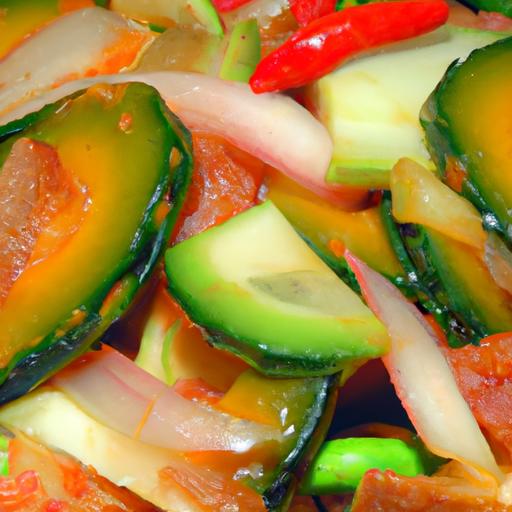



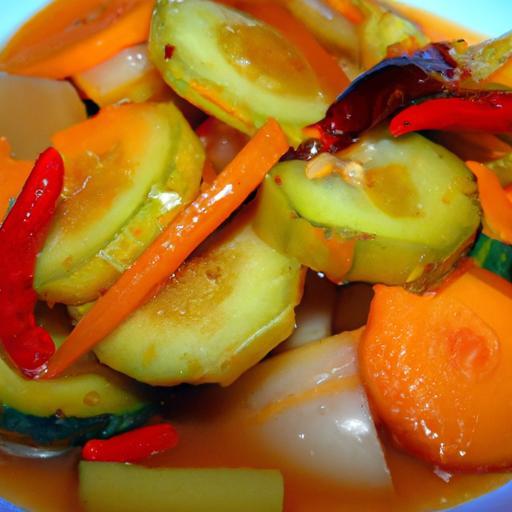
In teh vibrant tapestry of Malaysian cuisine, few condiments capture the essence of tradition and taste quite like acar. This tangy, colorful pickle is more than just a side dish-it’s a flavorful journey through the archipelago’s rich cultural heritage. From the zesty crunch of cucumbers and carrots to the subtle warmth of spices, malaysian acar offers a refreshing contrast that enliven every meal. In this article, we delve into the art of crafting these time-honored pickled treasures, uncovering the secrets behind authentic acar recipes and exploring how this beloved condiment continues to bridge generations with it’s irresistible bite. Join us as we explore the tangy traditions that make malaysian acar a staple on tables across the nation.
Tangy Traditions: Exploring Malaysian Pickled Acar Recipes
Malaysian pickled acar holds a special place in Southeast Asian cuisine, celebrated for its vibrant colors and uniquely tangy flavor that awakens the palate in every bite. This dish blends the heritage of local cultures with a zestful punch that brightens any meal. From hawker stalls to home kitchens, acar’s crunchy vegetables in a sharp, sweet-and-sour brine tell a tale of tradition, community, and culinary creativity.
Prep and Cook Time
- Planning Time: 20 minutes
- Marinating Time: 24 hours (for best flavor)
- Total Time: 24 hours 20 minutes
Yield
Serves 6 as a side dish
Difficulty Level
Easy – Perfect for both beginners and seasoned cooks seeking authentic Malaysian flavors
key Ingredients That Give Acar Its Distinct Tangy Flavor
At the heart of this dish’s irresistible tang lies the interplay between vinegar, tamarind juice, and a touch of palm sugar. freshly sliced cucumbers and carrots provide a crisp foundation, while fragrant fenugreek seeds, fiery bird’s eye chilies, and aromatic mustard seeds create a complex balance. Each bite delivers a vibrant dance of sour,sweet,and spicy notes-a testament to the careful layering of flavors passed down through generations.
Ingredients
- 1 cup cucumber,peeled and julienned
- 1 cup carrot,peeled and julienned
- ½ cup daikon radish,julienned
- 4 tbsp white vinegar
- 2 tbsp tamarind paste,diluted in ¼ cup warm water
- 3 tbsp palm sugar (or brown sugar as substitute)
- 1 tsp mustard seeds
- 1 tsp fenugreek seeds
- 3 cloves garlic,finely sliced
- 2-3 bird’s eye chilies,sliced thinly (adjust per heat preference)
- 1 tsp turmeric powder
- ½ tsp salt
- 1 tbsp vegetable oil
Step-by-Step Guide to Crafting Authentic Malaysian Pickled acar
- Prepare the vegetables: Wash and peel the cucumber,carrot,and daikon radish.Slice them thinly into uniform julienne strips to ensure even pickling and a satisfying crunch.
- Toast the seeds: In a dry pan over medium heat, toast the mustard and fenugreek seeds for about 2 minutes until aromatic. Remove and crush lightly using a mortar and pestle to release their oils.
- Sauté the aromatics: Heat the vegetable oil in the same pan.Add the sliced garlic and turmeric powder, sautéing until fragrant but not browned, about 1-2 minutes. Add the bird’s eye chilies and stir.
- Mix the pickling liquid: In a mixing bowl, combine white vinegar, tamarind water, palm sugar, salt, and the toasted seed mixture. Stir until the palm sugar dissolves fully, creating a balanced sweet and tangy base.
- Combine all elements: Toss the prepared vegetables with the aromatic oil mixture, then pour over the pickling liquid.Mix thoroughly ensuring every strip is coated.
- Marinate: Transfer to a sterilized jar or airtight container and refrigerate for at least 24 hours. This resting period allows the flavors to meld and intensify, resulting in that iconic Malaysian acar tang.
- Serve chilled: For best texture and flavor, serve your acar cold as a refreshing side to spicy satays, fragrant rice dishes, or crispy fried snacks.
Chef’s Notes and Tips for Success
- customize your heat: For a milder acar, reduce the bird’s eye chilies or substitute with sweet bell peppers.
- Texture matters: Slice vegetables uniformly for a visually pleasing dish and consistent pickling.
- Make-ahead magic: Acar can be prepared up to 3 days in advance; the flavors deepen beautifully over time.
- Vinegar alternatives: Use rice vinegar for a gentler acidity or white vinegar for a bold tang.
- storage advice: Store acar in a glass jar with an airtight seal. It usually keeps well in the fridge for up to 2 weeks.
Innovative twists and Serving Suggestions to Elevate Your Acar Experience
bring your acar to the next level by pairing it with grilled chicken satay skewers or incorporating it as a zesty topping on bánh mì sandwiches. Add roasted peanuts for extra crunch and sprinkle fresh cilantro or mint leaves as a bright,herbal garnish. For a contemporary touch, stir diced pineapple into the mix for bursts of tropical sweetness or blend acar into a tangy salad dressing to drizzle over leafy greens.
Don’t forget that acar’s crisp and tangy profile beautifully cuts through rich, fatty dishes-try it alongside a rich coconut curry or oily fried anchovies to balance the flavors effortlessly.

| Nutrition | Per Serving |
|---|---|
| Calories | 60 kcal |
| Protein | 1 g |
| Carbohydrates | 14 g |
| Fat | 2 g |
For an in-depth look at other traditional Malaysian condiments, explore our article on Malaysian Sambal: The Fiery Soul of Southeast Asia. Learn more about the nutritional profile of pickled foods from authoritative resources like The British Nutrition Foundation.
Q&A
Q&A: Tangy traditions – Exploring Malaysian Pickled Acar Recipes
Q1: What exactly is Acar, and why is it so beloved in Malaysian cuisine?
A: Acar is Malaysia’s vibrant answer to pickled vegetables-a tangy, crunchy medley often featuring cucumber, carrot, cabbage, and sometimes pineapple or long beans, all lovingly marinated in a luscious blend of vinegar, sugar, and spices. It’s beloved for its bright acidity and refreshing crunch, which perfectly complement the rich, spicy flavors typical of Malaysian dishes. Acar isn’t just a side; it’s a cultural icon that brings balance and zest to every meal.
Q2: How did Acar become a staple in Malaysia?
A: Acar’s roots trace back to Indian and Indonesian pickling traditions, introduced to Malaysia through centuries of trade and migration. Over time, Malaysians made it their own, infusing local ingredients and spices like turmeric, mustard seeds, and dried chilies, creating a uniquely Malaysian tangy tradition. It evolved not only as a preservation method but also as a flavorful contrast in the tropical palate.
Q3: What distinguishes Malaysian Acar from other pickles around the world?
A: Malaysian Acar is a harmonious dance of sweet, sour, salty, and spicy notes.Unlike Western pickles that frequently enough lean heavily on vinegar and dill, Acar incorporates a fragrant blend of turmeric (which gives it a warm golden hue), chili flakes, and mustard seeds. Some recipes also add toasted sesame seeds or fresh herbs, creating layers of flavor with every bite.the balance of sugar and vinegar is crucial – it’s never overly sour but always refreshingly tangy.
Q4: can you share the basics of making traditional Malaysian Acar at home?
A: Absolutely! Start with thinly sliced cucumbers, carrots, and cabbage. Toss them in a warm pickling liquid made from rice vinegar,sugar,salt,turmeric powder,mustard seeds,and dried chilies.After letting it cool, pour the liquid over the veggies and let them marinate for at least a few hours, preferably overnight. The longer it rests, the more the flavors meld into a tantalizing tang. Homemade Acar is a fast, colorful way to brighten any meal!
Q5: are there regional variations of Acar within Malaysia?
A: Yes! In Penang, for example, Acar often includes pineapple for a fruity punch, while some East Coast versions incorporate fresh herbs and even dried shrimp for umami depth. Certain coastal communities might add more chilies for heat, reflecting the local palate. These regional nuances show how Acar adapts and thrives, reflecting Malaysia’s rich cultural tapestry.
Q6: How is Acar typically enjoyed in Malaysian meals?
A: Acar is the perfect foil to hearty, spicy dishes. It’s commonly served alongside nasi lemak, grilled fish, or rendang, cutting through richness with its brightness.It also shines as a cooling snack or part of a nasi campur (mixed rice) spread. The crunchy texture and zesty flavor awaken the palate, making every bite a celebration of contrast.
Q7: Can Acar be customized for different dietary preferences?
A: definitely! Acar is naturally vegetarian and can easily be made vegan. For those avoiding sugar, alternative sweeteners like palm sugar or stevia can be used.If you prefer less heat, simply reduce or omit the chilies. Because it’s all about balancing the tang, sweet, and spice, you can adjust the recipe to suit your taste buds without losing its signature zing.
Q8: Why should adventurous food lovers explore Malaysian Acar?
A: malaysian Acar is a delicious gateway to understanding the country’s rich culinary heritage. Its tangy, spicy, and sweet harmony tells stories of trade, migration, and cultural fusion wrapped in a humble pickle jar. For adventurous eaters, it offers a refreshing twist on preservation, flavor-packed crunch, and a vivid taste of Malaysian tradition that can awaken any dish or inspire bold new creations in your kitchen. Give it a try-you might just find your new favorite condiment!
Concluding Remarks
As the vibrant hues and zesty flavors of Malaysian pickled acar dance on your palate, it becomes clear that this humble condiment is so much more than a side dish-it is indeed a vibrant thread woven into the rich tapestry of Malaysia’s culinary heritage. Whether spooned atop a nasi lemak plate or paired with spicy satay, acar carries stories of cultural fusion, tradition, and the timeless art of preservation. By exploring these tangy traditions, we not only savor a burst of flavor but also connect with the diverse communities that have shaped Malaysian cuisine over generations. So next time you whip up a jar of this bright, crunchy delight, remember: you’re tasting history, culture, and creativity-all brimming within every tangy bite.