



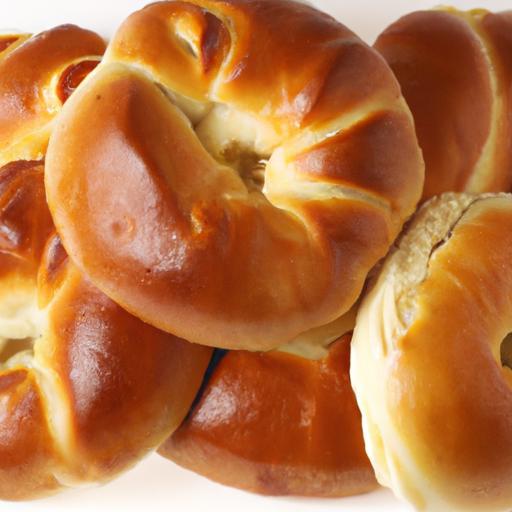
Hidden within the heart of Czech culinary tradition lies a delightful treasure that has traveled kitchens and borders alike-the beloved kolache. More than just a sweet pastry, an authentic Czech kolache is a story baked into dough, a delicate balance of flavor and heritage that has warmed generations. In this article, we will uncover the secrets behind crafting a true Czech kolache, exploring the ingredients, techniques, and cultural nuances that transform simple components into a mouthwatering masterpiece. Whether you’re an adventurous baker or a curious foodie,prepare too embark on a flavorful journey that honors centuries-old traditions and invites you to bring a taste of the Czech Republic right into your own home.
Discover the Secrets of an Authentic Czech Kolache Recipe is a delightful journey into one of Central Europe’s most cherished baked treats. Rooted deeply in Czech culture, kolaches are more than just pastries; they are a symbol of heritage, family celebrations, and the art of slow, careful baking. Originating from the Moravian region, kolaches combine a tender, flaky dough with luscious fillings that reflect a mosaic of flavors from sweet fruit preserves to rich cheeses and savory meats. As a Culinary content Creator and Food Stylist, I’ve found that mastering traditional dough techniques and selecting authentic fillings unlocks the essence of this beloved dish. Whether you’re new to Czech baking or an enthusiast eager to perfect your craft, this recipe will inspire your kitchen adventure.
Prep and Cook Time
- Preparation: 45 minutes
- Proofing: 1 hour 15 minutes
- Baking: 15-20 minutes
- Total Time: Approximately 2 hours 20 minutes
Yield
Makes 12 medium-sized kolaches, perfect for sharing or storing for a week of indulgence.
Difficulty Level
medium – Requires patience with dough handling and proofing but approachable for home bakers eager to elevate their skills.
Ingredients
- 3 1/2 cups all-purpose flour, sifted
- 1 packet (2 1/4 tsp) active dry yeast
- 1 cup whole milk, warmed (about 110°F / 43°C)
- 1/2 cup unsalted butter, melted and cooled
- 1/3 cup granulated sugar
- 3 large egg yolks
- 1 tsp pure vanilla extract
- 1/2 tsp salt
- For filling: traditional fruit preserves like apricot or plum, sweetened farmer’s cheese, or poppy seed filling
- Optional: 1 egg beaten with 1 tbsp milk for egg wash
- Powdered sugar for dusting after baking
Instructions
- Activate the yeast: In a small bowl, whisk the yeast into the warm milk with 1 tsp sugar. Let it sit for 5-10 minutes until frothy and bubbly.
- Prepare the dough base: in a large mixing bowl, combine the sifted flour, salt, and remaining sugar. Create a well in the center.
- Mix wet ingredients: Whisk together melted butter, egg yolks, and vanilla extract. Pour the yeast mixture and wet ingredients into the flour well.
- Knead the dough: Using a stand mixer with a dough hook or your hands, knead the dough for 8-10 minutes until it is smooth, elastic, and slightly sticky but manageable. Add a touch more flour if excessively sticky.
- First proof: Lightly grease a large bowl with butter or oil, place the dough inside, and cover with a clean kitchen towel. Allow the dough to rise in a warm spot for 1 hour or until doubled in size.
- Shape the kolaches: Gently deflate the dough and transfer to a floured surface. Divide into 12 equal pieces (about 80g each). Roll each piece into a smooth ball, then flatten slightly. Using your thumbs, create a well in the center for the filling.
- Fill and rest: Spoon about 1 tbsp of your chosen filling into each indentation. Cover the shaped kolaches with a towel and let them rise for 30 minutes to develop a light puffiness.
- Preheat the oven: Set to 375°F (190°C). line a baking sheet with parchment paper or a silicone baking mat.
- Apply egg wash: Brush the edges of each kolache gently with the egg wash mixture for a glossy golden finish.
- Bake to perfection: Place the tray in the oven and bake for 15-20 minutes until the kolaches are golden brown and the dough is fully cooked through.
- Cool and garnish: Transfer kolaches to a wire rack. Dust with powdered sugar once cooled slightly, enhancing their inviting appearance.
Tips for Success
- Temperature matters: Always use warm (not hot) milk for yeast activation to avoid killing the yeast.
- Kneading is key: Properly kneaded dough will be elastic and soft but not sticky-this ensures flaky layers after baking.
- Rest twice: Allow the dough to rise fully twice to achieve the signature light and tender crumb.
- Fillings: Opt for homemade fruit preserves with a balance of sweet and tart flavors or try a creamy sweet cheese filling made with farmer’s cheese or cream cheese.
- Make ahead: You can shape kolaches and freeze them on a baking sheet before proofing.Once frozen, transfer to a ziplock bag. When ready, thaw and proof before baking.
- Visual appeal: For an artistic touch, add a small garnish of grated lemon zest or a few toasted poppy seeds atop sweet fillings before baking.
Serving Suggestions
Kolaches are best served fresh and warm alongside a steaming cup of coffee or traditional czech tea.For brunch or a festive table, pair them with an assortment of jams, fresh berries, or whipped cream to complement the fillings. Garnish with a light dusting of powdered sugar or a sprinkle of finely chopped nuts for texture contrast.These pastries also shine as an inviting snack during gatherings-arranged on a rustic wooden platter, their golden hues and vibrant fillings will captivate every eye.
| Nutrient | Per Kolache (approx.) |
|---|---|
| Calories | 220 kcal |
| Protein | 5 g |
| carbohydrates | 28 g |
| Fat | 9 g |

Immerse yourself in the tradition,savor each bite,and let this recipe guide you toward authentic Czech kolaches worthy of any festivity. For more on regional pastries, check out our Classic Czech Desserts collection.Curious about the science of yeast baking? Visit King Arthur Baking’s Bread Science Guide for expert insights.
Q&A
Q&A: discover the Secrets of an authentic Czech Kolache Recipe
Q1: What exactly is a Czech kolache?
A1: A Czech kolache (plural: koláče) is a traditional pastry hailing from the heart of Central Europe. Imagine a soft, slightly sweet yeast dough encasing a luscious dollop of fruit jam, creamy cheese, or sometimes even poppy seed filling. It’s more than just a treat-it’s a bite of Czech heritage, often enjoyed with coffee or tea.
Q2: How does a kolache differ from a typical fruit pastry?
A2: While fruit pastries come in many shapes and sizes worldwide, kolache are unique in their pillowy yeast-based dough and their artful open face showcasing the vibrant filling. The balance of sweet, tender dough paired with tangy or rich fillings sets kolache apart. Plus, the toppings can range from apricot and plum jams to sweetened farmer’s cheese or ground poppy seeds, offering a versatile flavor palette.
Q3: What are the key ingredients that make kolache authentic?
A3: Authentic kolache rely on simple yet quality ingredients: flour, yeast, milk, butter, eggs, sugar, and a pinch of salt for the dough. The fillings must be fresh-traditional favorites include homemade fruit preserves, farmer’s cheese sweetened with vanilla and sugar, or ground poppy seeds blended with honey and nuts. The magic lies in the balance and freshness.
Q4: Is making kolache complicated for a home baker?
A4: Not at all! While kolache might seem artisanal,the process is quite manageable. The yeast dough needs time to rise, which is a patient baker’s friend, but once you get the rhythm of mixing, proofing, shaping, and filling, it becomes a rewarding ritual. The secret is in gently handling the dough and not rushing the rising time-this yields that signature softness.
Q5: Are there any secret tips for achieving the perfect kolache texture?
A5: Absolutely. One key secret is using lukewarm milk and melted butter to activate the yeast gently without killing it. Don’t overload the dough with flour-aim for a slightly sticky consistency to ensure fluffiness after baking. Another insider tip: let the kolache cool slightly after baking but eat them warm to enjoy that pillowy-soft texture with the gooey filling.
Q6: Can kolache fillings be customized beyond traditional options?
A6: While classic Czech kolache fillings remain beloved, creativity is welcomed! Modern bakers experiment with cream cheese blends, fresh berries, or even savory twists like sausage and cheese. However, for purists seeking authenticity, sticking with fruit jams, poppy seed, or farmer’s cheese preserves the spirit of tradition.
Q7: Where can one traditionally find kolache in Czech culture?
A7: Kolache have deep roots in Czech celebrations and family gatherings-they’re often served during holidays, weddings, or Sunday brunches. You’ll find these pastries gracing bakery shelves across the Czech Republic, and thanks to Czech immigrants, they’ve become cherished treats in communities worldwide, especially in Texas!
Q8: What’s the best way to enjoy kolache once they’re baked?
A8: Kolache are best enjoyed fresh and slightly warm, perhaps straight from the oven or reheated gently. Pair them with a cup of strong coffee, tea, or even a glass of cold milk. Their comforting texture and sweet, tangy filling make for a perfect morning pick-me-up or an afternoon indulgence.
Unveil the soul of czech baking by trying your hand at kolache-each bite tells a story centuries in the making, blending simple ingredients with a whole lot of love and tradition.
Key Takeaways
As you’ve uncovered the layers behind an authentic Czech kolache-each tender dough swirl, the whisper of fruit or cheese filling, and the heritage baked into every bite-you’re now equipped to bring a cherished tradition from Bohemia straight to your own kitchen. Whether you’re sharing these sweet treasures with loved ones or savoring a quiet moment of indulgence, the kolache is more than just a pastry; it’s a delicious link to a rich cultural story waiting to be told anew. So roll up your sleeves, embrace the humble art of kolache-making, and let each warm, fragrant pastry transport you to the heart of Czech hospitality.