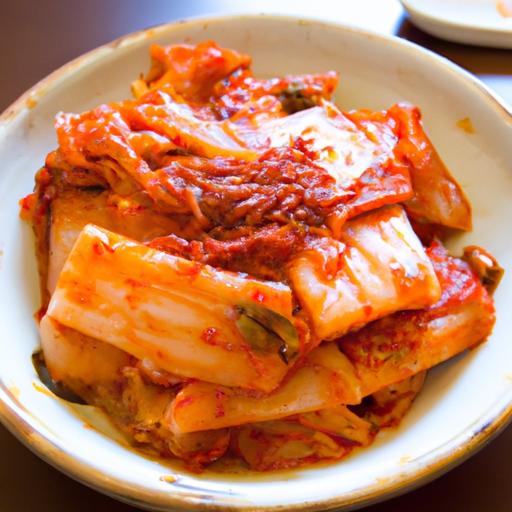



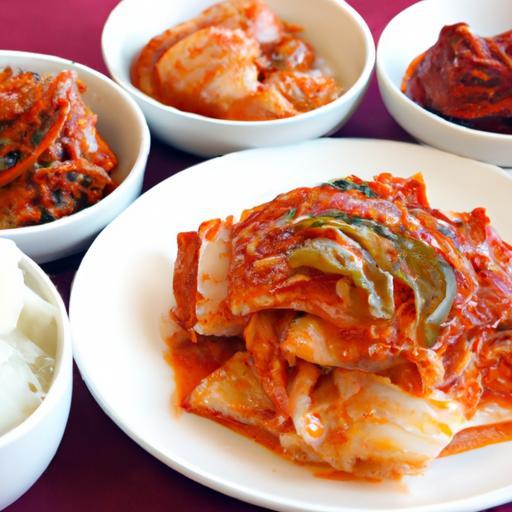
In the vibrant tapestry of Korean cuisine, kimchi stands as a flavorful emblem-an age-old tradition steeped in history, culture, and a dance of bold, tangy spices. “Unlocking Flavors: timeless Traditional Korean Kimchi Recipes” invites you on a culinary journey to discover the secrets behind Korea’s iconic fermented masterpiece. From humble cabbage brined in fiery chili flakes to lesser-known regional varieties bursting with character,these recipes unlock more than just taste-they offer a window into the soul of a culture that has perfected the art of transforming simple ingredients into a dynamic,living flavor. Join us as we explore the rich heritage and intricate craft that make kimchi a beloved staple across generations and borders alike.
The Art of Fermentation: Unlocking Flavors with Authentic Kimchi
Unlocking flavors in traditional Korean kimchi is a transformative culinary journey that reveals the magic of fermentation. Rooted deeply in Korean culture, kimchi is more than a side dish-it’s a vibrant expression of heritage, patience, and artistry. From the fiery spice of southern coastal provinces to the mild, herbaceous notes in northern regions, each batch tells a story through its unique fermentation and ingredient harmony.
Prep and Cook Time
- Planning: 1 hour 30 minutes
- Fermentation: 3-7 days (depending on temperature and preference)
Yield
- Approximately 4 quarts (serves 8-10)
Difficulty Level
- Medium - Best for adventurous home cooks ready to master fermentation.
Ingredients
- 2 medium Napa cabbages (about 4 lbs), quartered and halved lengthwise
- 1/2 cup sea salt (for salting cabbage)
- 4 cups water
- 1 cup Korean coarse sea salt (or kosher salt) (for brine)
- 1 Korean radish (about 1 lb), peeled and julienned
- 4 green onions, sliced into 2-inch sections
- 8 cloves garlic, finely minced
- 1 tablespoon ginger, freshly grated
- 1/4 cup anchovy sauce (or fish sauce)
- 1/4 cup sweet rice flour (glutinous rice flour)
- 1/2 cup Korean red chili pepper flakes (gochugaru) (adjust to taste)
- 2 tablespoons sugar
- Optional: 1 small carrot, peeled and julienned (adds sweetness and color)
Instructions
- Prepare the cabbage: Rinse the cabbages and quarter each. Soak in a large bowl with 1/2 cup sea salt evenly sprinkled between leaves and 4 cups water. Massage the salt into the leaves,then soak for 1 to 2 hours,turning every 30 minutes until softened and pliable.
- Rinse thoroughly: Drain the cabbage and rinse well under cold water 3-4 times to remove excess salt. Let drain in a colander for 30 minutes.
- Make the rice paste: in a small pot, whisk 1/4 cup sweet rice flour with 1 cup water over medium heat. Stir constantly until thickened to a porridge-like consistency (about 5 minutes). Let cool entirely.
- Prepare the kimchi paste: In a large mixing bowl, combine the cooled rice paste, chopped garlic, grated ginger, anchovy sauce, sugar, and gochugaru. Adjust chili flakes according to your spice preference.
- Add vegetables: Incorporate julienned radish, carrots (if using), and sliced green onions into the spicy paste. Mix well to coat all ingredients evenly.
- Mix with cabbage: Wearing food-safe gloves, spread the kimchi paste evenly between each cabbage leaf, ensuring every fold is generously coated.
- Pack tightly: Place the coated cabbages in airtight glass containers or traditional onggi (fermentation crocks), pressing down to squeeze out air bubbles and compact the kimchi.
- Ferment: Leave the kimchi to ferment at room temperature (65-72°F) for 3-5 days,depending on the season and desired tang. Taste daily after day 3 to check the progression. Once it’s pleasantly sour and bubbly, transfer to the refrigerator to slow fermentation and deepen flavor.
- Store: Kimchi improves with age but can be enjoyed fresh as well. Best consumed within 3 weeks refrigerated for optimal taste and texture.
Tips for Success
- Salting is key: Properly salting the cabbage is essential to draw moisture out, soften the leaves, and create a crisp yet tender texture.
- Adjust fermentation time: Warmer environments accelerate fermentation, so reduce time accordingly to avoid over-souring.
- Customize heat: Gochugaru intensity varies between brands. Start with less and add as needed to find your perfect level of spice.
- Make-ahead: Prepare the paste and vegetable mix ahead and refrigerate for up to 24 hours to deepen flavors before mixing with cabbage.
- Keep it submerged: Use a weight or smaller lid to ensure kimchi stays submerged under its brine, preventing mold development.
serving Suggestions
Serve kimchi as a vibrant, zesty side alongside Bibimbap or use it to elevate simple dishes like fried rice and soups. Garnish with fresh sliced green onions or toasted sesame seeds for added brightness and texture. for a cooling contrast, offer a dollop of vegan yogurt or a drizzle of toasted sesame oil.

| Nutrient | per Serving (1/8 batch) |
|---|---|
| Calories | 35 kcal |
| Protein | 2 g |
| Carbohydrates | 7 g |
| Fat | 0.5 g |
For additional insights on fermentation science, explore this extensive article at ScienceDirect.
Q&A
Q&A: Unlocking Flavors – Timeless Traditional Korean Kimchi Recipes
Q1: What makes kimchi such an iconic dish in Korean cuisine?
A: Kimchi is more than just a side dish; it’s a cultural treasure that embodies Korean heritage,history,and community. Its bold, fermented flavors tell a story of preservation and patience passed down through generations. The harmony of spicy, tangy, salty, and umami notes creates a complex taste that awakens the palate and complements almost every Korean meal.
Q2: Why is fermentation essential in traditional kimchi recipes?
A: Fermentation is the magic behind kimchi’s depth of flavor and health benefits. It transforms humble ingredients like napa cabbage and radish into a probiotic-rich powerhouse.The natural microbes break down sugars into lactic acid, giving kimchi its signature tang and preserving it for months, frequently enough improving in taste over time.Q3: What are the classic ingredients in a traditional kimchi recipe?
A: At its heart, classic kimchi starts with salted napa cabbage and Korean radish, combined with a vibrant paste of gochugaru (Korean red chili flakes), garlic, ginger, fish sauce or salted shrimp, and a touch of sugar. Green onions and sometimes carrots add freshness and texture. Each ingredient contributes to the layers of flavor and legendary aroma.Q4: How can one unlock deeper flavors when making kimchi at home?
A: patience and quality ingredients are the keys. start by thoroughly salting the cabbage to draw out moisture and create crunch. Use fresh, high-quality chili flakes and authentic fish sauce for true depth. Allow the kimchi to ferment at room temperature for a few days to jumpstart the process, then slow it down in the fridge. Don’t be afraid to taste as it matures-each stage offers a new flavor adventure.Q5: Are there regional variations of kimchi worth exploring?
A: Absolutely! Korea’s diverse regions bring unique twists to kimchi. For instance, southern coastal areas favor sweeter, seafood-rich versions using salted anchovies or oysters, while northern recipes tend to be milder with less spice. Exploring these variations can unlock an entirely new gratitude for the versatility of kimchi.
Q6: How did kimchi become a staple in Korean households?
A: Historically, kimchi was a necessity for surviving harsh Korean winters when fresh vegetables were scarce. Fermentation provided a way to store nutritious food long-term. Over centuries, kimchi-making became a communal ritual-families gathering for “kimjang”-and solidified its role as the heart of Korean dining and tradition.
Q7: Can traditional kimchi recipes be adapted for modern diets or preferences?
A: yes! While honoring tradition is critically important, kimchi can be tailored to suit various dietary needs. Vegetarian kimchi swaps fish sauce for seaweed or miso for umami, and reduced-spice versions welcome new fans. The fundamental fermentation process remains, allowing anyone to experience the magic of kimchi’s flavors in their own way.
Q8: What role does kimchi play in Korean culture beyond food?
A: Kimchi symbolizes community,craftsmanship,and resilience. the annual kimjang season exemplifies sharing and cooperation, reinforcing bonds among neighbors and families. It’s also celebrated in festivals, art, and even literature-reflecting how deeply kimchi is woven into the Korean identity.
This Q&A invites readers to dive deeper into the timeless world of traditional Korean kimchi, unlocking not just recipes but the stories and culture that make it a truly unforgettable flavor experience.
To Wrap It Up
As we close the lid on this flavorful journey through timeless traditional Korean kimchi recipes, one thing becomes clear: kimchi is far more than a side dish-it is indeed a vibrant tapestry of history, culture, and culinary artistry. Each punch of spice and crisp crunch tells a story passed down through generations, inviting us to savor not just the ingredients, but the heritage they embody. Whether you’re a seasoned fermenter or a curious novice, unlocking the secrets of kimchi opens the door to endless flavor possibilities and a deeper appreciation for Korea’s rich gastronomic legacy.So, gather your ingredients, roll up your sleeves, and let the transformative magic of kimchi bring warmth and zest to your kitchen today.