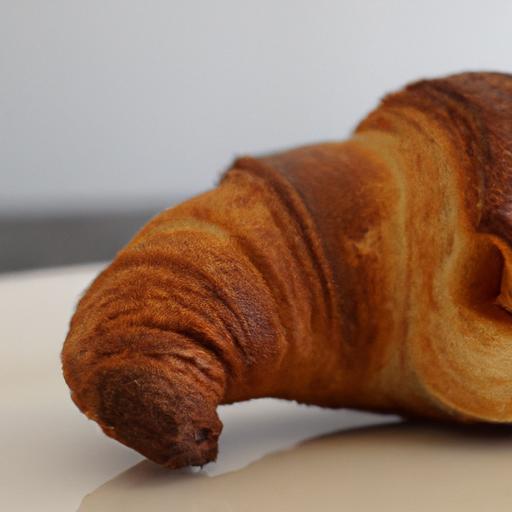




There’s something undeniably magical about a perfectly baked croissant-the delicate layers of golden, flaky pastry that practically melt in your mouth, releasing buttery bliss with every bite.While these iconic French treats may seem like the realm of professional bakers, the truth is that making homemade croissants can be both approachable and incredibly rewarding. Welcome to Flaky & Fabulous: Your Guide to Easy Homemade Croissants, where we’ll unlock the secrets of crafting bakery-worthy croissants right in your own kitchen. from mastering the art of laminating dough to achieving that irresistible crispness, this guide is your passport to flaky perfection, transforming humble ingredients into a morning masterpiece. So roll up your sleeves, prepare for a bit of buttery fun, and get ready to impress yourself-and everyone you share them with!
Flaky & Fabulous: Your Guide to Easy Homemade Croissants
Flaky & Fabulous croissants capture the essence of French patisserie magic in every buttery, golden layer. These delicate pastries, with their irresistible crispiness and soft, honeycombed interiors, are a triumph of technique and patience. Originating from Vienna but perfected in Paris, croissants symbolize artistry in laminated dough, making each bite a party of craftsmanship and flavor.
Prep and Cook Time
- Preparation: 4 hours (including chilling and resting)
- Cook time: 15-20 minutes
- Total Time: Approximately 4 hours 30 minutes
Yield
Makes 12 medium-sized croissants
Difficulty Level
Medium - Perfect for confident home bakers eager to master laminated dough
ingredients
- 4 cups (500g) all-purpose flour, sifted
- 1/2 cup (120ml) whole milk, warm (about 95°F/35°C)
- 1/4 cup (50g) granulated sugar
- 2 teaspoons active dry yeast
- 1 1/2 teaspoons fine sea salt
- 3 tablespoons unsalted butter, melted
- 1 cup (225g) cold unsalted butter, for lamination (must be very cold)
- 1 large egg, beaten (for egg wash)
Step by Step Techniques to Master Laminated Dough
- Activate the yeast: In a small bowl, combine warm milk with sugar and yeast. Stir gently and let it bloom until foamy, about 5-7 minutes.
- Make the dough: In a large mixing bowl, whisk together sifted flour and salt. Add melted butter and the foamy yeast mixture. Mix until a shaggy dough forms.
- Knead: Turn the dough onto a lightly floured surface and knead until smooth and elastic, about 8-10 minutes. It should be slightly tacky but not sticky.
- First rest: Shape dough into a rectangle, wrap in plastic wrap, and chill for 30 minutes.
- Prepare the butter block: Using parchment,shape the cold butter into a 7×7 inch square by pounding and folding. Keep chilled but pliable.
- Laminate: Roll the dough into a 10×20 inch rectangle. Place the butter block on half the dough and fold the other half over, sealing the edges.
- First fold (book fold): Roll the dough-butter sandwich into a 10×20 inch rectangle again, then fold into thirds like a book. Wrap and chill for 30 minutes.
- Second and third folds: Repeat the rolling and folding process two more times, chilling the dough 30 minutes between each fold. This layering traps butter and dough, creating flaky sheets.
- Shape the croissants: Roll the laminated dough to a 12×24 inch rectangle, 1/4 inch thick. Cut into 12 triangles. Stretch each triangle gently, roll from the wide base to the tip, curving the ends into a crescent.
- proof: Place croissants on baking sheets lined with parchment,leaving space to rise. Cover loosely and proof at room temperature until doubled in size, about 1.5-2 hours.
- Egg wash and bake: Preheat oven to 400°F (200°C). Brush the croissants with beaten egg for a lustrous finish. Bake for 15-20 minutes until deeply golden and puffed.
Baking tips and Troubleshooting for Golden, Fluffy Croissants
To unlock flaky perfection, temperature control is key. Keep your butter cold but pliable-too warm and it will leak, too cold and it will crack the dough. Use a sharp knife or pizza cutter to ensure clean triangle edges for smooth rolling.
If croissants flatten out during proofing, it may mean your yeast is overactive or the dough is too warm; try proofing in a cooler spot. Under-proofed ones won’t develop the signature honeycomb layers.
Always preheat your oven fully for a crisp crust and use an oven thermometer to maintain accuracy. For added shine, brush a second egg wash halfway through baking.
Chef’s Notes
- Butter substitute: High-quality European-style butter with ~82% fat content yields best flakiness.
- Flour variations: Some bakers blend all-purpose with pastry flour for a tender crumb.
- Make-ahead: You can freeze shaped, unbaked croissants. Thaw in the fridge overnight and bake fresh the next day.
- Flavor twists: Add fillings like almond cream, chocolate, or ham and cheese for savory versions.
- Troubleshooting: Tough dough often results from over-kneading; be gentle but thorough during initial mixing.
Serving Suggestions
Serve freshly baked croissants warm,paired with creamy butter,homemade jam,or a drizzle of honey. Garnish with a light dusting of powdered sugar for a delicate touch or slivered almonds for texture. For a café-style breakfast, pair with a cappuccino or fresh orange juice.

| Nutrient | Per Serving (1 croissant) |
|---|---|
| Calories | 290 |
| Protein | 6g |
| Carbs | 27g |
| Fat | 17g |
For a deeper dive into pastry science and flour types, check out this King Arthur baking guide.Enhance your bread baking skills by exploring our Ultimate Sourdough Beginner’s Guide for complementary techniques on fermentation and dough handling.
Q&A
Q&A: Flaky & Fabulous – Your Guide to Easy Homemade Croissants
Q1: Why are homemade croissants frequently enough better than store-bought ones?
A: Homemade croissants bring that fresh-from-the-oven magic you just can’t buy pre-packaged. You control the ingredients, the butter quality, and the baking time, resulting in irresistibly flaky layers with a buttery aroma that fills your kitchen-plus, the pride of saying, “I made these!”
Q2: Croissants seem elaborate. Is making them really doable for a home baker?
A: Absolutely! While croissants do have a reputation as “fancy” pastries, our guide breaks the process down into easy, manageable steps. With a bit of patience and practice, even beginners can conquer the art of laminating dough and create bakery-worthy croissants right at home.
Q3: what’s the secret to those perfect flaky layers?
A: The magic lies in lamination-the process of folding butter into dough multiple times to create delicate, buttery layers. Using cold butter and dough, and resting the dough between folds, ensures the layers stay distinct and puff beautifully in the oven.Q4: Can I make croissants without a lot of fancy equipment?
A: Yes! While a rolling pin and a sharp knife help, you don’t need expensive gadgets.A clean countertop, patience, and a little elbow grease are your best tools. for rolling and folding, just take your time and keep things cool to prevent the butter from melting prematurely.
Q5: How important is the butter quality in croissants?
A: Super important! Butter is the star of the show, and using a high-fat, European-style butter can make a noticeable difference in taste and texture. It creates richer flavor and flakier layers that define a fabulous croissant.
Q6: Can I customize fillings or flavors?
A: Definitely! once you master the basic croissant dough, get adventurous. Classic choices include chocolate, almond paste, or ham and cheese, but don’t hesitate to experiment with anything from fruit preserves to savory herbs. Just be mindful not to overload the dough, or the layers might not puff as well.
Q7: How should I store leftover croissants?
A: Croissants are best enjoyed fresh, but if you have leftovers, store them in an airtight container at room temperature for up to two days. To revive that fresh-baked crispness, pop them in a warm oven for a few minutes before eating. For longer storage, freezing is your friend-wrap them tightly and thaw overnight in the fridge before reheating.
Q8: Any tips to troubleshoot common croissant problems?
A: Yes! If your croissants are dense rather of flaky, it might mean the butter melted too soon or the dough wasn’t rested enough. If they spread too much, try chilling the dough longer before baking. Follow the timing, keep ingredients cold, and practice patience-the results will be worth it!
Feel ready to take on croissants? With these insights, your kitchen is about to become the next fabulous French bakery!
To Wrap It up
As you’ve discovered, creating flaky, fabulous croissants at home isn’t just a dream reserved for professional bakers-it’s a flavorful adventure accessible to anyone with a bit of patience and passion. With each buttery layer you fold and every golden crescent that emerges from your oven, you’re not just making pastry; you’re crafting a story of tradition, texture, and taste.So roll up your sleeves, embrace the rhythm of the dough, and let your kitchen be filled with the irresistible aroma of homemade croissants. Because when it comes to these timeless treats, homemade truly means extraordinary. Happy baking!