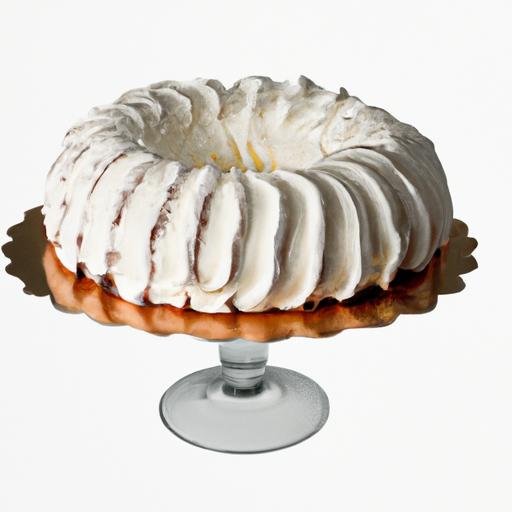



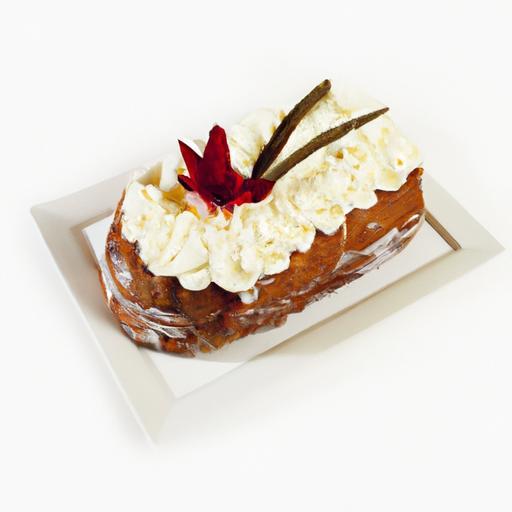
Rising majestically from celebration tables like edible sculptures, tall Italian wedding cakes are more than just desserts-they are towering traditions steeped in history, artistry, and cultural symbolism. Thes magnificent confectionary creations blend intricate design wiht rich flavors, reflecting centuries of Italian heritage and the joyful spirit of matrimonial festivities. In this article, we peel back the layers of these impressive cakes, exploring how artisans transform simple ingredients into grand statements of love and legacy, making every slice a flavorful journey through Italy’s sweetest customs.
Towering Traditions: The Art of Tall Italian Wedding Cakes
Dive into the enchanting world of towering traditions as we explore the delicate craftsmanship behind tall Italian wedding cakes. These majestic confections are a dazzling blend of artistry, history, and regional flavors that tell stories from charming Italian villages through each delectable layer. Inspired by classic recipes handed down through generations, this guide will empower you to build your own elegant, soaring masterpiece-one that rivals the breathtaking beauty and complexity of Italy’s finest celebrations.
Prep and Cook Time
- Preparation: 2 hours
- Baking: 1 hour 15 minutes
- Assembly & Decoration: 3 hours (including chilling and setting time)
Yield
Serves approximately 40-50 guests, perfect for grand celebrations and large receptions.
Difficulty Level
advanced: This recipe requires precision and patience but rewards with stunning results.
ingredients
- For the Cake Layers:
- 5 cups all-purpose flour, sifted
- 3 cups granulated sugar
- 2 teaspoons baking powder
- 1 teaspoon salt
- 1 ½ cups unsalted butter, softened
- 8 large eggs, room temperature
- 1 cup whole milk, warmed
- 2 tablespoons vanilla extract
- 1 tablespoon finely grated lemon zest
- For the Italian Buttercream Filling:
- 6 large egg whites
- 2 ½ cups granulated sugar
- 1 ¼ cups water
- 3 cups unsalted butter, softened and cubed
- 2 teaspoons pure almond extract
- For Regional Flavor Variations:
- ½ cup finely chopped candied citrus peel (Sicilian influence)
- ½ cup toasted pine nuts (Tuscan flair)
- 1 cup finely chopped ripe cherries or amarena cherries (Emilia-Romagna)
- For Structural Components:
- Wooden dowels or food-safe cake supports
- Fondant or marzipan for smooth finish
- Edible gold leaf or fresh floral accents for decoration
Instructions
- Prepare the Cake Layers: Preheat your oven to 350°F (175°C). Grease and flour three 10-inch round cake pans. In a large bowl,whisk together flour,baking powder,and salt. In a separate bowl, cream the butter and sugar until light and fluffy (approximately 5 minutes).
- Incorporate Eggs and Flavors: Add eggs one at a time, beating well after each addition. Mix in vanilla extract and lemon zest for a fresh aroma that captures southern Italian zestiness.
- Combine Wet and Dry Ingredients: Alternately add the dry mixture and warmed milk in three parts, starting and ending with flour. Mix gently to maintain airiness but avoid overmixing.
- Bake the Layers: Divide batter evenly among pans.Bake for 30-35 minutes or until a toothpick inserted comes out clean. Remove from oven, cool in pans for 10 minutes, then turn out onto wire racks to cool fully.
- Prepare the Italian Buttercream: In a heatproof bowl, whisk egg whites until frothy. Simultaneously occurring, heat sugar and water in a saucepan to 240°F (115°C) to make a sugar syrup. Slowly pour the syrup into the whisked egg whites while beating continuously until stiff peaks form and mixture cools. Beat in softened butter one tablespoon at a time until smooth and glossy. Stir in almond extract.
- Layering and Flavor Integration: Place the first cake round on a sturdy board. Spread a generous layer of buttercream. Sprinkle regional flavor add-ins like candied citrus peel or toasted pine nuts before topping with the next layer.Repeat, incorporating different flavors in each layer for a nuanced profile.
- Structuring for Height and Stability: Insert pre-cut wooden dowels evenly throughout the stacked cake for support.Use cake boards between tiers if you opt for a multi-tiered design, ensuring precise alignment to prevent any leaning or cracking.
- Chilling and Decoration: Chill the assembled cake for at least 1 hour to allow the buttercream to set firm.Cover with rolled fondant or marzipan for a sleek finish. Embellish with edible gold leaf or fresh flowers, reflecting the bride’s bouquet for a seamless celebration motif.
- Final Touches: Allow the finished cake to rest at room temperature for 30 minutes prior to serving, ensuring flavors meld beautifully and textures soften just enough.
Tips for Success
- Use room-temperature ingredients to guarantee smooth batter and consistent rise.
- Keep your workspace cool-Italian buttercream can melt quickly in warm conditions.
- Practice dowel insertion on a mock stack to perfect your structural technique before assembling the final cake.
- Experiment with local honeys or citrus varieties to tailor the cake’s flavor profile according to your regional inspiration.
- Assemble the cake a day ahead to allow flavors to harmonize and ease event-day stress.
Serving Suggestions
Slice this towering beauty with a long, serrated knife warmed under hot water and dried for clean cuts. Serve on delicate porcelain plates, garnished with a sprinkle of powdered sugar and a small cluster of fresh berries or edible flowers. Pair each slice with a glass of Prosecco or a rich espresso for authentic Italian indulgence.

| Nutrient | Per Slice (1/40) |
|---|---|
| Calories | 480 |
| Protein | 6g |
| Carbohydrates | 55g |
| Fat | 24g |
For additional insight on classic Italian wedding desserts, check out our Authentic Italian Wedding Desserts Collection. To deepen your understanding of Italian regional specialties, this Tasting Table guide offers an expert exploration of distinctive dessert traditions.
Q&A
Q&A: Towering Traditions: The art of Tall Italian Wedding Cakes
Q1: What makes italian wedding cakes uniquely tall and impressive?
Italian wedding cakes are renowned for their height and grandeur, often reaching skyward like edible skyscrapers. This tradition stems from a cultural emphasis on abundance and celebration-tall cakes symbolize prosperity,unity,and the towering love between the bride and groom. The vertical architecture is not just a visual spectacle but a testament to skilled craftsmanship passed down through generations.
Q2: How did the tradition of tall wedding cakes originate in italy?
The tradition dates back to the Renaissance period, when Italian aristocracy sought to showcase their wealth and artistic tastes during weddings. Bakers began designing cakes that transcended simple tiers, incorporating intricate details and multiple layers that told a story. Over time, this evolved into a cultural hallmark, with each region adding its own flair, from the classic Panettone-inspired tiers in Milan to the Sicilian cassata influences in the south.
Q3: What are the common flavors and ingredients used in these towering cakes?
Italian wedding cakes often blend rich, regional flavors such as almond, citrus zest, ricotta, and pistachio, creating layers of taste as complex as their structure. Traditional ingredients include marzipan, fresh fruits, and sometimes liqueurs like limoncello or amaretto to imbue the cake with depth and warmth. The balance of sweetness and texture plays a crucial role in complementing the cake’s majestic height.
Q4: How do Italian pastry chefs ensure structural stability in such tall cakes?
Creating a tall Italian wedding cake is a feat of engineering and artistry. Pastry chefs utilize strong internal supports-wooden dowels or food-safe pillars-to bear the weight of each tier. The layers are carefully baked to optimal density, allowing them to stack without collapsing. Additionally, skilled decorators apply sturdy icings like fondant, which act as an adhesive, while the cake’s internal layers are often reinforced with semi-frozen fruit or nut pastes for added firmness.
Q5: What symbolic meanings are traditionally associated with the elaborate decorations on these cakes?
Decorations on tall Italian wedding cakes are rich in symbolism. Floral motifs, often crafted from sugar or marzipan, represent fertility and new beginnings. Vintage lace patterns pay homage to old family traditions, while the inclusion of edible gold leaf signifies wealth and good fortune. Sometimes, the décor incorporates religious symbols or regional emblems, creating a personalized narrative that honors heritage and the sacredness of marriage.
Q6: How are modern Italian wedding cakes evolving while respecting tradition?
While towering cakes remain a beloved tradition, modern Italian bakers blend innovation with heritage. Contemporary designs may feature minimalist aesthetics or incorporate unconventional flavors like espresso or fig,appealing to today’s sophisticated palettes. Additionally,boutique artisans experiment with lighter sponge recipes and gluten-free options,ensuring inclusivity without sacrificing the grandeur and symbolism that define these majestic creations. The art remains a living tradition-honoring the past while embracing the future.
Q7: Why do couples choose a tall Italian wedding cake for their special day?
Choosing a tall Italian wedding cake is about more than just dessert; it’s a celebration of culture, artistry, and family legacy. Couples are drawn to the cake’s impressive presence as a centerpiece that elevates the wedding atmosphere-both figuratively and literally. It embodies the towering promises made on their wedding day, blending sweetness with symbolism in a breathtaking, edible masterpiece that guests will remember long after the last slice is served.
the Conclusion
As the final slice is shared and the last candle flickers out, towering Italian wedding cakes leave more than just a sweet aftertaste-they carry with them centuries of craftsmanship, cultural richness, and heartfelt celebration. These majestic confections stand as edible monuments to love, blending art and tradition in every delicate tier. Whether adorned with intricate sugar flowers or steeped in regional flavors, each towering creation tells a story as grand as the day it graces. In embracing these lofty delights, couples don’t just choose a dessert-they honor a heritage, inviting guests to partake in a timeless ritual where elegance rises as high as the cake itself.