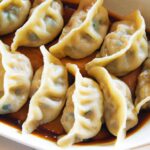



Steaming, savory, and irresistibly satisfying-Korean mandu, the beloved dumplings of Korea, are much more than just a delicious snack. Each bite offers a harmonious blend of flavors and textures that reflect centuries of culinary tradition.Whether nestled in a comforting bowl of broth or pan-fried to crispy perfection, mastering the art of mandu opens a doorway to authentic Korean culture right in your own kitchen. In this article,we’ll explore time-tested recipes and techniques that will guide you step-by-step,helping you create these delightful morsels with confidence and flair. Get ready to roll up your sleeves and embark on a flavorful journey that transforms humble ingredients into mouthwatering masterpieces.
Mastering korean Mandu: Authentic Dumpling Recipes to Try begins with selecting the ideal dough to create those irresistibly pillowy mandu that melt in your mouth. Korean mandu, with its delicate wrapper and vibrant fillings, embodies a harmonious balance of texture and flavor that invites both tradition and innovation to your kitchen. Whether you’re a seasoned cook or a curious beginner, understanding how to craft the perfect dough and explore diverse fillings will unlock the true essence of this beloved Korean dumpling.
Prep and cook Time
- Planning: 30 minutes
- Resting Dough: 1 hour
- Cooking (per batch): 10-15 minutes (varies by method)
- Total Time: Approximately 1 hour 45 minutes
Yield
Makes approximately 40 mandu (about 4 servings)
Difficulty Level
Medium – perfect for cooks ready to elevate their dumpling skills with hands-on techniques and creative fillings.
Choosing the Perfect Dough for Pillowy Korean Mandu
The magic behind truly extraordinary mandu starts with the dough-Thin enough to delicately encase luscious fillings, yet resilient enough to hold shape without tearing. Traditional mandu dough calls for a simple mix of all-purpose flour, water, a pinch of salt, and sometimes an egg to enhance elasticity and richness.
For pillowy softness, add a splash of boiling water to the flour before kneading; this technique gelatinizes the starch and yields a supple, tender skin. resting the dough for at least an hour relaxes gluten strands, making rolling and folding a breeze.
Alternatively, modern cooks might opt for store-bought round dumpling wrappers, which save time and still produce delicious results, especially when steamed or boiled.
Exploring Classic and Modern Filling Combinations for Every Palate
Korean mandu fillings span a spectrum of savory classics and contemporary twists. The canonical mix often features ground pork, finely chopped tofu, garlic chives, dangmyeon (sweet potato glass noodles), and a medley of aromatics like ginger and green onions. This filling dances between hearty and refreshing with each bite.
For a modern twist, transform your mandu with fillings such as kimchi and pork belly for a fiery punch, or vegetarian combinations like mushrooms, cabbage, and carrots elevated with sesame oil and soy sauce. Seafood lovers can indulge in minced shrimp and chive blends, celebrating the bounty of the sea.
Step-by-Step Techniques to Fold and Seal Mandu Like a Pro
- Roll the dough into thin 3-inch circles using a floured surface to prevent sticking.
- Place a tablespoon of filling in the center of each wrapper, ensuring not to overfill to prevent breakage.
- Moisten the edges lightly with water to act as glue.
- Fold the dough over to form a half-moon shape.
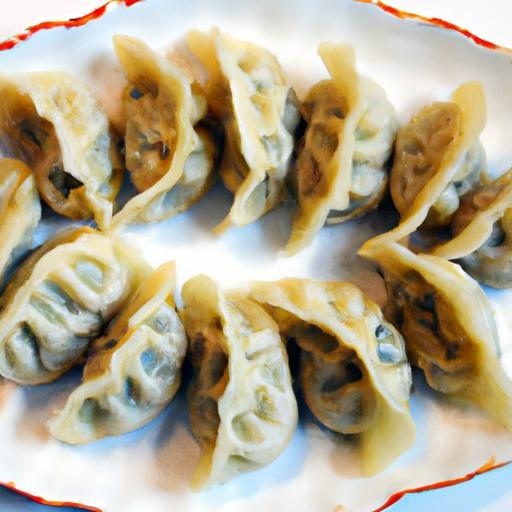
- Starting at one edge, pleat the dough by pinching small sections together toward the center, creating neat ruffles and sealing the dumpling airtight.
- Press firmly but gently to secure the seal and avoid leaks during cooking.
Visual finesse comes from even pleats and tight seals, giving mandu an inviting, artisanal look that stands out on any table.
Secrets to Achieving Crispy, Steamed, and Boiled Mandu Perfection
Each cooking method highlights unique qualities of mandu:
- Crispy Pan-Fried Mandu (Gunmandu): Heat a non-stick skillet with a thin layer of oil. Place mandu flat and fry until the bottom turns golden and crunchy-about 2-3 minutes. Add a few tablespoons of water, cover, and steam for an additional 4-5 minutes until cooked through for that perfect crisp-steam combo.
- steamed Mandu: Arrange mandu on parchment or cabbage leaves in a bamboo steamer. Steam over boiling water for 8-10 minutes, yielding delicate, translucent wrappers that encase juicy fillings.
- Boiled mandu: drop frozen or fresh mandu gently into rapidly boiling water. Stir carefully to prevent sticking, and cook until mandu floats and centers are firm-typically 5-7 minutes.
Use fresh mandu soon after assembly and frozen mandu within 1-2 months to ensure optimal texture and flavor.
Ingredients
- Dough:
- 2 cups all-purpose flour, sifted
- ¾ cup hot water (around 70-80°C / 158-176°F)
- ½ tsp fine sea salt
- 1 large egg (optional for elasticity)
- Classic Filling:
- 200g ground pork
- 100g firm tofu, pressed and crumbled
- ½ cup finely chopped garlic chives
- 1 cup cooked and chopped dangmyeon (sweet potato noodles)
- 2 cloves garlic, minced
- 1 tsp grated fresh ginger
- 2 tbsp finely chopped green onions
- 1 tbsp soy sauce
- 1 tsp toasted sesame oil
- Salt and pepper, to taste
Instructions
- Prepare the dough: In a large bowl, combine flour and salt. Slowly pour hot water, stirring with a wooden spoon until shaggy dough forms. Add egg, knead for 10 minutes on a floured surface until smooth and elastic. Wrap in plastic wrap and rest for 1 hour.
- Make the filling: In a bowl, combine ground pork, crumbled tofu, garlic chives, dangmyeon, garlic, ginger, green onions, soy sauce, sesame oil, salt, and pepper. Mix gently until just combined; overmixing can toughen the filling.
- Roll out dough: Divide dough into small balls (~15g each). On a floured surface, flatten each ball using a rolling pin into thin 3-inch circles.
- Fill and fold mandu: Spoon about 1 tbsp of filling into the center of each wrapper. Brush edges with water, fold over and pleat edges to seal wholly.
- Cook mandu: Choose your preferred method-pan-fry using the crisp-steam technique for textural contrast, steam for delicate softness, or boil for an easy, comforting dumpling soup.
- Serve warm with a dipping sauce made from soy sauce, rice vinegar, sesame oil, and optional chili flakes.
Tips for Success
- Resting dough is essential for pliability; don’t skip this step.
- Use boiling water when mixing dough for a softer skin with slight chew.
- Adjust filling moisture by squeezing excess liquid from tofu or salted vegetables.
- Seal tightly to prevent bursting while cooking, especially with juicy fillings.
- Freeze uncooked mandu on a tray, then transfer to airtight bags for easy future use.
- Experiment with fillings-substitute pork for beef, or add kimchi for a spicy kick.
Serving suggestions
Present mandu on a rustic wooden platter lined with fresh cabbage leaves for vibrant contrast. Garnish with toasted sesame seeds and thinly sliced scallions for a fresh finish. Serve alongside a dipping bowl of soy sauce, rice vinegar, and chili oil for dipping.For a communal feast, pair with hot bowls of Bulgogi or a soothing kimchi side to balance savory richness with tangy spice.
| Nutrient | Per 5 Mandu |
|---|---|
| Calories | 320 kcal |
| Protein | 18 g |
| Carbohydrates | 30 g |
| Fat | 12 g |

Q&A
Q&A: mastering Korean Mandu – Authentic Dumpling Recipes to Try
Q1: What exactly are korean mandu?
A1: Korean mandu are delightful dumplings that embody a perfect harmony of flavors and textures. Traditionally filled with a savory mix of ingredients like ground meat, tofu, kimchi, and vegetables, mandu can be steamed, boiled, pan-fried, or deep-fried. Each bite offers a little savory treasure, encapsulating Korea’s rich culinary heritage.Q2: How do mandu differ from other Asian dumplings?
A2: While many Asian dumplings share similarities, mandu stand out due to their unique fillings and preparation styles. For instance, Korean mandu often incorporate kimchi or glass noodles (dangmyeon), infusing a distinctive tang and chewiness. The wrappers tend to be thinner than Chinese jiaozi but thicker than Japanese gyoza, striking a mellow balance perfect for various cooking methods.
Q3: What are the essential ingredients for making authentic mandu?
A3: Authentic mandu fillings usually feature ground pork or beef, minced garlic and ginger, finely chopped kimchi for a zing, tofu to add softness, and glass noodles to bring that signature bite. Seasonings like soy sauce, sesame oil, and green onions round out the profile, creating that unmistakable Korean flavor.Q4: Can mandu be made vegetarian or vegan?
A4: Absolutely! Mandu are wonderfully versatile.Replace the meat with mushrooms, tofu, or finely minced vegetables like cabbage and carrots. Incorporate kimchi that’s naturally vegan and season thoughtfully. These plant-based mandu pack just as much flavor and soul as their meat counterparts.
Q5: What’s the best way to cook mandu at home?
A5: The beauty of mandu lies in their flexibility. Steaming preserves their delicate texture, boiling offers a comforting bite (especially for mandu-guk soup lovers), pan-frying creates a crispy-bottomed delight, and deep-frying delivers irresistible crunch. The choice depends on your mood and appetite, but mastering each technique can transform your mandu game dramatically.
Q6: How can beginners master the art of wrapping mandu?
A6: Wrapping mandu is an art form that gets easier with practice. Start by placing a small spoonful of filling in the center of the wrapper, moisten the edges with water, and fold into a half-moon or a classic pleated shape. Keep your folds tight to prevent bursting during cooking. A little patience and finger dexterity go a long way toward perfect dumplings!
Q7: What are some traditional mandu recipes worth trying?
A7: Dive into classics like Gunmandu (pan-fried mandu), Jjinmandu (steamed mandu), and Mulmandu (boiled mandu). For an adventurous palate, explore Kimchi Mandu bursting with spicy fermented cabbage, or Hobak Mandu featuring sweet pumpkin in the filling. Each recipe offers a new dimension to your mandu journey.
Q8: Where does mandu fit into Korean culture and meals?
A8: Mandu have a cherished place in Korean life, often enjoyed during festive occasions such as Lunar New Year or family gatherings.They symbolize abundance and unity. Beyond celebrations, mandu are humble comfort food, gracing street stalls, homes, and restaurants alike, inviting everyone to share in their warm, communal joy.
Q9: Any tips for storing and reheating mandu?
A9: If you make extra mandu, freezing is your best friend! Lay them flat on a tray until frozen, then transfer to airtight bags to prevent sticking. Reheat steamed or boiled mandu gently to retain softness; pan-fried ones regain crispness with a speedy skillet warm-up. Avoid microwaving, as it tends to make wrappers tough or soggy.
Q10: How can I elevate my mandu experience beyond the traditional?
A10: Creativity transforms mandu into culinary adventures! Experiment with fusion fillings-think kimchi and cheese, bulgogi beef, or even seafood. Try dipping sauces beyond soy-spicy gochujang blends, tangy vinegar mixes, or nutty sesame blends add exciting layers. Pair with Korean side dishes like kimchi or pickled radish for a complete feast. Your mandu mastery is only limited by imagination!
In Conclusion
Embarking on the journey of mastering Korean mandu opens more than just a culinary adventure-it bridges traditions, flavors, and stories wrapped delicately in every dumpling skin. Whether you choose to steam, boil, or pan-fry, each bite offers a taste of Korea’s rich heritage and the loving craftsmanship behind this beloved dish. Armed with these authentic recipes and tips,you’re now ready to transform your kitchen into a mandu-making haven.So gather your ingredients, embrace the art of folding, and savor not just the flavors but the joy of creating something truly special. your next memorable meal is just a dumpling away.