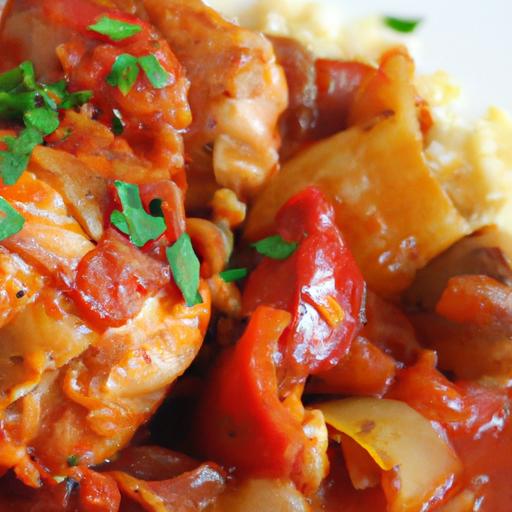



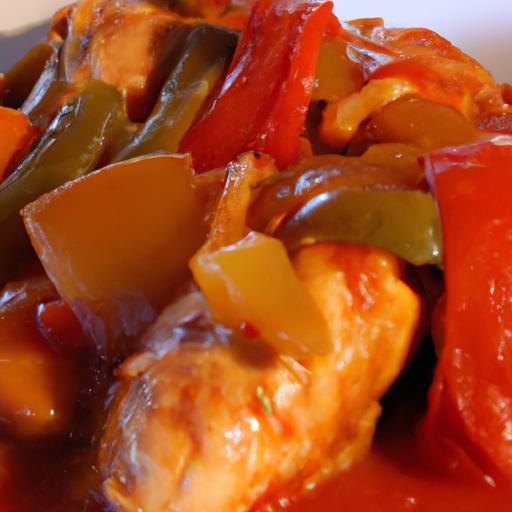
Ther’s a certain magic in the way Italian cuisine brings simple ingredients together to create unforgettable flavors, and few dishes capture this soulful artistry quite like Chicken Cacciatore. rooted in rustic tradition, this hearty stew-literally “hunter’s chicken”-melds tender poultry with vibrant tomatoes, fragrant herbs, and a touch of garlic, offering a taste that transports you straight to the sun-drenched hills of Italy. In this article, we’ll explore an authentic Italian Chicken Cacciatore recipe that honors time-honored methods and preserves the robust, comforting flavors that have made this dish a beloved classic for generations. Whether you’re a kitchen novice or a seasoned cook, get ready to immerse yourself in a culinary journey that celebrates tradition and taste in every savory bite.
The Authentic Italian Chicken Cacciatore Recipe Customary Flavour captures the rustic heart of Southern Italy, where simple, fresh ingredients combine to create soulful comfort food. This dish, known as the hunter’s stew, tells a story of tradition passed through generations-melding juicy chicken, aromatic herbs, and robust tomato and wine sauce into a truly unforgettable meal. Every element plays a vital role, elevating humble components into exquisite harmony.
Prep and Cook Time
- Readiness: 20 minutes
- Cooking: 1 hour 15 minutes
- total Time: 1 hour 35 minutes
Yield
Serves 4 hearty portions
difficulty Level
Medium - Suitable for home cooks ready to master classic Italian techniques with confidence
Ingredients
- 1 whole chicken (about 3.5 lbs), cut into 8 pieces (preferably bone-in, skin-on thighs and drumsticks)
- 1 cup all-purpose flour, for light dredging
- 4 tbsp extra virgin olive oil
- 2 cloves garlic, finely minced
- 1 medium yellow onion, sliced thin
- 1 red bell pepper, sliced
- 1 green bell pepper, sliced
- 1 cup dry red wine (such as Chianti or sangiovese)
- 28 oz canned San Marzano tomatoes, crushed by hand
- 2 tbsp tomato paste
- 1 tsp dried oregano
- 2 tsp fresh rosemary, finely chopped
- 1 tsp red pepper flakes (optional)
- Salt and freshly ground black pepper, to taste
- Fresh flat-leaf parsley, chopped for garnish
Instructions
- Prepare the chicken: Pat chicken pieces dry. Lightly dredge in all-purpose flour, shaking off excess. This step encourages a golden crust and helps thicken the sauce.
- Brown the chicken: Heat 2 tbsp olive oil in a large skillet over medium-high heat. Add chicken skin side down, sauté until golden brown, about 5-7 minutes per side. Transfer browned chicken to a plate.
- Sauté aromatics: Reduce heat to medium. Add remaining 2 tbsp olive oil, garlic, and sliced onion. Cook until fragrant and translucent, about 4 minutes, stirring frequently.
- Add peppers and herbs: Stir in red and green bell peppers, rosemary, oregano, and red pepper flakes. Cook another 5 minutes until peppers soften and release their sweetness.
- Deglaze with wine: Pour in the red wine, scraping the bottom of the pan to lift all the browned bits. Simmer for 5 minutes, allowing the wine’s acidity to mellow and infuse the base.
- Build the sauce: Stir in crushed San Marzano tomatoes and tomato paste. Season generously with salt and freshly ground black pepper. Bring to a gentle simmer.
- Return chicken to the sauce: Nestle browned chicken pieces into the tomato mixture, skin side up. Cover and simmer gently on low heat for 45 minutes, until chicken is tender and juicy, and flavors meld beautifully.
- Finish and adjust: Remove the lid for the last 10 minutes to thicken the sauce if necessary. Taste and adjust seasoning accordingly.
Chef’s Notes
- Choosing Chicken Cuts: Bone-in, skin-on thighs and drumsticks provide the best texture and flavor as they remain moist and develop a rich golden crust. White meat can dry out if overcooked.
- Tomato Quality Matters: Authentic San Marzano tomatoes bring natural sweetness and balanced acidity. Avoid overly watery or bland canned tomatoes.
- Wine Selection: Opt for a dry red wine with moderate tannins. Chianti or Sangiovese enhances the sauce’s depth without overpowering the natural tomato flavor.
- Making Ahead: Chicken cacciatore tastes even better the next day as flavors deepen. Refrigerate overnight and gently reheat before serving.
- Substitutions: For a lighter variation, swap chicken thighs for boneless breasts, but reduce simmering time to prevent drying out.
Serving Suggestions
Serve chicken cacciatore over a bed of soft, buttery polenta or alongside creamy mashed potatoes. Rustic crusty bread is perfect to soak up the rich tomato and wine sauce. Garnish generously with freshly chopped flat-leaf parsley and an extra drizzle of high-quality olive oil for a burst of freshness.

Nutritional Information
| Serving Size | Calories | Protein | Carbs | Fat |
|---|---|---|---|---|
| 1 chicken piece with sauce | 430 | 38g | 10g | 24g |
For those eager to explore more authentic Italian recipes, check out our detailed guide on Classic Italian Pasta Sauces. To better understand the history behind San Marzano tomatoes, visit the Official San Marzano Tomato Consortium.
Q&A
Q&A: Authentic Italian Chicken Cacciatore Recipe: Traditional Flavor
Q1: What exactly is Chicken Cacciatore, and where does it come from?
A: Chicken Cacciatore translates to ”hunter’s chicken” in Italian. It’s a rustic,hearty dish that originated in the countryside of Italy,designed to be a comforting and flavorful meal after a day spent in the wild. Traditionally, it features braised chicken simmered in a savory sauce of tomatoes, onions, herbs, and sometimes wine, evoking the warm, robust flavors of italian home cooking.
Q2: What makes an authentic Chicken Cacciatore different from other chicken stews?
A: Authentic Chicken Cacciatore strikes a perfect balance between simplicity and depth of flavor. Unlike generic stews, it emphasizes fresh Italian ingredients-like ripe tomatoes, fragrant garlic, earthy mushrooms, and aromatic herbs such as rosemary and oregano. The dish is slow-cooked until the chicken becomes tender and infused with the rich, tangy sauce, creating a taste that feels both rustic and refined.
Q3: Can you share key ingredients that should never be left out in a traditional chicken Cacciatore?
A: Absolutely! The classics include bone-in chicken pieces (usually thighs and drumsticks for tenderness), ripe canned or fresh tomatoes, onions, garlic, bell peppers, mushrooms, olives, capers, and a splash of dry white or red wine. fresh herbs like rosemary, oregano, and bay leaves bring that unmistakable Italian aroma to the dish. A drizzle of good-quality olive oil seals the deal.
Q4: What’s the best cooking method to achieve authentic flavors?
A: Patience is your best friend. Start by searing the chicken in olive oil until golden brown to lock in flavor. Then, gently sauté your vegetables. Add wine and let it reduce slightly before adding tomatoes and herbs. simmer everything slowly-either on the stove or in the oven-to allow the flavors to meld beautifully and for the chicken to become melt-in-your-mouth tender.
Q5: How can I serve Chicken Cacciatore to make it a show-stopping meal?
A: This dish pairs wonderfully with simple, comforting sides. Serve it over creamy polenta, buttery mashed potatoes, or al dente pasta to soak up that luscious sauce. Garnish with freshly chopped parsley or basil, and don’t forget some crusty Italian bread for mopping up every last drop.
Q6: Are there regional variations of Chicken Cacciatore within Italy?
A: Yes! While the core concept remains, Northern Italian versions might include white wine and mushrooms, whereas Southern takes lean heavily on robust tomatoes, olives, and sometimes hot peppers for a little kick. Ingredients may vary based on what’s locally available, making each rendition a unique expression of its terroir.
Q7: Can Chicken Cacciatore be made ahead of time or frozen?
A: Definitely. Like many traditional Italian dishes, Chicken Cacciatore frequently enough tastes even better the next day as the flavors continue to deepen. It freezes well too; just thaw gently and reheat slowly to maintain that tender texture and rich flavor. Perfect for meal prepping or a cozy weeknight dinner.
Q8: Any tips for selecting the right chicken for this dish?
A: For the best flavor and texture, opt for bone-in, skin-on chicken thighs and drumsticks. They hold moisture better during slow cooking and develop a deliciously crispy skin when seared.If you prefer white meat, breasts work but be careful not to overcook them as they can dry out.
Q9: Can this recipe be adapted for other proteins or dietary preferences?
A: Absolutely! While chicken is traditional, you can swap in rabbit or even hearty vegetables like eggplant and mushrooms for a vegetarian twist. For a gluten-free version, serve with polenta or gluten-free pasta. The beauty of Cacciatore lies in its rustic versatility-just keep the core flavors intact to honor tradition.
Q10: What’s the secret to nailing that “authentic Italian” flavor in homemade Chicken Cacciatore?
A: The secret is simple yet powerful: quality ingredients, respectful cooking time, and a touch of love.Use fresh herbs, ripe tomatoes, good olive oil, and let the dish simmer gently. Embrace its rustic roots-this isn’t a dish to rush. The magic happens when flavors slowly marry into a soulful, comforting meal that tastes like sun-drenched Italian hillsides with every bite. Buon appetito!
Insights and Conclusions
Bringing the rich,rustic flavors of Italy into your kitchen with an authentic Chicken Cacciatore recipe is more than just a meal-it’s a culinary journey steeped in tradition and heartfelt simplicity. as the tender chicken simmers in a vibrant melody of tomatoes, herbs, and earthy vegetables, each bite tells a story of Italian heritage and home-cooked love. Whether you’re sharing it with family or savoring it solo, this timeless dish invites you to experience the soul of Italian cooking, proving that sometimes, the most genuine flavors come from the simplest ingredients crafted with care. So, gather your loved ones, set the table, and let this classic Cacciatore recipe transform your next dinner into a memorable celebration of traditional Italian flavor.