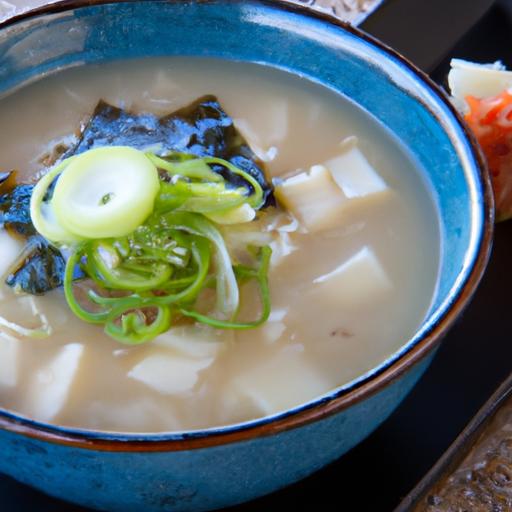



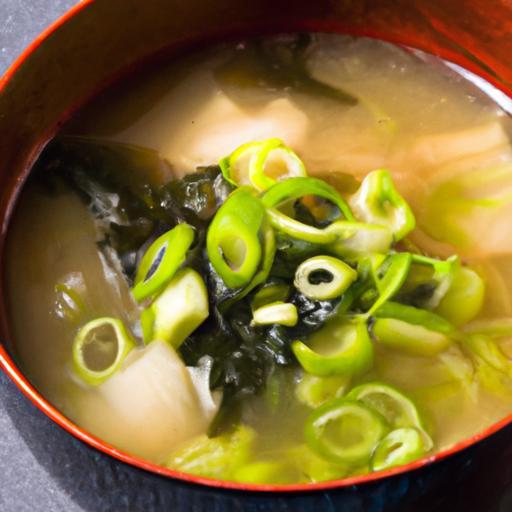
In the vast universe of comfort foods, few dishes marry simplicity and depth quite like miso cabbage soup.This unassuming bowl, brimming with tender cabbage and rich miso broth, unlocks a world of savory umami that dances on the palate with every spoonful. More than just a soup, it’s a harmonious blend of tradition and nourishment-offering both warmth and wellness in a single, delightful experience. Join us as we delve into the origins, flavors, and secrets behind this humble yet extraordinary soup, and discover how miso cabbage soup can transform your kitchen into a haven of taste and tranquility.
Unlocking flavor in your kitchen begins with understanding the soulful essence of miso cabbage soup, a comforting dish celebrated throughout Japanese households for centuries. This humble yet deeply nourishing soup marries the gentle sweetness of crisp cabbage with the umami-rich depth of fermented miso, creating a warm embrace for the senses. Growing up, my grandmother’s kitchen ofen smelled of simmering dashi and fresh vegetables, where this soup was a weekly ritual-simple, satisfying, and endlessly adaptable. Whether you seek a light starter or a restorative bowl on chilly evenings, mastering this recipe invites you to savor a tradition rooted in balance and mindful cooking.
Prep and cook Time
Readiness: 15 minutes | Cooking: 20 minutes | Total: 35 minutes
Yield
Serves 4 hearty bowls
difficulty Level
Easy - Perfect for both beginner cooks and seasoned food enthusiasts
Ingredients
- 6 cups dashi stock (homemade or store-bought, preferably kombu and bonito-based)
- 4 cups green cabbage, thinly sliced (about 1 small head)
- 3 tablespoons white miso paste
- 1 tablespoon soy sauce (for added depth)
- 1 teaspoon mirin (optional, for gentle sweetness)
- 1 medium carrot, julienned for color
- 2 green onions, finely chopped
- 100 grams tofu, cut into small cubes (silken or firm)
- 1 teaspoon toasted sesame oil (for finishing)
- Freshly ground black pepper, to taste
Instructions
- Prepare the dashi stock. If using instant dashi granules, dissolve according to package instructions. Homemade dashi made from kombu and bonito flakes will deepen flavor dramatically.
- Bring the dashi to a gentle simmer in a medium-sized pot over medium heat.
- Add thinly sliced cabbage and julienned carrots. Simmer for about 8 minutes, stirring occasionally until the cabbage softens but still retains a slight crunch.
- Remove a small ladle of the hot broth into a separate bowl. Whisk in the white miso paste until fully dissolved, ensuring no lumps remain.
- Slowly return the miso mixture to the pot. Stir gently and avoid boiling from this point to preserve the probiotic benefits and vibrant flavor of miso.
- Incorporate tofu cubes and soy sauce. Simmer for another 2-3 minutes to warm the tofu through.
- Add mirin if desired, then adjust seasoning with freshly ground black pepper.
- Turn off the heat and finish with a drizzle of toasted sesame oil and a sprinkle of green onions for freshness.
Tips for Success
- Choosing Miso: Explore different miso types-white (shiro) for sweetness, red (aka) for boldness-to customize flavor.
- balancing Umami: Use high-quality dashi or enhance with subtle mushroom umami (shiitake) for a vegetarian version.
- Texture Matters: Avoid overcooking cabbage to maintain a slight crunch that contrasts beautifully with silky tofu.
- Make-Ahead: Prepare dashi a day in advance and store chilled; miso soup itself is best consumed fresh to retain optimal flavor.
- Substitutions: Napa cabbage can be used for a milder taste. For soy-free options, substitute tamari and tofu with coconut aminos and tempeh.
Creative twists and Serving Suggestions
Bring your presentation to life by serving miso cabbage soup in rustic Japanese-style bowls, garnished with a scattering of toasted sesame seeds and finely sliced shiso leaves. For an extraordinary star touch, add thin slivers of pickled ginger atop the soup for a bright pop of color and acidity. Pair this dish alongside steamed jasmine rice and a side of grilled miso-glazed salmon for a balanced, authentic Japanese meal experience.
For a playful twist, stir in crunchy fried shallots or drizzle with a touch of chili oil to introduce smoky heat. On brisk days, incorporate tender enoki mushrooms or baby spinach leaves for added earthiness and nutrition.
| Nutrient | Per Serving |
|---|---|
| Calories | 120 kcal |
| Protein | 8 g |
| Carbohydrates | 10 g |
| Fat | 4 g |
Curious about other traditional Japanese broths to deepen your culinary repertoire? Check out our Complete Guide to Japanese Dashi. For more on the health benefits and science behind miso, visit this complete NCBI review on fermented foods.

Q&A
Q&A: Unlocking Flavor – The Delightful World of Miso Cabbage Soup
Q1: What makes miso cabbage soup a unique dish?
A1: Miso cabbage soup is a harmonious blend of simplicity and depth. The sweetness and crunch of fresh cabbage meet the rich,umami-packed miso broth,creating a comforting yet vibrant flavor profile. Its uniqueness lies in how a few humble ingredients can transform into a soul-soothing experience.
Q2: Why is miso the star ingredient in this soup?
A2: Miso, fermented soybean paste, brings complexity and warmth. It’s a natural flavor enhancer packed with savory umami, which awakens the palate and adds a satisfying depth to the broth. Beyond taste, miso offers probiotic benefits, making the soup as nutritious as it is flavorful.
Q3: Can you describe the flavor journey when tasting miso cabbage soup?
A3: Imagine a delicate dance: first, gentle sweetness from tender cabbage shreds, then the mild saltiness of miso swirling through your taste buds, finishing with a subtle earthiness that lingers pleasantly. Each spoonful feels like a warm hug, balanced and inviting.
Q4: What variations can one experiment with in miso cabbage soup?
A4: The beauty of miso cabbage soup lies in its versatility. Add tofu cubes for creaminess, mushrooms for an extra umami boost, or a dash of chili flakes for a spicy kick. You can swap the cabbage for napa or bok choy to change textures or incorporate seasonal greens to keep it fresh and exciting.
Q5: How does miso cabbage soup fit into traditional and modern culinary contexts?
A5: Traditionally, miso soup has been a staple in Japanese households, often accompanying meals as a nourishing side. Incorporating cabbage introduces a Western twist, bridging cultures. Today, it stands as a cozy, healthful dish perfect for contemporary kitchens that celebrate fusion and simplicity.
Q6: What tips would you give for making the perfect miso cabbage soup at home?
A6: Start with a quality miso paste-white (shiro) miso for a milder taste or red (aka) miso for depth. Don’t boil the miso; stir it in at the end to preserve its flavor and probiotics. Use fresh, crisp cabbage and slice it thinly for swift cooking. season gently-let the miso shine rather than overpower.
Q7: Why shoudl someone try making miso cabbage soup today?
A7: Because it’s an invitation to discover how effortless ingredients can craft enchantment in a bowl. It warms the body and soul, celebrates wholesome nutrition, and introduces you to a delicate balance of taste that’s at once exotic and familiar. Miso cabbage soup is a delicious gateway to exploring the fragrant, flavorful world of Japanese comfort food.
In Retrospect
As the savory steam of miso cabbage soup rises and mingles with the comforting aromas of the kitchen, it invites us to explore a world where simple ingredients transform into a symphony of flavors.Unlocking the secrets of this humble yet profound dish not only enriches our palates but also connects us to a rich cultural tapestry that celebrates balance, nourishment, and love. Whether you’re a seasoned chef or a curious home cook, diving into the delightful world of miso cabbage soup opens the door to endless culinary possibilities-each spoonful a warm reminder that sometimes, the most unassuming combinations create the most unforgettable experiences. So, gather your ingredients, embrace the art of mindful cooking, and savor every moment as you stir your way into this flavorful tradition.