


In a world where convenience frequently enough dictates our culinary choices, there remains an enduring allure to the art of handmade cooking-a craft that transforms simple ingredients into soulful experiences. few dishes embody this spirit quite like soba noodles, whose delicate strands carry centuries of tradition and authenticity in every bite. “Crafting Authentic Flavors: Handmade Soba Noodle Recipes” invites you on a journey beyond the supermarket shelf, into the tactile, rhythmic process of making soba from scratch. Here, flour and water become more than just components; they’re the foundation of flavors shaped by hands, hearts, and heritage. whether you’re a seasoned cook or an adventurous foodie, this exploration reveals how the humble soba noodle can elevate your kitchen into a space of creativity, mindfulness, and genuine taste.
Crafting Authentic Flavors: Handmade Soba noodle Recipes
crafting authentic flavors in your kitchen begins with mastering the art of selecting premium buckwheat, the heart and soul of perfectly textured soba noodles. When chosen thoughtfully, quality buckwheat imparts a rich, nutty aroma and tender bite that elevates homemade soba to new heights. As a culinary content creator deeply passionate about customary Japanese cuisine, I’ve found that understanding these nuances transforms everyday cooking into a meaningful craft.
Prep and Cook Time
- Preparation: 45 minutes
- Cooking: 10 minutes
- Total Time: 55 minutes
Yield
Serves 4 hearty portions of soba noodles
Difficulty Level
Medium: Requires patience and practice, but accessible with clear guidance
Ingredients
- 2 cups premium 100% buckwheat flour (soba-ko)
- 1 cup all-purpose flour, sifted
- ¾ cup cold water, plus extra if needed
- 4 cups dashi broth (homemade or high-quality store-bought)
- ¼ cup soy sauce
- 2 tbsp mirin
- 1 tbsp sake
- 2 tsp sugar
- Finely sliced green onions for garnish
- Toasted nori strips for garnish
- Fresh wasabi or grated ginger (optional)
Instructions
- Select and Prepare Your Flour: Begin by carefully sifting the buckwheat and all-purpose flours together in a large mixing bowl.Use high-quality buckwheat flour for a tender, robust texture. The all-purpose flour acts as a binder to ensure the dough holds.
- Mix the Dough: Gradually add the cold water to the flour mixture in small increments, gently mixing with your hands to combine.Avoid overworking the dough early on to keep it tender. When the mixture just starts to come together,knead gently for about 7 minutes until it forms a smooth,pliable dough. If it feels too dry, moisten your hands and continue kneading; if too sticky, sprinkle a little flour.
- Rest the Dough: Wrap the dough in plastic wrap and rest it for at least 30 minutes in the refrigerator. This step allows the gluten to relax, making the dough easier to roll and cut.
- Roll Out the Dough: Dust your working surface lightly with buckwheat flour. Flatten the dough into a rough rectangle, then use a rolling pin to gently roll it to about ⅛ inch thickness. Aim for evenness rather than thinness at first; remember, practice makes perfect.
- Innovative Hand-Rolling for Perfect Thickness: rather of excessive use of a rolling pin, try folding the dough into thirds (like a letter) and gently pressing it flat with your palms. this technique helps achieve uniform thickness organically without stressing the dough’s structure.
- Cut the Soba Noodles: Use a sharp knife or a soba cutter to slice the dough into thin strips approximately 1/8 inch wide. To prevent sticking, periodically dust with flour.
- Cook the Noodles: Bring a large pot of water to a rolling boil.Gently separate and drop the noodles in, stirring lightly to prevent clumping. Boil for 2-3 minutes until al dente. Drain and promptly plunge the noodles into a bowl of ice water to halt cooking and preserve a springy texture.
- Prepare the Broth: In a saucepan, combine dashi broth, soy sauce, mirin, sake, and sugar. Warm gently over low heat, stirring until sugar dissolves. Do not boil once the alcohol has vaporized to retain subtle nuances.
- Serve Your Handmade Soba: Place chilled noodles in serving bowls. Pour the hot broth over the noodles or serve broth on the side for dipping,depending on your preference.
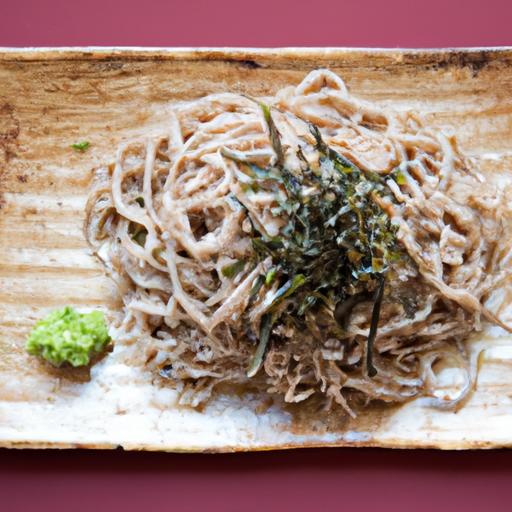
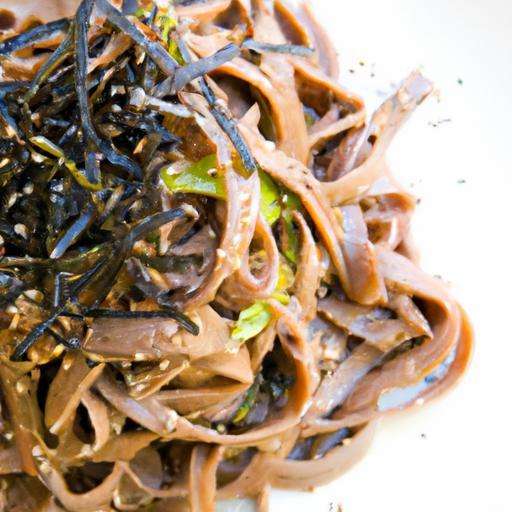
- Garnish creatively: Top with finely sliced green onions, toasted nori strips, and a delicate dab of fresh wasabi or grated ginger for an authentic flavor boost.
Tips for Success
- flour Selection: Use trusted sources on buckwheat flour to ensure purity. Blends or low-grade buckwheat will affect texture.
- Dough Handling: Don’t rush kneading; patience here ensures better texture and elasticity.
- Rolling Technique: Keep the dough cool and flour-dusted to prevent sticking, but avoid adding too much flour, wich dries out noodles.
- Storage: Rest uncooked noodles on a floured tray, covered loosely with a damp cloth if preparing ahead.
- Broth Variations: Experiment with homemade kombu or shiitake-infused dashi, or try adding a splash of yuzu juice for brightness.
Serving Suggestions
The beauty of handmade soba noodles lies in their versatility. Serve chilled with a dipping sauce (tsuyu) garnished with thinly sliced scallions, sesame seeds, and a sprinkle of shichimi togarashi for warmth and complexity. For a comforting meal, ladle hot broth over the noodles with soft-boiled egg halves, sautéed mushrooms, and crisp tempura flakes. Delicate garnishes like fresh shiso leaves or edible flowers create a stunning visual for special occasions.

| Nutrient | Per Serving |
|---|---|
| Calories | 280 kcal |
| Protein | 9 g |
| Carbohydrates | 55 g |
| Fat | 1.5 g |
For those ready to explore further, explore our guide to making homemade udon noodles and discover complementary Japanese noodle traditions.
Q&A
Q&A: Crafting Authentic Flavors – Handmade Soba Noodle Recipes
Q1: What makes soba noodles unique compared to other types of noodles?
A: Soba noodles are crafted primarily from buckwheat flour, which gives them a distinct earthy flavor and a slightly nutty aroma. Unlike wheat-based noodles, soba offers a hearty texture and a wholesome, robust taste that pairs beautifully with both hot broths and chilled dipping sauces. Their cultural heritage and nutritional profile also make them a beloved staple in Japanese cuisine.
Q2: Why is making soba noodles by hand considered an art?
A: Handmade soba requires precision, patience, and an intimate understanding of the dough’s texture and elasticity. From kneading to rolling and finally cutting,every step demands a delicate balance-too much water can make the dough sticky,while too little results in brittleness. The tactile connection between maker and dough elevates soba from mere food to a crafted experience steeped in tradition.Q3: What are the essential ingredients for authentic handmade soba noodles?
A: Authentic soba noodles call for simple, high-quality ingredients: fresh buckwheat flour, a smaller portion of wheat flour (to provide binding), water, and a touch of salt. The purity of these few components allows the nutty flavor of buckwheat to shine through, creating an authentic taste that’s both rustic and refined.
Q4: How does flour ratio affect the texture and flavor of soba noodles?
A: The ratio between buckwheat and wheat flour dramatically influences the noodle’s texture and flavor. Higher buckwheat content yields a stronger buckwheat flavor and a more fragile noodle,while increased wheat flour adds elasticity and chewiness. A classic ratio is about 80% buckwheat to 20% wheat,striking a harmonious balance between taste and structure.
Q5: What techniques help achieve the perfect soba noodle thickness and shape?
A: Rolling soba dough evenly and cutting noodles to a consistent width are key. Traditionally, the dough is dusted with buckwheat flour and carefully rolled out on a wooden surface to about 1.5mm thickness. Using a sharp soba knife, noodles are sliced with confident, swift strokes, producing slender, uniform strands that cook evenly and hold sauces beautifully.
Q6: Can handmade soba noodles be enjoyed in different ways?
A: Absolutely! Handmade soba noodles are incredibly versatile. They can be served chilled with a dipping sauce known as tsuyu for a refreshing summer dish or enjoyed hot in a savory broth during colder months. Beyond traditional presentations, soba can be tossed with seasonal vegetables, stir-fried, or even incorporated into creative fusion recipes.
Q7: What are some tips for perfecting homemade soba noodles at home?
A: Start with fresh, high-quality buckwheat flour and don’t rush the mixing-hydratation is key. knead the dough until smooth but avoid overworking it. When cutting, keep your knife sharp and flour dusted to prevent sticking.Most importantly, embrace the learning curve; each batch improves your intuition for dough consistency and cutting technique, bringing you closer to authentic homemade soba mastery.
Q8: How does crafting soba noodles connect one to Japanese culture?
A: Making soba noodles by hand is more than cooking-it’s a ritual echoing centuries of Japanese culinary tradition. It embodies mindfulness, respect for ingredients, and communal sharing.Whether served during New Year celebrations or family gatherings, handmade soba fosters a sense of connection-to nature’s bounty, to craftsmanship, and to the cultural stories woven through each strand.
In Retrospect
As you embark on your journey to craft authentic handmade soba noodles, remember that each strand tells a story-of tradition, patience, and the harmonious blend of simple ingredients. The art of soba-making is more than a recipe; it’s a ritual that connects you to centuries of Japanese culinary heritage. Whether you’re folding the dough with practiced hands or savoring the first bite of your creation, you’re not just making noodles-you’re weaving flavors that honor authenticity and craft. So gather your ingredients,embrace the process,and let every noodle be a testament to the timeless joy of handmade cooking.