


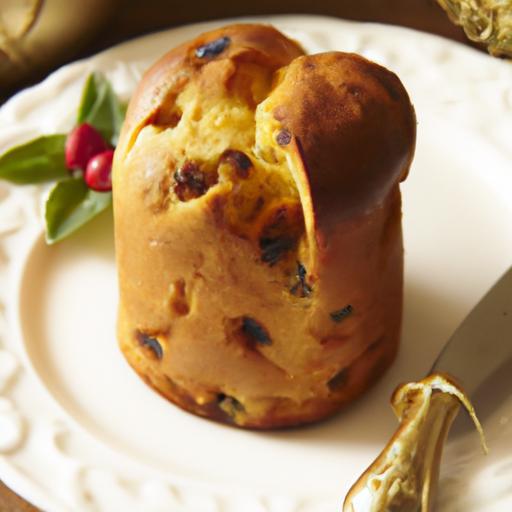
There’s a certain magic in the airy, golden crumb of a perfectly baked panettone-an Italian holiday treasure that lifts spirits with every bite. But for beginners, mastering this iconic sweet bread can feel like unraveling a deliciously complex puzzle. From achieving the ideal dough texture to coaxing out that signature dome-shaped rise, panettone baking demands patience, precision, and a touch of passion. In this article, we’ll guide you through essential tips and techniques that transform the daunting art of panettone making into an accessible and rewarding kitchen adventure. Whether you’re dreaming of a festive centerpiece or a heartfelt homemade gift, prepare to unlock the secrets to baking this storied delight with confidence.
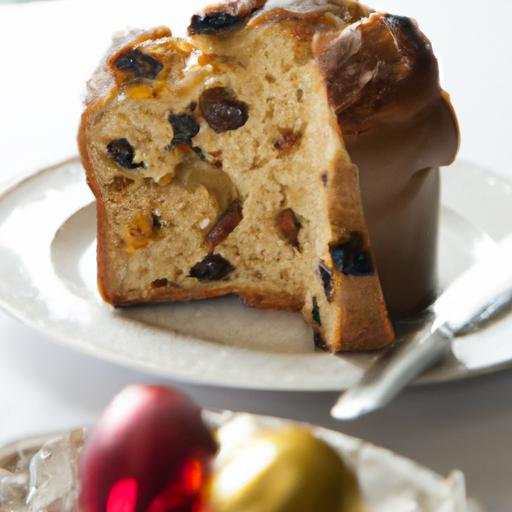
Mastering panettone dough planning is both a rewarding and intricate journey, inviting you to experience the magic behind Italy’s iconic holiday bread. Originating from Milan, this dome-shaped, airy sweet bread delights with its rich texture and delicate crumb punctuated by fragrant dried fruits. The secret lies not only in the recipe but in the meticulous attention to every step-from ingredient selection to the final cooling-that transforms simple flour and yeast into a culinary masterpiece.
Prep and Cook time
- Preparation: 4 hours (including active prep and resting times)
- Cooking: 50 minutes
- Total Time: Approximately 5 hours
yield
One classic 1 kg (2.2 lbs) panettone, serving 8-10 people.
Difficulty Level
Advanced – Requires patience and precision but promises extraordinary results.
Ingredients
- 270g all-purpose flour, sifted
- 170g bread flour
- 100g granulated sugar
- 5g fine sea salt
- 100ml whole milk, lukewarm (around 30°C/86°F)
- 4 large egg yolks, room temperature
- 15g fresh yeast or 7g active dry yeast
- 180g unsalted butter, softened
- 180g mixed dried fruits (candied orange peel, raisins, cherries)
- 1 tsp pure vanilla extract
- Zest of 1 lemon and 1 orange
- optional: 1 tbsp rum or warm water for soaking fruits
Instructions
- Activate the yeast: In a small bowl, dissolve the fresh yeast in lukewarm milk with a teaspoon of sugar. Allow it to bloom for 10 minutes until foamy, signaling the start of your dough’s rise.
- Prepare the fruit: While the yeast blooms, soak the dried fruit in rum or warm water for 15 minutes to plump. This step enhances moisture and flavor in your panettone.
- form the initial dough: In a large mixing bowl or stand mixer, combine the sifted flours, sugar, activated yeast mixture, and egg yolks. Mix on low speed until the ingredients come together and form a sticky dough. Let it rest covered for 20 minutes to hydrate the flour fully.
- Incorporate butter gradually: Add softened butter in small cubes, kneading continuously on medium speed. This process can take 10-15 minutes; the dough will become smooth, elastic, and tacky but not wet. A well-kneaded dough ensures the perfect panettone texture.
- First rise: Cover the bowl with a damp cloth or plastic wrap. Set in a warm, draft-free spot (about 26°C / 79°F). Allow to rise until doubled in size,approximately 2 hours.
- Mix in fruits and zest: Gently fold the drained dried fruit, lemon, and orange zest into the risen dough with a spatula, taking care not to deflate the air bubbles critical for fluffiness.
- Shape the dough: Transfer the dough onto a floured surface. Shape it into a rounded ball and place it into a panettone paper mold or a tall round cake pan lined with parchment.
- Second rise: Once again,cover and allow the dough to rise until nearly doubled and just above the mold’s edge. This final proof can take 1-1.5 hours. Avoid rushing, as this step unlocks the signature airy crumb.
- Bake: Preheat oven to 175°C (347°F). Optional: Score a cross on the dough’s top and dot with a small piece of butter for a glossy finish. Bake for 45-50 minutes, rotating halfway to ensure even coloring. The panettone is done when a skewer inserted comes out clean and the crust is golden brown.
- Cooling: This step preserves moisture and shape. Promptly after baking,insert two long skewers through the sides near the base and hang the panettone upside down (using the skewers resting on cabinet edges or tied strings). cool completely in this position for 4-6 hours to prevent collapse and maintain that iconic domed shape.
chef’s Notes for Success
- Ingredient quality matters: Use fresh, high-protein bread flour for strong gluten development. Better butter and fresh eggs directly elevate flavor and richness.
- Yeast alternatives: Fresh yeast delivers superior aroma and rise, but active dry yeast works well when fully activated.
- Patience is key: Resist the urge to rush rises. Slow fermentation creates complex flavors and light crumb.
- Fruit distribution: Coat dried fruits lightly in flour before adding to dough to prevent sinking.
- Make ahead: Panettone tastes better the day after baking. Wrap tightly and store in an airtight container to keep moisture locked.
Serving Suggestions
Slice panettone evenly to reveal its fragrant, fruit-studded interior. Serve slightly warmed with a pat of butter or mascarpone cheese to elevate richness. Pair with a glass of sweet Vin Santo or spiced coffee for a customary Italian holiday experience. For festive flair, dust with powdered sugar and garnish with fresh orange zest or edible gold leaf.

| Nutrient | Per Serving (1 slice) |
|---|---|
| Calories | 320 kcal |
| Protein | 6 g |
| Carbohydrates | 48 g |
| Fat | 9 g |
For more detailed baking guides, explore our Bread Baking Basics. To dive deeper into yeast fermentation science, visit the King Arthur Baking Guide.
Q&A
Q&A: Mastering Panettone – Essential Baking Tips for Beginners
Q1: What makes panettone so special compared to other sweet breads?
A1: Panettone is more than just a sweet bread; it’s a festive Italian tradition with a unique airy texture and rich, fruity flavor. Unlike regular breads, its tall dome shape, delicate crumb, and subtle citrusy aroma come from a slow fermentation process and a blend of dried fruits and candied peel that make it unmistakably joyful.
Q2: Is panettone tough for beginners to bake?
A2: While panettone may seem intimidating due to its long rising times and delicate dough, with patience and the right approach, beginners can absolutely master it. The key lies in understanding fermentation, handling the dough gently, and managing the proofing environment for optimal rise.Q3: What is the secret ingredient that gives panettone its characteristic fluffy texture?
A3: The secret often lies in an active natural yeast starter or a pre-ferment called “biga” that ensures a slow, flavorful rise. Combined with a high-hydration dough and plenty of time for fermentation, this makes the crumb light and airy-like a sweet, golden cloud.
Q4: Can I substitute regular yeast for natural starter when making panettone?
A4: Absolutely! While traditional panettone uses natural yeast, beginners can use active dry or instant yeast for convenience. Just remember to adjust rising times accordingly and give your dough enough time to develop flavor and structure.
Q5: How important is the fruit and candied peel in panettone? Can I skip or substitute them?
A5: The mix of dried fruits and candied peel is essential for that classic panettone flavor profile. You can customize it to your liking-think raisins, dried cranberries, or citrus zest-but skipping fruits altogether will make it more like plain sweet bread. Experimentation is encouraged, but the fruit adds depth and tradition.
Q6: What tips can help ensure my panettone rises properly and achieves the perfect dome?
A6: Warm proofing environments (around 75-80°F or 24-27°C), gentle handling of dough to preserve air bubbles, and using properly sized molds are crucial. Don’t rush the fermentation-patience rewards you with that signature height and fluffiness.
Q7: how do I prevent the top from burning while baking panettone?
A7: Panettone bakes at a moderate temperature but for a long time. To protect the top,some bakers tent it loosely with aluminum foil halfway through baking.This shields the crust while allowing the interior to cook through perfectly.
Q8: After baking, how should I store panettone to keep it fresh?
A8: once cooled completely, wrap your panettone tightly in plastic wrap or store in an airtight container. It keeps well for several days at room temperature,and you can also freeze slices for longer storage. Enjoying it fresh is best, but good storage extends the joy.
Q9: Can panettone be made vegan or gluten-free?
A9: Yes,but with some adjustments. Vegan panettone replaces eggs and butter with plant-based alternatives, while gluten-free versions require specialized flour blends and often xanthan gum to mimic elasticity. Both need careful handling but can be rewarding for those with dietary preferences.Q10: What’s the best way to enjoy homemade panettone?
A10: fresh slices with a smear of butter, dipped in coffee or sweet wine, or even toasted with a drizzle of honey elevate the experience. Panettone also shines as a base for bread pudding or French toast, making it a versatile holiday treasure beyond just slicing.
Mastering panettone is a journey of patience, love, and little floury fingers. Embrace the process, keep these tips close, and you’ll soon fill your kitchen with that warm, sweet aroma that spells celebration. buon appetito!
Concluding Remarks
As you close the final chapter on your panettone journey, remember that every loaf is a tasty lesson in patience, precision, and passion. Mastering this iconic Italian treat may seem daunting at first, but with these essential tips tucked into your apron pocket, you’re well on your way to creating fluffy, golden crowns of holiday joy. So, light your oven, embrace the gentle rise of your dough, and let the sweet scent of success fill your kitchen-because mastering panettone is not just about baking bread; it’s about crafting memories one slice at a time.