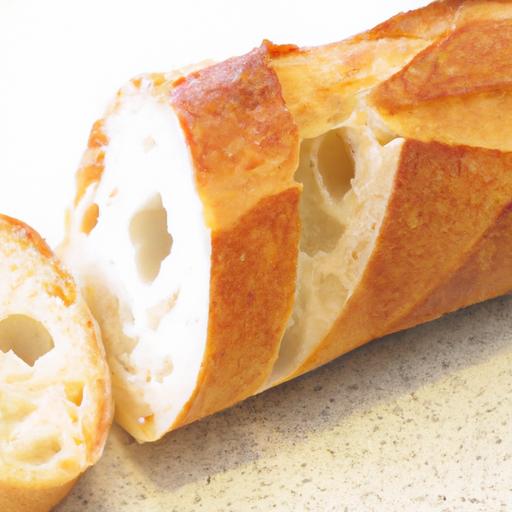



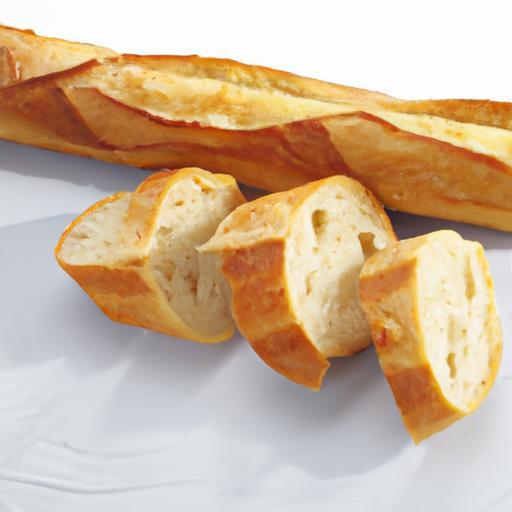
There’s something undeniably magical about the humble French baguette-a golden, crusty exterior giving way to a tender, airy crumb that has captured hearts and taste buds around the world. But beneath its rustic charm lies an art form, one that can seem intimidating to even the most keen home baker. What if you could master this iconic loaf in your own kitchen, turning simple ingredients into a fragrant, crispy masterpiece? In this article, we’ll unravel the secrets of the perfect baguette and guide you step-by-step through an easy homemade recipe. Get ready to fill your home with the irresistible aroma of fresh bread and impress friends and family with your newfound baking prowess. Welcome to your journey in mastering the art of the French baguette.
Master the Art of french Baguette: Easy Homemade Recipe invites you on a sensory journey to recreate the iconic, crusty bread that defines French baking excellence. Every crisp crackle of the crust and airy crumb speaks of tradition and patience, transforming your kitchen into a Parisian boulangerie with simple, authentic ingredients and carefully honed techniques.
Prep and Cook Time
- Preparation: 30 minutes
- Fermentation: 2 to 3 hours (plus optional overnight refrigeration)
- Baking: 20 to 25 minutes
- Total Time: Approximately 3 to 4 hours
Yield
2 classic French baguettes, perfect for sharing or savoring over several days.
Difficulty Level
Medium – Ideal for beginner bakers ready to elevate their skills with a bit of patience and practice.
Ingredients
- 3 ½ cups (450g) bread flour, sifted
- 1 ¼ cups (300ml) lukewarm water (about 75°F/24°C)
- 2 tsp (7g) active dry yeast
- 1 ½ tsp (9g) fine sea salt
- Optional: a pinch of diastatic malt powder to enhance crust color and flavor
Step-by-Step Instructions to Master the art of French Baguette: Easy Homemade Recipe
- Activate your yeast. In a small bowl, dissolve the yeast in lukewarm water and let it bloom for 5-7 minutes until foamy. This confirms the yeast is alive and ready to work its magic.
- Mix dry ingredients. In a large mixing bowl, whisk together the bread flour and salt evenly. If using malt powder, add it here to enrich the dough.
- Combine wet and dry. Slowly pour the yeast mixture into the flour mixture, stirring gently with a wooden spoon until a rough dough forms.
- Knead to develop gluten. Transfer the dough onto a lightly floured surface and knead for 10-12 minutes until it becomes smooth,elastic,and slightly tacky but not sticky. A well-kneaded dough holds its shape and traps air during fermentation.
- First fermentation. Place the dough into a lightly oiled bowl, cover with a damp cloth or plastic wrap, and let it rise at room temperature for 1.5 to 2 hours, or until doubled in size. This slow fermentation builds flavor and structure.
- Shape your baguettes. Gently deflate the dough and divide it into two equal portions. Roll each portion into a long, slender baguette shape (about 14 inches long) by flattening the dough into a rectangle, folding it lengthwise, and sealing the seam gently. Avoid pressing out the trapped air.
- Final proof. Transfer shaped baguettes onto a well-floured couche or parchment-lined baking sheet, cover with a clean towel, and allow them to proof for 45-60 minutes until puffed but not overproofed.
- Preheat the oven and prepare steam. Preheat your oven to 475°F (245°C) with a baking stone or heavy tray on the middle rack to mimic conventional deck ovens. Place a shallow pan on the bottom rack for steam.
- Slash for signature look. Using a sharp blade or lame, make 3-5 angled slashes along the top of each baguette. This not only enhances aesthetic appeal but allows the bread to expand beautifully during baking.
- Bake with steam. Before sliding the baguettes into the oven,pour a cup of hot water into the pan below to create steam. This technique promotes a glossy, blistered crust. Bake for 20-25 minutes until the crust turns golden brown and crisp.
- Cool and savor. Remove your baguettes carefully and let them cool on a wire rack for at least 30 minutes. This resting period helps the crumb set and deepens the flavor.
Tips for Success When You Master the Art of French Baguette: easy Homemade Recipe
- Use bread flour for higher protein content, essential for the strong gluten network characteristic of baguettes.
- Maintain lukewarm water temperature to nurture yeast activity without killing it.
- Keep your workspace lightly floured but avoid adding too much extra flour, which can toughen the dough.
- Rely on a digital kitchen scale for precise measurements to ensure consistent results.
- For even better flavor, consider an overnight cold fermentation in the fridge after the first rise, then shape and bake the next day.
- Invest in a baking stone or steel to replicate bread oven heat for that signature crust.
- Don’t skip steaming; it’s the secret behind a shiny, crackly crust and delightful crumb texture.
Serving Suggestions
Enjoy your baguettes sliced thick with rich crème fraîche and wildflower honey, or serve alongside a platter of artisanal cheeses and charcuterie. A simple smear of garlic butter or a drizzle of olive oil and flaky sea salt brings out their full rustic charm. Freshly baked baguettes also elevate classic French dishes like coq au vin or ratatouille, adding perfect textural contrast.

| nutrient | Per Serving (1/2 baguette) |
|---|---|
| Calories | 180 kcal |
| Protein | 6 g |
| carbohydrates | 37 g |
| fat | 1 g |
For more bread-making inspiration, check out our guide to artisan sourdough bread. For insight into ingredient science, visit the King Arthur Baking Bread Guide,a trusted authority on baking techniques.
Q&A
Q&A: Master the Art of French Baguette – Easy Homemade Recipe
Q1: What makes a French baguette truly authentic?
A1: Authenticity lies in the simplicity and precision. A traditional French baguette boasts a crisp, golden crust with a light, airy crumb inside. It’s all about flour quality, hydration, fermentation time, and that signature hand-shaped form. No fancy additives-just flour, water, yeast, and salt, combined with care and patience.
Q2: Can I really make a perfect baguette at home without professional equipment?
A2: Absolutely! While professional bakers use steam ovens and specialized tools, you can mimic these conditions with everyday kitchen items. A baking stone or heavy-duty tray,a misting spray bottle to create steam,and a sharp blade for scoring will take you a long way. The key is practice and attention to detail.
Q3: How important is the fermentation process in making a baguette?
A3: Fermentation is the heart of flavor and texture! Allowing your dough to rest and rise slowly-preferably with a long, cold fermentation in the fridge-develops complex flavors and improves the crumb’s structure. Skipping or rushing this step means missing out on that classic depth and character.
Q4: What’s the best way to shape baguettes at home?
A4: Shaping baguettes is an art in itself. After your dough has risen, gently stretch and fold it into an elongated cylinder, tapering the ends slightly.Use a light touch to avoid deflating the dough. With practice, your hands will “teach” you the perfect tension and form needed for that iconic baguette shape.
Q5: How do I achieve the perfect crust?
A5: Creating steam in the oven during the first 10 minutes of baking helps develop that irresistible crackly crust. You can spray water into the oven or place a pan of hot water inside. Also, baking your baguette on a preheated stone or tray allows for even heat distribution and a superb crust.
Q6: Any tips for scoring the baguette?
A6: Scoring isn’t just decorative-it directs how the bread expands while baking. Use a very sharp knife or a bread lame,and make swift,confident slashes at a shallow angle,about 3/4 inch deep. Aim for three to five cuts along the length, depending on your dough’s size.Q7: Can I customize the traditional recipe?
A7: while purists stick to the classic four-ingredient recipe, there’s room for creativity. Adding herbs, olives, or seeds can make your baguette uniquely yours, but remember, any additions will alter the texture and traditional flavor. Start with the classic method, then experiment once you’re agreeable.
Q8: How long does it take from start to finish to make a homemade baguette?
A8: Expect around 3 to 4 hours from mixing to baking, including the resting and fermentation times. Planning ahead for a slow, overnight fridge fermentation will stretch the timeline but greatly enhance flavor depth with minimal hands-on time.
Q9: What’s the biggest mistake beginners make?
A9: The most common pitfall is impatience-rushing through fermentation or baking at too high temperatures without steam. Also, overworking the dough or improper shaping can lead to dense, flat loaves. Patience and gentle handling turn dough into a masterpiece.
Q10: Any final advice for aspiring baguette bakers?
A10: Baguette-making is as much an experience as a recipe. Embrace the process, experiment boldly, and don’t fear mistakes. Every loaf teaches you something new. With time, you’ll not only master the art but also fall in love with the rhythm of bread-making and the simple joy of homemade French baguettes fresh from your oven. bonne chance!
Insights and conclusions
With your hands now familiar with the delicate rhythms of dough and your kitchen filled with the irresistible aroma of freshly baked baguette,you’ve unlocked a timeless culinary skill.Mastering the art of the French baguette isn’t just about following a recipe-it’s about embracing tradition, patience, and a passion for simplicity. So, whether you savor it warm with butter, pair it with cheese, or simply enjoy it on its own, remember that each loaf you bake is a tasty homage to centuries of French bakers.Happy baking, and may your homemade baguettes always be golden, crusty, and irresistibly delightful!