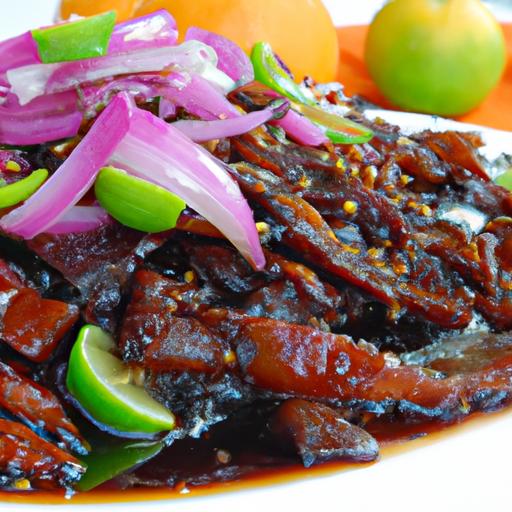



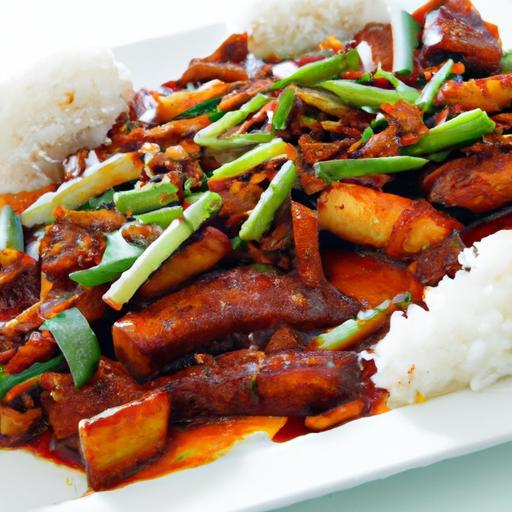
Nestled at the crossroads of East and West, singapore is a vibrant tapestry of cultures, histories, and tastes-where every street corner tells a story thru its flavors. “Savoring Singapore: A Street Food Journey of Flavors and Culture” invites you to embark on a tantalizing exploration beyond the typical dining experience. Here, humble hawker stalls become culinary theaters, serving up fragrant laksa, fiery chili crab, and the iconic Hainanese chicken rice, each bite a portal into the island’s rich heritage. Join us as we wander through bustling hawker centers and lively food markets, uncovering the secrets behind Singapore’s street food phenomenon-a delicious reflection of its diverse communities and enduring spirit.
Savoring Singapore street food is an immersive experience that thrills the senses and celebrates a tapestry of cultures through flavor. One iconic dish that encapsulates this vibrant culinary heritage is Char Kway Teow, a beloved wok-fried noodle delicacy synonymous with Singapore’s bustling hawker centers. Born from humble beginnings in Chinese immigrant communities, Char Kway Teow is a perfect example of how tradition meets taste, artfully combining bold flavors and textures in every bite.
Prep and Cook Time
- Preparation: 15 minutes
- Cooking: 10 minutes
- Total: 25 minutes
Yield
- serves 3-4 people
Difficulty Level
- Medium
Ingredients
- 250g fresh flat rice noodles (char kway teow)
- 150g raw peeled prawns
- 100g Chinese lap cheong sausage,sliced thinly
- 2 large eggs,lightly beaten
- 3 cloves garlic,minced
- 2 tbsp vegetable oil
- 2 tbsp soy sauce
- 1 tbsp dark soy sauce
- 1 tbsp fish sauce
- 100g bean sprouts,rinsed
- 2 stalks Chinese chives,cut into 2-inch pieces
- 1 tsp white pepper
- Optional: sliced red chili for garnish
Instructions
- Prepare your wok or large frying pan by heating it over high heat until it’s smoking slightly. Add 1 tablespoon of vegetable oil.
- Quickly stir-fry the minced garlic until fragrant, about 20 seconds.
- Add in the prawns and lap cheong sausage slices, stir-frying until the prawns turn pink and the sausage starts releasing its aroma, approximately 2 minutes.
- Push the ingredients to one side of the wok, pour in the beaten eggs, and scramble gently until halfway cooked.
- Introduce the fresh flat rice noodles into the wok. Toss continuously to combine with the eggs and seafood.
- Season generously by adding soy sauce, dark soy sauce, fish sauce, and sprinkle white pepper over the mixture. Stir well to ensure noodles are evenly coated and have a beautiful caramelized color.
- Add bean sprouts and Chinese chives, folding them in quickly to maintain their crispness and vibrant color. Stir-fry for another 1-2 minutes.
- Carefully taste and adjust seasoning if needed,adding more fish sauce or soy for depth.
- Transfer to serving plates immediately to enjoy the warm, smoky, and juicy noodles at their best.
Chef’s Notes
- use fresh,soft rice noodles when possible for authentic texture; frozen or dried require rehydration first.
- Maintain high heat to achieve the coveted “wok hei” (breath of the wok)-this smoky charred flavor is what sets street-style Char Kway Teow apart.
- Substitute prawns with cockles or shredded chicken for variation without losing authenticity.
- For spicier versions, add fresh chopped chili or a dash of chili paste during cooking.
- For ahead-of-time prep, chop ingredients and measure sauces; the stir-frying process itself is quick and best done fresh.
serving Suggestions
This dish shines served hot directly from the wok, garnished with extra chopped Chinese chives and a wedge of lime for a bright, zesty finish. Pair with a simple bowl of Hainanese Chicken Rice to explore more from Singapore’s street food tableau. Complement your meal with iced barley water or a refreshing lime juice for true hawker center vibes.

Nutritional Information
| Nutrition | Per Serving |
|---|---|
| Calories | 420 kcal |
| Protein | 25 g |
| Carbohydrates | 58 g |
| Fat | 10 g |
To deepen your journey into Singapore’s rich food culture and uncover more ways to create authentic dishes at home, visit the official Singapore tourism site for curated hawker center guides and seasonal specialties.
Q&A
Q&A: Savoring Singapore – A Street Food Journey of Flavors and Culture
Q1: What makes Singapore’s street food scene so unique?
A1: Singapore’s street food is a vibrant tapestry woven from its multicultural heritage-Chinese, Malay, Indian, Peranakan, and beyond. each hawker stall tells a story, blending centuries-old recipes with local twists. the result? A dazzling array of flavors ranging from fiery sambal to sweet kaya, all served up with warmth and authenticity.
Q2: Where should a first-timer begin their street food adventure in Singapore?
A2: Start at iconic hawker centers like Maxwell Food Center, Lau Pa Sat, or Chinatown Complex.Thes bustling hubs offer everything from Hainanese chicken rice to char kway teow, allowing newcomers to dive headfirst into Singapore’s culinary mosaic. Early mornings or evenings are ideal-when the aroma of freshly cooked delights fills the air.
Q3: Can you highlight some must-try dishes on this journey?
A3: Absolutely! Don’t miss these gems:
- Hainanese Chicken Rice: Tender poached chicken paired with fragrant rice and a trio of chili, ginger, and dark soy sauces.
- Char kway Teow: Wok-fried flat rice noodles with egg, Chinese sausage, and crispy lard for smoky goodness.
- Laksa: A rich, spicy coconut milk soup, brimming with noodles, prawns, and fish cake.
- Chilli Crab: Sticky, tangy, and sweet crab cooked in a luscious chili-tomato sauce-best enjoyed with mantou buns.
- Kaya Toast: Sweet coconut egg jam on crisp toast, paired with strong kopi (coffee) for breakfast bliss.
Q4: How does street food reflect Singapore’s cultural identity?
A4: Street food is more than sustenance-it’s a living museum of singapore’s diversity. Each dish carries the fingerprints of different ethnic groups, blending ingredients and cooking techniques that have traveled across seas and generations. Sharing a meal in a hawker center is like stepping into a communal storybook where culture, history, and culinary art converge.
Q5: Are there any etiquette tips for enjoying street food in Singapore?
A5: Yes! Be mindful of the queue-patience is a virtue, as these beloved stalls often draw long lines. Also, communal seating is common, so sharing a table with strangers is part of the experience. Don’t be shy to ask hawkers about their specialties or recommendations; many are proud custodians of their craft.
Q6: How has Singapore preserved its hawker food culture in modern times?
A6: The goverment and community have championed hawker culture, recognizing it as intangible heritage. Initiatives support hawkers with training, subsidies, and infrastructure upgrades.Recently, Singaporean hawker culture earned UNESCO Intangible Cultural Heritage status-a testament to its enduring significance and global appeal.
Q7: What role does street food play in a traveler’s experience of Singapore?
A7: Street food is the heartbeat of Singapore’s soul. Beyond sightseeing landmarks, tasting these dishes offers travelers an intimate connection to the city’s rhythms and people. Each bite carries a story,making the street food journey an unforgettable cultural immersion that nourishes both body and spirit.
Embark on your own flavorful pilgrimage through Singapore’s streets, where every dish invites you to savor the rich layers of history, community, and passion simmering just beneath the surface.
Final Thoughts
As the sun sets over Singapore’s vibrant streets, the city’s culinary tapestry continues to weave stories of heritage, innovation, and community. Each bite of chili crab, each spoonful of laksa, and every crispy bite of satay is more than just food-it’s a passport to the island’s rich cultural mosaic. Savoring Singapore through its street food is an invitation to explore not onyl flavors but the shared traditions and passions that bring locals and visitors together. So, whether your wandering through bustling hawker centers or hidden stalls off the beaten path, remember that every delectable morsel carries with it a story waiting to be savored. In Singapore, food is not just nourishment-it’s a journey through culture, history, and heart.