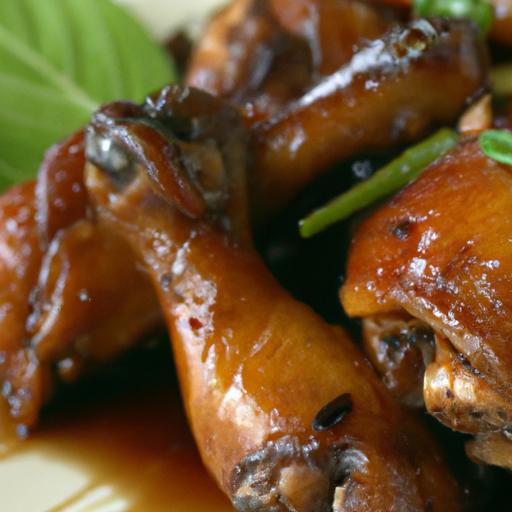



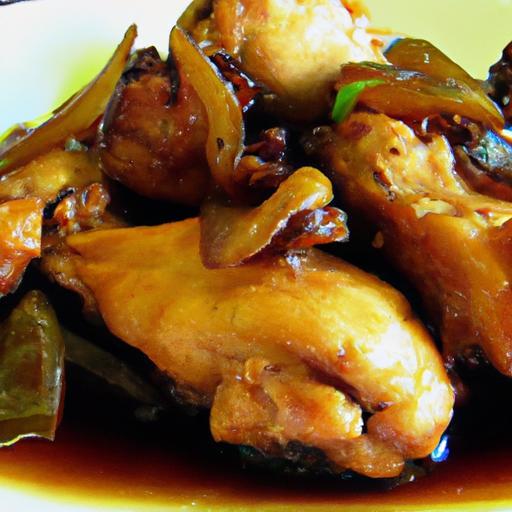
In the vibrant tapestry of Filipino cuisine,few dishes capture the heart and soul of the islands quite like Chicken Adobo. This beloved national treasure is more than just a recipe; it’s a flavorful journey through history, culture, and tradition. “Savor the True Taste: Authentic Filipino Chicken Adobo Recipe” invites you to unlock the secrets of this iconic dish-where tender chicken meets a harmonious blend of vinegar, soy sauce, garlic, and spices, simmered to perfection. Whether you’re a seasoned foodie or a curious culinary explorer, discovering the authentic flavors of Chicken Adobo promises not only a delicious meal but a genuine connection to the warmth and spirit of the Philippines. Join us as we delve into the essence of this timeless classic and learn how to bring its true taste to your own kitchen.
Savor the True Taste of Authentic Filipino Chicken Adobo, a beloved dish that embodies the rich history and vibrant culture of the Philippines. Rooted in centuries-old traditions,this hearty stew is a perfect balance of tang,savory umami,and subtle sweetness,creating an unforgettable flavour that has captivated food lovers worldwide. Passed down through generations, chicken adobo is more than just a meal-it’s a story on a plate, representing Filipino resilience, ingenuity, and the warmth of home-cooked comfort.
Prep and Cook Time
- Preparation: 15 minutes
- Marinating: 1 hour (optional but recommended)
- Cooking: 45 minutes
- Total Time: 1 hour 45 minutes
Yield
- Serves 4 hearty portions
Difficulty Level
- Easy to Medium – perfect for both beginners and seasoned home cooks
Choosing the Perfect Ingredients for an Authentic flavor
For the most authentic and mouthwatering chicken adobo, selecting fresh and quality ingredients is essential. filipino chicken cuts-preferably bone-in, skin-on thighs-deliver tender, juicy meat packed with flavor. Customary recipes feature native cane vinegar, which gives adobo its signature tang while softening the chicken to perfect tenderness. soy sauce should be dark and naturally brewed for depth. Don’t forget the aromatic garlic cloves, whole black peppercorns, and bay leaves for that unmistakable earthiness.A pinch of brown sugar balances the acidity, creating a harmonious sweet-and-sour profile.
Ingredients
- 2 lbs chicken thighs, bone-in, skin-on
- 1/2 cup cane vinegar (or white vinegar if unavailable)
- 1/2 cup dark soy sauce, naturally brewed
- 8 cloves garlic, peeled and crushed
- 2 bay leaves
- 1 teaspoon whole black peppercorns
- 1 cup water or chicken broth
- 1 tablespoon brown sugar
- 2 tablespoons cooking oil (vegetable or canola)
- Salt to taste
Step-by-Step Guide to Crafting the Classic Chicken Adobo
- Marinate the chicken: In a large bowl, combine chicken thighs, vinegar, soy sauce, garlic, bay leaves, and peppercorns. Marinate for at least 1 hour to allow the flavors to penetrate the meat deeply.
- Sear the chicken: Heat the cooking oil in a large skillet over medium heat. Remove chicken from marinade (reserve marinade) and pat dry.Sauté chicken, skin side down, until golden brown and crisp, about 5-7 minutes per side. This step adds texture and richness.
- Simmer with marinade: Pour reserved marinade and water (or broth) into the skillet. Sprinkle in the brown sugar and gently stir to dissolve. bring the mixture to a gentle boil,then reduce heat to low. Cover and simmer for 30 minutes,turning the chicken occasionally for even cooking.
- Reduce the sauce: Remove the lid and increase heat to medium-high. Let sauce reduce until slightly thickened, about 10-15 minutes. This step intensifies the classic adobo glaze, which beautifully coats the chicken.
- Adjust seasoning: Taste the sauce and add salt if needed. Some prefer a sharper tang-feel free to splash a little more vinegar, balancing to your liking.
- Serve warm: Transfer chicken and sauce to a serving dish and garnish with freshly cracked black pepper or green onions for a pop of color and freshness.
Tips and Variations to Elevate Your Adobo Experience
- Make it your own: Experiment by adding potatoes or boiled eggs to the stew for heartier texture.
- Smoked twist: Try using smoked soy sauce or adding a drop of liquid smoke for a subtle smoky aroma.
- Sweeten naturally: Swap brown sugar for coconut sugar or honey for a nuanced sweetness.
- Make ahead: Chicken adobo tastes even better the next day as flavors meld beautifully. Store in an airtight container and gently reheat.
- Healthier options: Use skinless chicken breasts and reduce oil to make a lighter version without sacrificing flavor.
Serving Suggestions
This dish deserves the simplest yet most satisfying presentation. serve hot chicken adobo over freshly steamed white jasmine or garlic rice, allowing the sauce to soak into the grains. Garnish with thinly sliced spring onions or a side of pickled papaya (atchara) to provide a crunchy, tangy contrast. A crisp cucumber salad or blanched greens like kangkong (water spinach) also balance the rich flavors beautifully. For an extra visual appeal, drizzle some of the glossy adobo sauce over the chicken just before serving.

| Nutrient | Per Serving |
|---|---|
| Calories | 320 |
| Protein | 28 g |
| Carbohydrates | 8 g |
| Fat | 18 g |
For more insights into filipino cuisine and home-style recipes,explore our Filipino Cuisine Guide.
To deepen your gratitude of the cultural roots behind vinegar and soy-based marinades, check out this detailed history at National geographic.
Q&A
Q&A: Savor the True Taste – Authentic Filipino Chicken Adobo Recipe
Q1: What makes Filipino Chicken Adobo truly authentic?
A1: Authentic Filipino Chicken Adobo isn’t just about simmering chicken in soy sauce and vinegar. it’s a harmonious blend of tangy, salty, and savory notes that come from the perfect marriage of simple, everyday ingredients-soy sauce, vinegar, garlic, bay leaves, and peppercorns-slow-cooked until the flavors deeply mingle. The secret lies in balance: the vinegar adds that signature tang, while the soy sauce brings depth, all rounded off by fragrant garlic and earthy bay leaves.
Q2: Is there a specific type of chicken best for making adobo?
A2: traditionally, bone-in, skin-on chicken pieces like thighs and drumsticks are preferred. These cuts hold up well during slow cooking, maintaining juiciness and adding a rich mouthfeel. The bones impart extra flavor, while the skin crisps up beautifully if finished with a quick pan sear.
Q3: can the recipe vary based on region or family tradition?
A3: Absolutely! Filipino Adobo is as diverse as the islands themselves. Some regions add coconut milk for creaminess, while others include potatoes or pineapple for a sweet twist. Family recipes may introduce paprika, sugar, or even banana blossoms. But at its core, the authentic adobo stays true to its key elements-vinegar, soy sauce, garlic-with each cook adding their own heart and heritage.
Q4: How long should chicken adobo be simmered for optimal flavor?
A4: Simmering for at least 40 minutes to an hour allows the chicken to absorb the marinade’s complexity and become tender.Slow cooking creates a luscious sauce that’s rich and slightly sticky. Patience here is a virtue-rushing the process risks underdeveloped flavors and tougher meat.
Q5: Can I make chicken adobo ahead of time? Does it taste better as leftovers?
A5: In fact, chicken adobo improves overnight! As it rests, the flavors deepen and meld, turning into a more concentrated, harmonious dish. Refrigerate and reheat gently before serving, and you’ll discover why filipino families often say adobo is one of the best “leftover” meals.
Q6: What are the best side dishes to serve with chicken adobo?
A6: Steamed white rice is the classic companion, offering a simple, clean canvas for the sauce’s bold flavors. For something extra, try garlic fried rice or sautéed greens like kangkong (water spinach). Pickled vegetables or atchara (pickled papaya) add a refreshing crunch and acidity contrast.Q7: How can I personalize my adobo without losing authenticity?
A7: Personalizing adobo is all about subtle tweaks. Feel free to adjust vinegar and soy sauce ratios to your taste-some prefer it tangier, others saltier. Adding a touch of brown sugar can lend a subtle sweetness. experiment with smoked paprika for a hint of warmth or coconut vinegar for a different acidic twist. Just remember to respect the fundamental adobo character: bold, balanced, and comforting.
Q8: What’s the best cooking vessel for making adobo?
A8: A heavy-bottomed pan or a Dutch oven is ideal. These retain heat evenly, allowing the chicken to simmer gently without scorching, and help reduce the sauce to the perfect consistency. Avoid overly large pots that evaporate too fast or thin pans that burn the sauce.
Q9: Why is adobo often called the unofficial national dish of the Philippines?
A9: Adobo embodies the Filipino spirit-resourcefulness, simplicity, and deep-rooted flavor. It arose from indigenous techniques of marinating and preserving food, later influenced by Spanish colonial flavors. Its universal appeal, ease of preparation, and satisfying taste have made it a culinary symbol that crosses regional and cultural lines.
Q10: Where can I find authentic soy sauce and vinegar for the best adobo flavor?
A10: Look for Filipino brands like Silver Swan or Datu Puti, which offer the traditional all-purpose soy sauce and cane vinegar. these have a distinct profile that’s less sweet and sharper than some international varieties. If unavailable,use a naturally brewed soy sauce and a white or apple cider vinegar with a clean,radiant acidity.
Enjoy your journey into the soul of Filipino cooking-one tender, tangy bite of chicken adobo at a time!
To Wrap it Up
embarking on the journey to master authentic Filipino Chicken Adobo is more than just following a recipe-it’s about embracing a rich culinary heritage that tells stories of tradition, family, and culture with every flavorful bite. As you savor the savory balance of vinegar, soy, garlic, and spices, you’re not just enjoying a meal; you’re connecting with the heart of the Philippines. so gather your ingredients, immerse yourself in this timeless dish, and let each simmering pot bring a taste of home, warmth, and history to your table. After all,true flavor is found not just in the recipe,but in the stories it carries and the memories it creates.