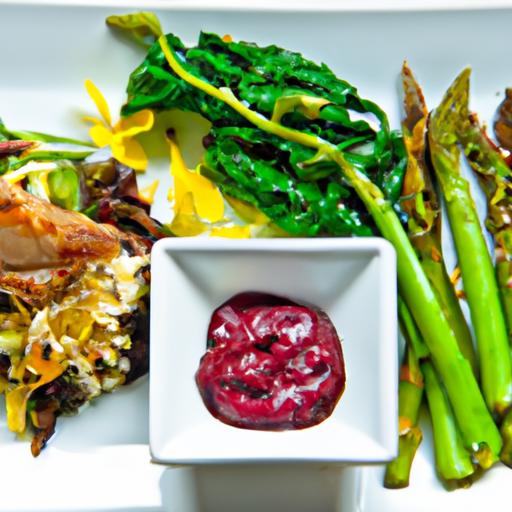



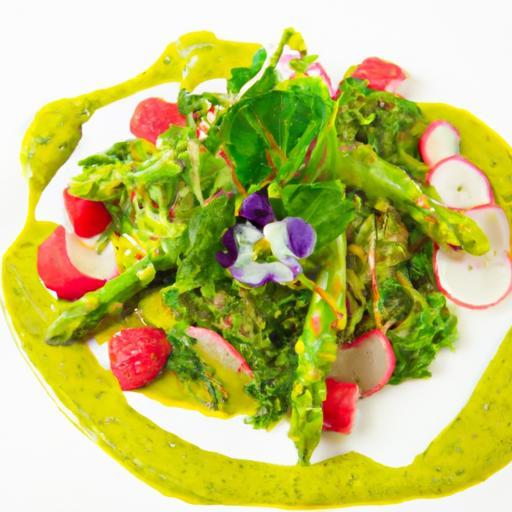
in the lush tapestry of global cuisine, Asian flavors have long dazzled palates with their bold spices, intricate techniques, and vibrant aromas. Now, a fresh revolution is blossoming where tradition meets innovation-welcome to the world of plant-based Asian feasts. “East Meets Green” invites you on a sensory journey through colorful markets, fragrant kitchens, and centuries-old recipes reimagined with vegetables, legumes, and grains at their heart. this exploration reveals how time-honored dishes are being transformed into dynamic plant-powered celebrations,marrying cultural heritage with modern sustainability. Join us as we uncover the rich, vibrant possibilities when East truly meets green.
East Meets Green: Exploring Vibrant Plant-Based Asian Feasts introduces a kaleidoscope of flavors and textures that connect centuries of East Asian culinary heritage with modern plant-based innovation. This recipe celebrates the synergy between traditional vegetables like bok choy, shiitake mushrooms, and daikon radish, alongside nutrient-dense superfoods such as black sesame seeds and fermented tofu. It’s a dish that enchants the palate with contrasts-crisp against silky, umami-rich against subtly sweet-while honoring the essence of ancient Asian feasts.
Prep and Cook Time
- Planning: 20 minutes
- Cooking: 25 minutes
- Total Time: 45 minutes
Yield
Serves 4
Difficulty Level
Medium – Perfect for home cooks with some experience looking to explore layered flavors and textures.
Ingredients
- 2 cups baby bok choy, halved lengthwise
- 1 cup shiitake mushrooms, thinly sliced
- 1 medium daikon radish, julienned
- 1 cup cooked black rice (can substitute with forbidden rice or wild rice)
- 1 block (150g) fermented tofu, mashed
- 3 tbsp toasted black sesame seeds
- 1 tbsp finely grated fresh ginger
- 3 cloves garlic, minced
- 2 tbsp tamari or soy sauce
- 1 tbsp rice vinegar
- 1 tbsp toasted sesame oil
- 1 tsp maple syrup or agave nectar
- 3 scallions, finely sliced on the bias
- 1 fresh red chili, thinly sliced (optional, for heat)
- Fresh cilantro sprigs for garnish
Instructions
- Prep the Vegetables: Rinse and halve the baby bok choy lengthwise, slice shiitake mushrooms thinly, and julienne the daikon radish into matchstick pieces for crunch and freshness.
- toast the Sesame Seeds: In a dry skillet over medium heat, toast black sesame seeds for 2-3 minutes until fragrant, stirring constantly. Set aside.
- Heat Sesame Oil: In a large wok or skillet, heat 1 tbsp toasted sesame oil over medium-high heat. Add the minced garlic and grated ginger; sauté for 1-2 minutes until aromatic.
- Sauté the Mushrooms and Bok Choy: Add the sliced shiitake mushrooms and bok choy halves to the wok. Stir-fry for 5-7 minutes until mushrooms release their juices and bok choy edges begin to wilt but retain crunch.
- Incorporate Daikon Radish: Toss in julienned daikon radish to maintain crispness, stirring for 1 minute to combine without softening the radish too much.
- Add Flavors and Rice: Stir in mashed fermented tofu, tamari, rice vinegar, and maple syrup, blending well to create a savory-sweet umami sauce. Fold in the cooked black rice gently, ensuring even coating without mashing the grains.
- Final Touches: Remove from heat and sprinkle toasted black sesame seeds and sliced scallions. Add thin slices of red chili if desired, stirring once to distribute heat evenly.
- Plate and Garnish: Mound the vibrant stir-fry in shallow bowls and garnish with fresh cilantro sprigs for a burst of herbal brightness.
Chef’s Notes
- Fermented Tofu Substitute: If unavailable, blend 2 tbsp miso paste with 1 tbsp tahini for a similar fermented umami depth.
- Texture Balance: Retain crispness by quickly sautéing vegetables over high heat and avoid overcrowding the pan.
- Make-Ahead: Prepare the black rice and toasted sesame seeds in advance for quicker assembly.
- Spice Level: Adjust chili inclusion to taste; fresh chili slices add a shining, sharp heat that elevates the dish.
- Greens Variation: Substitute bok choy with gai lan (Chinese broccoli) or mizuna for seasonal adaptability.
Serving Suggestions
this dish shines when served alongside steamed jasmine rice or wrapped in lettuce cups for a refreshing contrast. Accompany it with a light cucumber and daikon salad dressed in rice vinegar and sesame oil to elevate the feast further. Pairing with a chilled green tea or lightly sparkling yuzu soda complements the vibrant flavors beautifully.
| Nutrient | Per Serving |
|---|---|
| Calories | 280 kcal |
| Protein | 8 g |
| Carbohydrates | 42 g |
| Fat | 7 g |

Discover more about authentic Asian plant-based dishes in our Plant-Based East Asian Recipes Collection, and deepen your understanding of fermented flavors through this scientific insight on fermentation in Asian cuisine.
Q&A
Q&A: East Meets Green – Exploring Vibrant Plant-Based Asian Feasts
Q1: What dose the phrase “East Meets Green” mean in the context of Asian plant-based cuisine?
A1: “East Meets Green” beautifully encapsulates the marriage of traditional Asian culinary heritage with modern, plant-based innovation.It reflects how the vibrant, time-honored flavors of Eastern cooking are being reimagined using wholesome, green ingredients-celebrating sustainability, health, and bold taste all at once.
Q2: Why is Asian cuisine especially suited for plant-based adaptations?
A2: Asian cuisines have long embraced plant-forward dishes with an abundance of vegetables, tofu, legumes, and unique herbs and spices. The diversity-from fragrant Thai basil to umami-rich miso-offers endless opportunities to craft deeply flavorful plant-based meals that don’t compromise on texture or mouthfeel.
Q3: What are some signature ingredients that bring vibrancy to plant-based Asian feasts?
A3: Ingredients like fresh ginger, lemongrass, fermented black beans, aromatic sesame oil, and fiery chili peppers are the heartbeats of flavor.Add tofu, tempeh, jackfruit, shiitake mushrooms, and a kaleidoscope of colorful veggies, and you have a palette that creates dishes bursting with complexity and visual appeal.
Q4: Can you give examples of classic asian dishes that have inspired plant-based twists?
A4: Absolutely! Think of a silky vegan mapo tofu replacing pork with mushrooms and broad beans, or crispy general tso’s cauliflower swapping out chicken but keeping that sweet-spicy tang. There’s also vegan bibimbap, loaded with an array of marinated veggies and gochujang, or a fragrant coconut curry utilizing jackfruit or chickpeas instead of meat.Q5: How do plant-based Asian feasts contribute to enduring and mindful eating?
A5: By leaning into plants, these feasts reduce environmental impact-lessening reliance on resource-heavy animal farming. Plus,the tradition of shared meals and mindful eating in many Asian cultures encourages slowing down,savoring layers of flavor,and connecting with the food and company,promoting holistic wellness.
Q6: What tips do you have for someone eager to start cooking vibrant plant-based Asian dishes at home?
A6: Start simple: experiment with sauces like soy, tamari, or hoisin paired with fresh aromatics. Embrace ingredients like tofu or tempeh as versatile protein bases. Don’t shy away from fermentation-kimchi and pickled veggies add that umami punch. And most importantly, taste as you go to balance sweet, salty, sour, and spicy notes in harmony.Q7: Where is the future of plant-based Asian cuisine headed?
A7: The future is bright and bountiful! Expect more fusion of ancient traditions with cutting-edge innovation-think plant-based seafood alternatives crafted with seaweed or mushroom magic,and vibrant street-food inspired snacks. As awareness grows,so too will the accessibility and creativity of plant-powered Asian fare,feeding a movement that honors both culture and the planet.
to sum up
As the vibrant flavors of East Asia meld seamlessly with the fresh, wholesome bounty of plant-based ingredients, a new culinary landscape emerges-one that honors tradition while embracing innovation. Exploring these colorful, nutrient-rich feasts not only delights the palate but also invites us to reconnect with nature’s abundance in a mindful, tasty way. Whether you’re a seasoned vegan or simply curious, diving into these plant-powered asian dishes offers a feast for the senses and a glimpse into the future of food-where culture and sustainability thrive side by side on every plate.