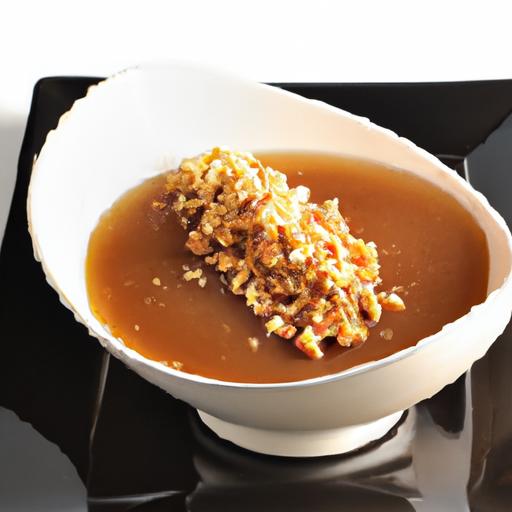

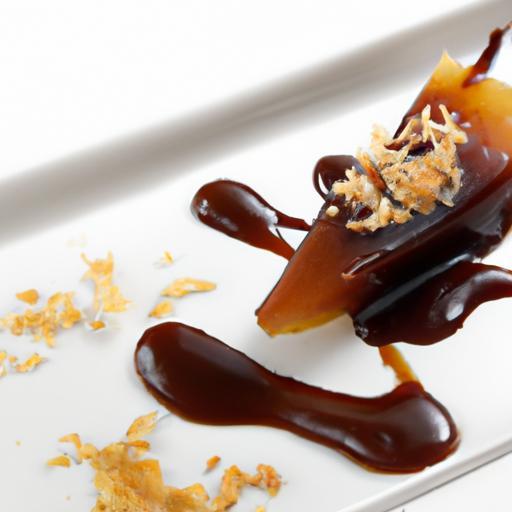
In the vibrant tapestry of Vietnamese cuisine, few ingredients captivate the palate quite like caramel sauce-known locally as “kẹo nước” or simply “nước màu.” Beyond its luscious amber glow and irresistibly sweet allure lies a interesting world of culinary artistry and cultural heritage. This is not just any caramel; it is indeed a carefully nurtured tradition, a delicate balance of science and intuition that transforms simple sugar into a complex symphony of flavors. In this article, we embark on a delectable journey to uncover the sweet science behind Vietnamese caramel sauce, exploring how precise heat, timing, and technique converge to create a condiment that enriches everything from savory dishes to desserts. Prepare to unravel the secrets simmering in every drop of this golden elixir, and discover why it holds a special place at the heart of Vietnam’s kitchens.
The Sweet Science of Vietnamese Caramel Sauce is an exquisite culinary tradition that weaves together history, culture, and an artful balance of flavors. known locally as “nước màu,” this sauce is more than a simple condiment-it’s a testament to Vietnam’s resourceful and vibrant cuisine. Rooted in the rural kitchens of the Mekong Delta, this caramel embodies an enigmatic interplay between deep, nutty bitterness and luscious sweetness that elevates everyday dishes into exceptional experiences.
Growing up, I watched my grandmother transform humble sugar into a glossy, amber-hued syrup, her hands steady as the caramel slowly thickened in the hot pan. This sauce was the secret in every beloved family meal-drizzled over braised pork, swirled into stir-fries, or even stirred in a cup of black coffee. Understanding how to master the sweet science of Vietnamese caramel sauce reveals not only a way to enrich flavors but also a gateway to appreciating Vietnam’s culinary soul.
Prep and Cook Time
- Preparation: 5 minutes
- Cooking: 15 minutes
- Total: 20 minutes
yield
Approximately 1 cup of Vietnamese caramel sauce (serves 6-8 as a flavor enhancer)
Difficulty Level
Medium – Requires attentive technique and timing
Essential Ingredients for Authentic Vietnamese Caramel Sauce
- 1 cup granulated white sugar
- 4 tablespoons water
- 3 tablespoons fish sauce (preferably high quality and moderately aged)
- 1/4 cup hot water (to stop the cooking process and thin the sauce)
- Optional: 1 tablespoon coconut water (adds subtle depth and complexity)
Step-by-Step Instructions to Perfect Vietnamese Caramel Sauce
- Combine the sugar and water in a heavy-bottomed saucepan over medium heat. Gently swirl the pan to even out the mixture but do not stir,as this can cause crystallization.
- Watch the sugar melt slowly, turning a pale amber then deep amber hue. This process takes about 8-12 minutes; patience is key to avoid burning.
- Once the caramel reaches a rich amber color, instantly pour in the fish sauce carefully-be cautious as it will bubble vigorously. Stir gently to combine, infusing the caramel with a signature umami punch.
- Remove the mixture from heat, then whisk in the hot water (and coconut water, if using) to stop the cooking and create a luscious, pourable sauce.
- Return to low heat briefly,stirring until the caramel sauce achieves a glossy consistency.
- Cool slightly before use. Transfer to a clean jar for storage. The sauce thickens as it cools but can be gently reheated before serving.
Tips for Success: Expert Advice on Vietnamese Caramel Sauce
- Choose your sugar wisely: Standard granulated sugar works best, but experimenting with palm sugar or unrefined cane sugar can add delightful nuances.
- Control your heat: Use medium to medium-low heat and resist stirring until caramelization begins. Swirling the pan encourages even melting and prevents crystallization.
- Fish sauce quality matters: Opt for a balanced fish sauce with moderate saltiness and depth for the best flavor integration.
- If the caramel crystallizes: Start over, or carefully add a small amount of acid (like a teaspoon of lime juice) early in the process for stability.
- Storage: keep refrigerated for up to two weeks. Reheat gently before stirring into dishes.
Creative Culinary Uses and Pairing Tips for Vietnamese Caramel Sauce
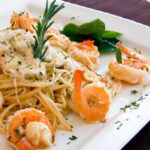
This versatile sauce complements a variety of dishes. Classic thịt kho (braised pork belly) is renowned for its rich, caramelized coating.Try drizzling it over roasted vegetables or grilled seafood for an exotic glaze. Its bittersweet umami qualities also make it amazing in dipping sauces-combine with garlic and chili for an instant crowd-pleaser.
For a sweeter twist, stir into Vietnamese-style iced coffee for a smooth, luscious-sweet finish. Garnish savory plates with a drizzle of caramel sauce and a sprinkle of freshly sliced scallions or crushed peanuts to contrast texture and flavor. The sauce’s elegance balances richness with complexity, inspiring you to experiment in your kitchen.
Nutritional Data
| Nutrient | Per 2 tbsp |
|---|---|
| Calories | 100 |
| Protein | 0g |
| Carbohydrates | 26g |
| Fat | 0g |
| Sodium | 450mg |
Related Recipes and Further Reading
For more inspiration on Vietnamese cooking techniques and flavor profiles,explore our signature braised pork belly (Thịt Kho) recipe. To deepen your understanding of caramel science and safety, visit this Cook’s Illustrated caramel guide.

Q&A
Q&A: The Sweet Science of Vietnamese Caramel Sauce Uncovered
Q: What makes Vietnamese caramel sauce different from the caramel sauces we’re used to?
A: Unlike the typical Western caramel sauce that often relies heavily on butter and cream, Vietnamese caramel sauce-known as nước màu or caramelized sugar sauce-is a simpler, purer expression of caramelization. It’s crafted by patiently melting sugar until it reaches a deep amber glow and then carefully tempered with water or fish sauce. The result is a beautifully balanced umami-laced sweetness with smoky undertones, rather than a rich, creamy dessert topping. It’s a foundational flavor essence in savory Vietnamese dishes.
Q: How did caramel become such an essential part of Vietnamese cooking?
A: The roots of Vietnamese caramel sauce stretch back centuries, intertwining with the contry’s resourceful culinary philosophy. Sugarcane is abundant in Vietnam, and the ability to transform raw sugar into a concentrated caramel syrup was both practical and tasty. It allowed cooks to add depth and color to simple ingredients, especially meats, turning humble dishes into something vibrantly flavorful. Over time,caramel became more than a technique-it morphed into a cultural symbol of balancing sweet and savory in Vietnamese palates.
Q: What is the chemistry behind creating the perfect Vietnamese caramel sauce?
A: At its core, the magic lies in the Maillard reaction and caramelization. When sugar is heated beyond 320°F (160°C), it undergoes caramelization-molecules break down and recombine into hundreds of flavor compounds, evoking notes of toffee, butterscotch, and slight bitterness. Vietnamese caramel sauce is carefully cooked to the precise amber point-too light, and it’s bland; too dark, and it turns bitter. Then, water is added to stop the cooking and create a viscous syrup, sometimes enhanced by a splash of fish sauce or salt, which amplifies umami and rounds out the flavor.
Q: Which conventional dishes showcase this sweet science most brilliantly?
A: Classic dishes like thịt kho tàu (braised pork belly and eggs) are the perfect canvas for caramel sauce’s magic. The sauce infuses the succulent pork with a deep, glossy mahogany color and a harmonious dance of sweet, salty, and savory flavors. Another beloved example is caramelized ginger fish or chicken, where the sauce’s sticky richness perfectly coats tender proteins. Even simple stir-fries and dipping sauces gain a soulful depth when drizzled with a touch of caramelized sugar syrup.
Q: Can this caramel sauce be made at home easily, or is it a cooking secret guarded by grandmothers?
A: While the technique may seem intimidating-requiring a watchful eye and steady hand-the secret to great Vietnamese caramel sauce is patience and attentiveness, not mystery.With just sugar, water, and perhaps a pinch of salt or a little fish sauce, home cooks can recreate its magic. The key is to heat slowly and resist stirring too much, allowing the sugar to melt evenly and develop rich flavor layers. Once mastered, it opens up a world of authentic Vietnamese culinary experiences right in your own kitchen.
Q: How has Vietnamese caramel sauce influenced modern fusion or global cuisines?
A: the allure of Vietnamese caramel’s complex sweetness has caught the attention of chefs worldwide.Beyond traditional dishes, it’s inspiring creative twists: caramelized pork sliders with pickled veggies, smoky caramel glazes for grilled seafood, and even desserts that blend Asian and Western sweet profiles. Its balance of sweet, savory, and umami is a delicious reminder that caramel isn’t just for candy-it’s a versatile culinary pigment painting bold, flavorful stories across plates and cultures.
Through the alchemy of heat, patience, and a humble handful of ingredients, Vietnamese caramel sauce transforms ordinary meals into extraordinary feasts-truly a sweet science worth uncovering.
Insights and Conclusions
as the final drizzle of that luscious, amber-hued caramel sauce settles onto your favorite Vietnamese dessert, it’s clear that this isn’t just any sweet topping-it’s a symphony of tradition, chemistry, and culture all perfectly balanced in every sticky, smoky drop. Understanding the science behind Vietnamese caramel sauce not only enriches our appreciation for its complex flavors but also invites us to savor the artistry woven into every caramelized thread.So next time you indulge in bánh flan or cà phê sữa đá with a caramel swirl,remember: your tasting a delicate dance of heat and sugar,history and innovation-a true testament to the sweet science that makes Vietnamese caramel sauce an irresistible treasure.