

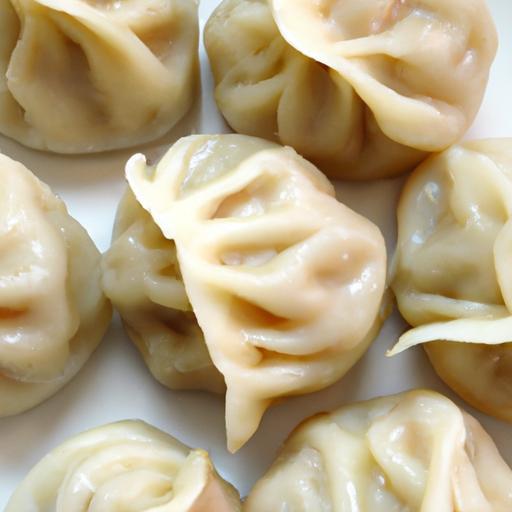
There’s something undeniably magical about the humble Chinese dumpling-a delicate parcel of flavorful fillings wrapped in tender dough, steamed or pan-fried to golden perfection. Across centuries and continents, these little bites have captured hearts and taste buds alike, symbolizing tradition, celebration, and comfort. But what if you could bring this culinary wonder into your own kitchen? mastering the art of homemade chinese dumpling recipes isn’t just about following a set of instructions; it’s about embracing a rich heritage, honing your skills, and savoring the joy of creating something truly authentic from scratch. Join us as we unravel the secrets, techniques, and flavors that will empower you to craft perfect dumplings today-turning every meal into a celebration of culture and taste.
Master the Art of Homemade Chinese Dumpling recipes Today and elevate your culinary skills with dumplings that burst with flavor and boast irresistibly tender wrappers. Whether you’re a novice or a seasoned home cook, understanding how to choose the perfect dough, craft authentic fillings, fold with finesse, and master cooking methods is essential to achieve that coveted succulent texture that makes every bite a delight.
Prep and Cook Time
- Preparation: 30 minutes
- Cooking: 15 minutes
- Total: 45 minutes
Yield
Approximately 40 dumplings (serves 4)
Difficulty Level
Medium – great for adventurous home cooks ready to master technique and flavors
Ingredients
- Dough: 3 cups all-purpose flour, sifted
- Water (dough): 1 cup warm water (120°F/49°C)
- Filling:
- 12 oz ground pork (preferably with 20% fat content for juiciness)
- 1 cup finely chopped Napa cabbage, salted and drained
- 3 scallions, finely chopped
- 2 tbsp ginger, minced
- 2 cloves garlic, minced
- 2 tbsp soy sauce (light)
- 1 tbsp Shaoxing wine (or dry sherry)
- 1 tbsp toasted sesame oil
- 1 tsp white pepper
- 1/2 tsp salt
- 1 tsp sugar
Instructions
- Make the Dough: In a large bowl, slowly pour warm water into the flour, mixing with chopsticks or a fork until shaggy dough forms. Knead on a lightly floured surface for about 8-10 minutes, until smooth and elastic. Cover with a damp towel and let rest for 30 minutes to relax the gluten.
- Prepare the Filling: Squeeze excess water from the salted cabbage. In a medium bowl, combine ground pork, cabbage, scallions, ginger, garlic, soy sauce, Shaoxing wine, sesame oil, white pepper, salt, and sugar. Mix thoroughly but gently, using your hands or chopsticks, until the mixture becomes sticky and well combined.
- Roll out Wrappers: Cut the rested dough into 40 equal portions. Roll each portion into a small ball,then flatten with your palm. Using a rolling pin, roll each into a 3-inch diameter circle, ensuring edges are thinner than the center for perfect folding and cooking.
- Fill the Dumplings: Place about 1 tablespoon of filling in the center of each wrapper. Moisten the edges with water, then fold and pleat expertly (see techniques below) to seal tightly, preventing leaks during cooking.
- Cook Dumplings: Choose your preferred method:
- boiling: Bring a large pot of salted water to a boil, add dumplings, stir gently. When they float, cook for 2 more minutes. Remove with a slotted spoon.
- Steaming: Line a bamboo steamer with parchment paper or cabbage leaves to prevent sticking. Steam over boiling water for 10-12 minutes until dough turns translucent.
- Pan-frying (Potstickers): Heat 2 tbsp oil in a non-stick skillet over medium heat. Place dumplings flat side down, cook until bottoms are golden (about 3 minutes), then add 1/3 cup water, cover tightly, and steam until water evaporates (about 6 minutes). Remove cover and crisp bottoms for 2 more minutes.
Techniques for Folding Dumplings Like a Pro
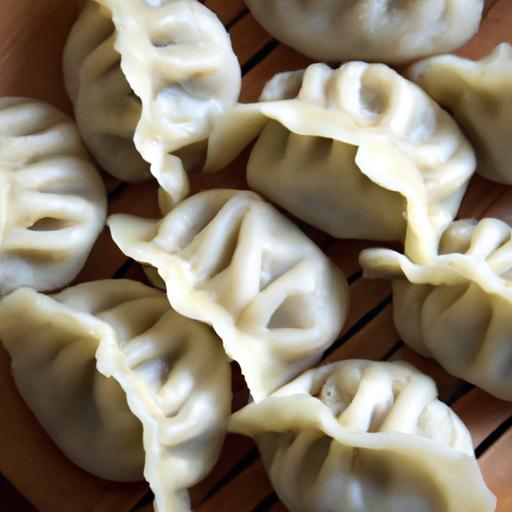
To achieve that signature look and seal, start by folding the wrapper in half over the filling. Using your thumb and index finger,create five small pleats starting from one side,pressing firmly but gently to avoid tearing. This pleating technique traps juices inside and lends an elegant, handcrafted appearance. Practice makes perfect-soon, you’ll fold with speed and precision!
Tips for Success
- Dough Consistency: Adjust water amount slightly if dough feels too dry or sticky-ideal dough is soft but not tacky.
- Freshness matters: Use fresh ground meat and finely chopped vegetables for balanced texture and flavor.
- Make-Ahead: Freeze uncooked dumplings on a tray; once solid, transfer to airtight freezer bags. Cook from frozen, adding extra steaming or boiling time.
- Custom Fillings: Experiment with shrimp, mushrooms, tofu, or seasonal greens for personalized variations.
- Prevent Sticking: Use cornstarch or flour dusting lightly on wrappers during filling to ease handling.
Serving suggestions
Serve your dumplings piping hot with a classic dipping sauce made from a mixture of soy sauce, black vinegar, a dash of chili oil, and minced garlic. Garnish with finely chopped scallions and toasted sesame seeds for an extra layer of aroma and crunch. Pair with a crisp cucumber salad or hot jasmine tea for an exquisite meal experience that honors tradition and invites sharing.

| Nutrient | Per Serving (10 dumplings) |
|---|---|
| Calories | 320 |
| protein | 18g |
| Carbohydrates | 28g |
| Fat | 12g |
For those eager to expand their dumpling repertoire, explore our vegetarian Chinese dumpling recipes that celebrate vibrant flavors without meat. Also, to deepen your understanding of authentic Chinese cooking ingredients, check out this complete guide by China Sichuan Food.
Q&A
Q&A: Master the Art of Homemade Chinese Dumpling Recipes Today
Q1: why are chinese dumplings such a beloved dish around the world?
A1: Chinese dumplings, or jiaozi, are a culinary treasure that combines tradition, culture, and flavor in every bite. They symbolize unity and prosperity, often enjoyed during festivals and family gatherings.Their versatility-from savory pork fillings to delicate vegetable blends-and the satisfying experience of wrapping and steaming or frying them make dumplings universally adored.
Q2: what makes homemade dumplings better than store-bought ones?
A2: Homemade dumplings offer a personal touch that store-bought versions simply can’t match. You control every ingredient-from the freshness of the meat and veggies to the exact seasoning-tailoring flavors to your palate. Plus, the process itself is a joyful, hands-on culinary adventure that connects you with centuries of Chinese tradition.
Q3: What are the essential ingredients needed for classic pork and cabbage dumplings?
A3: For a classic filling, you’ll need ground pork (preferably with some fat for juiciness), finely chopped napa cabbage, ginger, garlic, scallions, soy sauce, sesame oil, and a touch of white pepper. For the dough, simple flour and water suffice-no fancy additives required!
Q4: How do you achieve the perfect dumpling dough texture?
A4: The magic lies in balance and technique.Use all-purpose flour and warm water, mixing until the dough is smooth and elastic. Letting it rest under a damp cloth for at least 30 minutes helps the gluten relax, making your wrappers tender yet sturdy enough to hold the filling without breaking.
Q5: What are the different cooking methods for dumplings,and how do they affect flavor?
A5: Dumplings can be boiled,steamed,pan-fried,or even deep-fried. Boiling gives a delicate, soft texture, perfect for soup dumplings. Steaming preserves the wrapper’s chewiness and keeps the filling juicy. Pan-frying creates crispy, golden bottoms with tender tops-a fabulous contrast known as potstickers. Each method offers a unique sensory experience.
Q6: Can vegetarians enjoy Chinese dumplings, and what are some tasty plant-based fillings?
A6: Absolutely! Vegetarians can delight in fillings featuring mushrooms, tofu, shredded carrots, napa cabbage, water chestnuts, and fragrant herbs like cilantro or chives. Season with soy sauce, sesame oil, and a hint of ginger to capture that authentic umami punch.
Q7: What tips can help beginners avoid common dumpling-making mistakes?
A7: Don’t overfill your dumplings-too much filling can cause bursting during cooking.Keep the wrapper edges moist to seal properly. Don’t rush the folding; neat pleats not only look beautiful but help hold shape.and remember, practice makes perfect-embrace the joyful messiness!
Q8: How can dumpling-making become a fun social activity?
A8: Invite friends or family to join your dumpling workshop at home! Sharing the process-from kneading dough to folding pleats-fosters connection and conversation. It’s a delicious way to bond, laugh over imperfect wrappers, and end with a feast everyone helped create.
Q9: Are there regional variations in Chinese dumplings I should explore?
A9: Yes! From the juicy soup-filled xiaolongbao of Shanghai to the hearty lamb-stuffed mutton dumplings of Northwestern China, the diversity is vast.Exploring regional recipes can inspire new flavors and techniques, enriching your homemade dumpling repertoire.Q10: Where do I start if I want to master homemade Chinese dumplings today?
A10: Begin simple-gather basic ingredients, watch a few tutorials, and prepare a classic pork and cabbage batch. Set aside time for the process and savor each step. With passion and patience, you’ll soon craft dumplings that rival your favorite restaurant’s-and maybe create new family traditions along the way!
The Way Forward
As you embark on your homemade Chinese dumpling journey, remember that each fold and fill is a step closer to culinary mastery. These little parcels of flavor carry centuries of tradition, waiting for you to make them your own. With every dumpling you create, you’re not just cooking-you’re crafting an experience, a story, and a delicious connection to a rich cultural heritage. So gather your ingredients, embrace the artful dance of dough and filling, and savor the joy that comes with mastering these timeless recipes today. Your kitchen is now a dumpling haven-ready to delight family, friends, and your own taste buds alike.