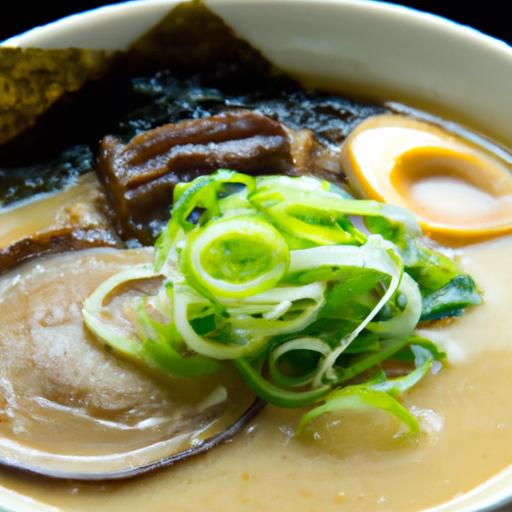



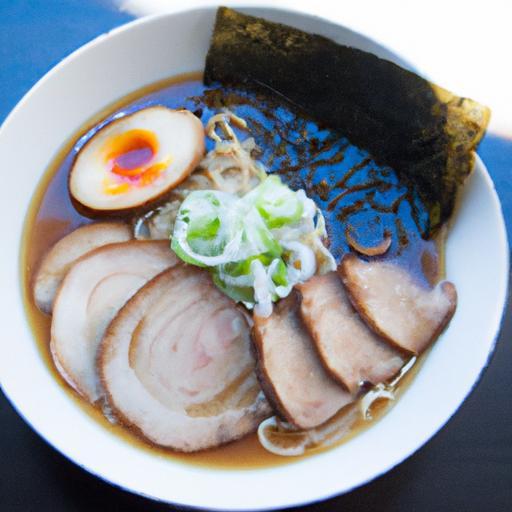
There’s something undeniably magical about a steaming bowl of ramen-the way the rich, savory broth wraps around tender noodles, the delicate dance of textures and flavors with every bite. But beyond the comforting aroma and satisfying slurp lies an art that transforms simple ingredients into a culinary masterpiece. In this step-by-step guide, we’ll unravel the secrets to crafting perfect homemade ramen, from simmering the soul-warming broth to assembling the ideal toppings. Whether you’re a seasoned cook or a curious foodie, prepare to embark on a flavorful journey that brings the heart of Japanese cuisine straight to your kitchen.
Crafting perfect homemade ramen begins with understanding the core elements that transform a simple bowl into a soulful experiance. It’s not just about following a recipe-it’s about selecting the right ingredients, mastering textures, and building harmony between taste and presentation. Let’s embark on an inspired journey that unlocks the secrets to deep, layered flavor and impeccable noodle craftsmanship.
Prep and Cook Time
- Preparation: 1 hour 15 minutes
- Cooking: 4 hours (includes broth simmering and noodle resting)
- Total Time: Approximately 5 hours 15 minutes
Yield
- Serves 4 hearty bowls of ramen
Difficulty Level
- Intermediate – perfect for enthusiastic home cooks ready to elevate their ramen game
Ingredients
- For the Broth:
- 2 lbs pork bones (preferably leg and neck bones)
- 1 lb chicken carcass
- 1 large onion, halved
- 1 whole bulb garlic, halved horizontally
- 2-inch piece fresh ginger, sliced
- 4 dried shiitake mushrooms
- 1 leek, trimmed and halved
- 8 cups water (plus extra to top up)
- 2 tbsp soy sauce
- 1 tbsp mirin
- 1 tsp sea salt, adjust to taste
- For the Noodles:
- 2 cups all-purpose flour, sifted
- 3/4 cup water
- 1 tsp baking soda (or kansui if available for authentic texture)
- Pinch of salt
- Toppings:
- Soft-boiled eggs (4 halves)
- Chashu pork slices (8 thin pieces)
- Scallions, finely sliced
- Menma (seasoned bamboo shoots)
- Toasted nori sheets
- Fresh bean sprouts
- Sesame seeds, toasted
Instructions
- Prepare the Broth: Start by blanching the pork bones and chicken carcass in boiling water for 10 minutes to remove impurities. Rinse bones under cold water for a clean broth base.
- Place bones, onion, garlic, ginger, shiitake mushrooms, and leek into a large stockpot. Add 8 cups cold water and slowly bring to a boil, then reduce to a gentle simmer. Skim off any foam or fat that rises to the surface to maintain clarity.
- Allow the broth to simmer uncovered for 4 hours, topping with additional water as needed to keep bones submerged.
- After simmering, strain the broth through a fine mesh sieve into a clean pot. Add soy sauce, mirin, and salt. Keep warm on low heat.
- Make the Noodles: Dissolve baking soda and salt in the water. Combine the flour in a large bowl, slowly incorporating the alkaline water mixture until a sticky dough forms.
- Turn the dough onto a lightly floured surface, kneading vigorously for 8-10 minutes until smooth and elastic. Wrap in plastic and let rest for 30 minutes at room temperature.
- Roll out the dough to about 1/8-inch thickness and cut into thin strips (about 1/8 inch wide). Dust with flour to prevent sticking and set aside.
- Cook noodles in a large pot of boiling water for 1-2 minutes until al dente. drain and rinse briefly under cold water to halt cooking and preserve texture.
- Prepare Toppings: While broth simmers and dough rests, prepare your toppings: soft boil eggs (7 minutes then cool in ice water), slice chashu pork thinly, and finely slice scallions.
- Assemble the Bowl: Divide noodles between warmed bowls. Ladle hot broth over noodles.Artfully arrange toppings-halved eggs, chashu pork, menma, scallions, bean sprouts, toasted sesame seeds, and nori sheets-to achieve a balanced visual appeal.
tips for Success
- Broth Perfection: Maintain a very gentle simmer to avoid cloudiness and bitterness.
- Noodle Texture: For authentic chewiness,use kansui (alkaline water),or substitute with baking soda as directed.
- Flavor Balance: taste the broth before seasoning so you can enhance the natural umami without overpowering sensitive toppings.
- Make Ahead: Broth can be prepared 1-2 days in advance and refrigerated, improving in flavor over time.
- Alternative proteins: Swap pork bones for chicken only, and use grilled tofu for vegetarian-friendly ramen.
Serving Suggestions
Present your homemade ramen in deep, wide bowls to showcase the vibrant colors and textures.Garnish with a sprinkle of toasted sesame seeds and a delicate sheet of nori to add a pop of contrast. Pair with a small side of pickled vegetables or a chilled glass of sake for an authentic touch. Encourage diners to enjoy the bowl with chopsticks and a soup spoon for the full sensory experience.
| Nutrition | Per Serving |
|---|---|
| Calories | 550 kcal |
| Protein | 35 g |
| Carbohydrates | 60 g |
| Fat | 18 g |

For those eager to explore more, check out our homemade Japanese dumplings recipe for a delightful side dish.Additionally, the expert guide to ramen broth on Serious Eats offers invaluable insights into refining your stock-making technique.
Q&A
Q&A: Crafting Perfect Homemade Ramen – A Step-by-Step Guide
Q1: What makes homemade ramen different from store-bought instant ramen?
A1: Homemade ramen is a symphony of fresh, carefully selected ingredients and patient preparation, resulting in a bowl bursting with complex flavors and textures. Unlike instant ramen, wich relies on pre-packaged seasoning and fast-cook noodles, homemade ramen offers a rich, fragrant broth, tender hand-pulled or freshly made noodles, and personalized toppings that elevate each slurp into a memorable experience.
Q2: Where should I start if I’m new to making ramen at home?
A2: Begin with the broth-it’s the heart and soul of any ramen.Choose a base such as chicken,pork (tonkotsu),miso,or shoyu (soy sauce). Slowly simmer your broth ingredients for several hours to extract deep umami flavors. Once your broth is underway, you can prepare fresh noodles (or quality store-bought ones) and plan your toppings. Taking it step-by-step keeps the process manageable and enjoyable.
Q3: how do I make noodles from scratch, and is it realy worth it?
A3: Making noodles from scratch involves mixing flour, water, salt, and sometimes kansui (alkaline water) to achieve that iconic chewy texture. You’ll knead the dough, roll it out thin, and cut it into strands. While it’s a labor of love, fresh noodles transform your ramen from good to exceptional, offering a slight bounce and absorbency that pre-packaged noodles can’t match. but if time is tight, opting for fresh or quality dried noodles still delivers tasty results.
Q4: What toppings should I include to create an authentic ramen experience?
A4: Toppings are your artistic playground! classic choices include marinated chashu pork, soft-boiled ajitsuke tamago eggs with molten yolks, nori seaweed sheets, bamboo shoots (menma), scallions, and a sprinkle of toasted sesame seeds. Feel free to add corn, mushrooms, spinach, or even a dash of chili oil to match your flavor mood. Each topping adds a unique texture and burst of flavor.
Q5: How can I balance flavors to avoid an overly salty or bland broth?
A5: Taste frequently during the simmering stage. Season gradually with soy sauce, salt, miso paste, or salt-cured ingredients like dried fish. layer your seasonings rather than dumping them in all at once. Remember, the broth also draws seasoning from the toppings and noodles once assembled, so a subtle base allows other components to shine. Patience and incremental adjustments are key.
Q6: Is it necessary to have special equipment to make ramen at home?
A6: Not necessarily! While a good stockpot for slow-simmering broth and a rolling pin or pasta maker for noodles help, they’re not mandatory. Many home cooks improvise with what’s at hand-using a large pot for broth, cutting noodles by hand, or even using store-bought noodles as a shortcut. The most critically important tool is your enthusiasm and willingness to experiment.
Q7: How long does it take to make homemade ramen from start to finish?
A7: Depending on your recipe and experience, it can take anywhere from 3 to 8 hours. Broth simmering often demands the most patience,especially tonkotsu-style pork bone broth,which can be richly creamy after a long,slow boil. To speed things up, prepare broth in advance and refrigerate or freeze it. Noodles and toppings can then be prepped fresh on ramen day for a satisfying, hands-on cooking adventure.
Q8: any tips for plating and serving ramen like a pro?
A8: Presentation is part of the ramen charm! Ladle steaming broth over drained noodles in a shallow, wide bowl. Neatly arrange your toppings-slice chashu thinly, nestle the egg halves gently, and fan out nori sheets to create height and contrast. A sprinkle of scallions and a drizzle of chili oil add vibrant color and aroma. Serve instantly to preserve the noodles’ texture and the broth’s warmth, inviting your guests into a comforting bowl of crafted perfection.
In Retrospect
With each carefully simmered broth and lovingly prepared noodle,crafting homemade ramen transforms from a simple cooking task into a rewarding culinary journey. Armed with this step-by-step guide, you’re now ready to infuse your kitchen with the rich aromas and savory depths that make ramen truly unforgettable. So go ahead-experiment with flavors, textures, and toppings to create your own signature bowl. After all, the perfect ramen is not just a recipe; it’s a delicious story told one slurp at a time.