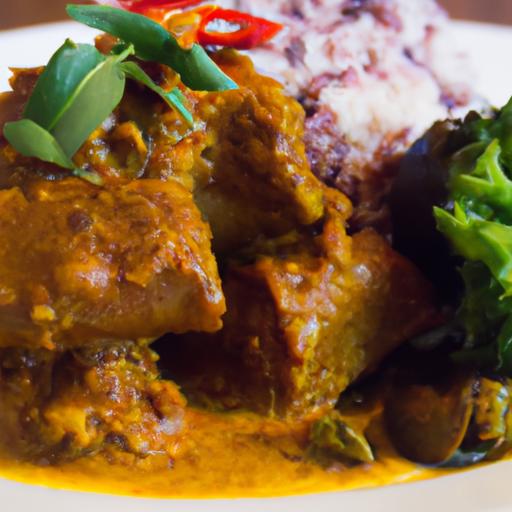



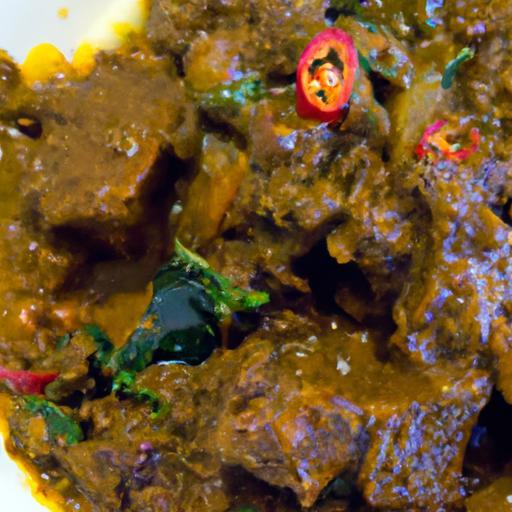
In the vibrant tapestry of Indonesian cuisine, Rendang stands as a majestic emblem of rich tradition and bold flavors-a slow-cooked symphony of spices and tender meat that tells stories of heritage and heart. Yet, as global palates shift toward plant-based lifestyles, a remarkable culinary evolution is underway. Enter vegan Indonesian Rendang: a masterful reinvention that honors the soul of this beloved dish while embracing compassionate, earth-friendly ingredients. This article invites you on a flavorful journey where ancient spices meet innovative techniques, revealing how traditional flavors are reimagined to delight both vegans and food lovers alike. Prepare to savor the essence of Indonesia’s culinary crown jewel, reborn for a new generation.
Savor vegan Indonesian Rendang: Traditional Flavors Reimagined
Savor Vegan Indonesian Rendang is more then just a dish-it’s an immersive culinary journey that invites you to experience a plant-based twist on one of Indonesia’s most iconic delicacies. Rooted in Minangkabau culture, this rich, slow-cooked curry traditionally celebrates communal feasts and festive occasions. By reimagining rendang through vegan ingredients, you can relish its deep, aromatic flavors without compromising on tradition or ethics.
origins and Cultural significance of Indonesian Rendang
Originating from the Minangkabau ethnic group in West Sumatra, rendang is steeped in history and cultural symbolism.Traditionally prepared for hours during ceremonies and celebrations, it represents patience, respect, and hospitality. The dish’s lengthy cooking process was historically suited to the tropical climate, as slow simmering rendered the meat tender and infused it with complex layers of spice.This culinary practice is a testament to communal harmony and indigenous wisdom, recognized by UNESCO as an intangible cultural heritage. Our vegan adaptation honors this legacy by maintaining the essence of these time-honored flavors, while embracing plant-based nourishment.
Key Ingredients and Flavor Profiles in Vegan Rendang
The hallmark of rendang lies in its bold and multi-dimensional flavors created by a symphony of spices and herbs. In vegan rendang, hearty jackfruit or mushrooms replace the traditional beef, absorbing the rich spice blend beautifully.Core ingredients include fresh galangal, lemongrass, turmeric, ginger, and shallots, which are ground into a fragrant paste. Coconut milk lends a creamy sweetness that balances the fiery chili peppers, while toasted coconut (kerisik) adds a signature nutty depth. The interplay of sweet,spicy,and savory layers creates a comforting yet vibrant flavor,evoking the warmth of Indonesian home cooking.
Prep and Cook Time
- Preparation: 20 minutes
- Cooking: 1 hour 30 minutes
- Total Time: 1 hour 50 minutes
yield
Serves 4 generous portions, perfect for sharing.
Difficulty Level
Medium – Requires some preparation but rewarding for intermediate cooks eager to explore indonesian flavors.
Ingredients
- 2 cups young green jackfruit, shredded (canned in brine, rinsed and drained) or 300g oyster mushrooms, torn
- 400 ml coconut milk, full-fat
- 4 shallots, peeled
- 3 cloves garlic, peeled
- 2 red chili peppers, deseeded for milder heat
- 1-inch piece fresh galangal, peeled and sliced
- 1 stalk lemongrass, white part only, finely chopped
- 1-inch turmeric root or 1 tsp turmeric powder
- 1 tbsp grated ginger
- 2 tbsp toasted grated coconut (kerisik)
- 2 tbsp coconut oil or vegetable oil
- 1 tbsp palm sugar or brown sugar
- 2 kaffir lime leaves, torn
- 1 tbsp tamarind paste
- 1 tsp ground coriander
- Salt to taste
Step-by-Step guide to Crafting Authentic Vegan Rendang at Home
- Prepare the spice paste: Combine shallots, garlic, red chili, galangal, lemongrass, turmeric, and ginger in a food processor or mortar and pound into a smooth paste. Add a splash of coconut milk if necessary to facilitate blending.
- Heat the coconut oil in a wide sauté pan over medium heat. Add the spice paste and sauté until fragrant and golden, about 5-7 minutes. Stir continuously to prevent sticking and burning.
- Add the jackfruit or mushrooms to the pan, stirring well to coat with the spice paste. Cook for 3-4 minutes, allowing the flavors to infuse.
- Pour in the coconut milk gradually, stirring to combine. Add kaffir lime leaves, tamarind paste, palm sugar, ground coriander, and a pinch of salt.
- Reduce the heat to low, then cover partially and simmer gently for 1 to 1.5 hours.Stir every 15 minutes, allowing the sauce to thicken and the flavors to concentrate. If the mixture dries out too quickly, add a splash of water.
- When the liquid is nearly absorbed, stir in the toasted grated coconut (kerisik). Continue cooking uncovered for 10-15 minutes until the rendang turns thick, dark, and caramelized.
- Adjust seasoning with salt and sugar to taste. Remove from heat and let it rest for 5 minutes before serving.
Chef’s Notes
- Ingredient substitutions: If jackfruit is unavailable, sliced king oyster mushrooms or firm tempeh work beautifully.
- Spice level: Adjust chili quantities based on your heat preference. For deeper flavor, dry roast spices before blending.
- Make ahead: Rendang tastes even better the next day as spices meld. Refrigerate for up to 3 days or freeze portions.
- Toasting coconut: Toast grated coconut gently in a dry pan over low heat until golden and aromatic, stirring constantly to avoid burning.
- Slow simmering: The hallmark of authentic rendang is patience-allowing flavors to develop gradually; rushing will compromise the signature depth.
Pairing suggestions and Serving Tips for a Memorable Vegan experience
Serve your vegan rendang alongside fragrant steamed jasmine rice or coconut rice to soak up the luscious sauce. For textural contrast, crisp fried shallots and fresh herbs like cilantro or thai basil provide brightness.Pickled vegetables such as acar (Indonesian pickled cucumber and carrot) add a refreshing tang that balances the richness. For beverages, a cooling iced jasmine tea or a crisp white wine complements the spices beautifully.
To elevate presentation, serve in traditional Indonesian tableware or rustic wooden bowls, garnished with lime wedges and extra toasted coconut to evoke a feast-worthy aesthetic.
| Nutritional Information (per serving) | Calories | Protein | Carbs | Fat |
|---|---|---|---|---|
| Vegan Rendang | 320 kcal | 8g | 18g | 22g |

Ready to dive deeper into Indonesian spices? check out our Indonesian spice Blends guide to master your pantry. For an authoritative resource on rendang’s cultural roots, visit the official UNESCO Intangible Cultural Heritage page.
Q&A
Q&A: Savor Vegan Indonesian Rendang – Traditional Flavors Reimagined
Q: What is Rendang, and why is it meaningful in Indonesian cuisine?
A: Rendang is a rich, slow-cooked dry curry originating from the Minangkabau ethnic group of West Sumatra, Indonesia.It’s often celebrated as one of the world’s most flavorful dishes, marrying a tapestry of spices like lemongrass, galangal, turmeric, and toasted coconut. Traditionally made with beef, Rendang is more than just a dish-it’s a cultural icon served during festive occasions and family gatherings, embodying patience, tradition, and community.
Q: How does vegan Indonesian Rendang differ from the traditional version?
A: Vegan Rendang reinterprets this beloved classic by replacing meat with plant-based ingredients like jackfruit, mushrooms, or tempeh. These substitutes absorb the complex spice blend and coconut milk beautifully, recreating the succulent texture and deep umami flavors of the original-without compromising on authenticity or heartiness.Q: What are the key spices and flavors that define Rendang’s unique taste?
A: At the heart of Rendang’s flavor profile are lemongrass, galangal, ginger, turmeric, garlic, and shallots, cooked with a blend of dried chilies and toasted coconut. The slow simmer in coconut milk allows these ingredients to meld into a thick, aromatic paste punctuated by smoky, sweet, and earthy notes.The magic lies in the balance between spicy warmth, creamy richness, and a subtle caramelization.
Q: Can vegan Rendang be considered as rich and satisfying as traditional beef Rendang?
A: Absolutely! When prepared mindfully, vegan Rendang delivers the same layers of flavor and satisfying mouthfeel. Ingredients like jackfruit mimic the fibrous texture of meat, while the slow cooking process intensifies the spices and coconut cream to create a luscious, hearty dish that satisfies vegans and non-vegans alike.
Q: What’s the best way to serve Vegan Indonesian Rendang?
A: Traditionally, Rendang is served with steamed white rice or ketupat (compressed rice cakes), but vegan rendang pairs wonderfully with a variety of sides. Think fragrant jasmine rice, turmeric-infused coconut rice, or even crispy roti for a fusion twist. Garnish with fresh cilantro or fried shallots for added texture and aroma.
Q: How does making vegan Rendang contribute to sustainable eating?
A: By replacing beef with plant-based ingredients, vegan Rendang reduces the carbon footprint associated with meat production.it embraces the rich biodiversity of Indonesian cooking-utilizing local spices and vegetables-while promoting eco-friendly culinary traditions. It’s a delicious way to honor cultural heritage and planet-friendly choices concurrently.
Q: Where can food enthusiasts find authentic vegan Indonesian Rendang recipes?
A: Many Indonesian home cooks and chefs have embraced plant-based renditions, sharing recipes in cookbooks, food blogs, and cooking channels dedicated to Southeast Asian vegan cuisine. Exploring Indonesian vegan culinary communities online or visiting vegan-friendly restaurants with Indonesian influences is a great start to discovering this reimagined classic.
Dive into the fragrant world of vegan Indonesian Rendang and discover how tradition and innovation come together to create a dish that’s hearty, wholesome, and wonderfully unforgettable!
Insights and Conclusions
As the rich aromas of coconut, lemongrass, and toasted spices linger in your kitchen, this vegan reinterpretation of Indonesian rendang invites you to experience tradition through a fresh, plant-based lens.By embracing age-old techniques and vibrant local ingredients, your not just savoring a dish-you’re partaking in a culinary story that bridges heritage and innovation. Whether you’re a longtime lover of Indonesian cuisine or a curious newcomer, this version of rendang offers a delicious reminder that honoring tradition can taste both familiar and wonderfully new. So, gather your ingredients, embrace the slow simmer, and let every bite transport you to the heart of Indonesia-reinvented, sustainable, and utterly unforgettable.