

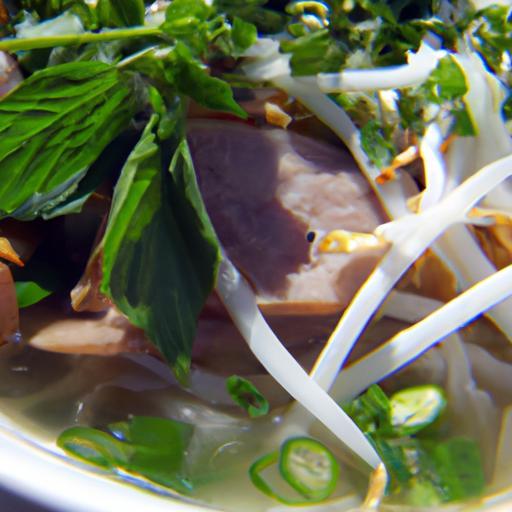
In the aromatic world of Vietnamese cuisine, few dishes evoke as much warmth and nostalgia as a steaming bowl of pho. This beloved noodle soup, rich with fragrant herbs, tender slices of beef or chicken, and a broth simmered to perfection, has journeyed from humble street stalls to global culinary stages. Yet, mastering pho at home remains an art-one that balances patience, tradition, and a keen understanding of flavors. In this article,we unravel the secrets behind authentic Vietnamese pho,guiding you step-by-step through genuine recipes that capture its soul. Whether you’re a seasoned foodie or a curious newcomer, prepare to embark on a flavorful adventure that transforms your kitchen into a bustling Hanoi eatery.
Mastering Vietnamese Pho: Authentic Noodle Recipes Unveiled begins with the soul of the dish-the broth. This iconic Vietnamese soup carries centuries of tradition and the vibrant essence of Northern Vietnam.Pho’s magic lies in its painstakingly crafted, crystal-clear broth that balances sweetness, spice, and umami. Growing up near Saigon, my earliest memories are tied to the aromatic steam swirling over bowls heaped with tender noodles, fresh herbs, and thinly sliced beef. Today, I’ll guide you through the art of crafting perfect pho broth from scratch, choosing the ideal noodles, and assembling a bowl like a seasoned Vietnamese chef.
Prep and cook Time
- Readiness Time: 45 minutes
- Cooking Time: 6 hours (broth simmering)
- Total Time: 6 hours 45 minutes
Yield
serves 6-8 generous bowls
Difficulty level
Advanced - requires patience and precision for best results
Ingredients
- 4 pounds beef marrow bones (preferably knuckle and shin bones)
- 1 pound beef brisket
- 1 large yellow onion, peeled and halved
- 5-inch piece of ginger, sliced in half lengthwise
- 5 star anise pods
- 4 whole cloves
- 2 cinnamon sticks
- 1 tablespoon coriander seeds
- 1 tablespoon fennel seeds
- 1 tablespoon rock sugar (substitute with regular sugar if needed)
- 1/4 cup fish sauce (authentic depth)
- Salt to taste
- 1 package (14 oz) flat rice noodles (bánh phở), dried or fresh
- Thinly sliced raw beef sirloin (about 1/2 pound, frozen slightly for easy slicing)
Aromatic Herbs & Fresh Garnishes
- Fresh Thai basil
- Cilantro sprigs
- Thinly sliced white onions
- Thinly sliced scallions
- Lime wedges
- Bean sprouts
- Fresh jalapeño or bird’s eye chili slices
- Hoisin sauce and Sriracha (optional)
Instructions
- Prepare the bones: Rinse beef bones under cold water. Place in a large stockpot and cover with cold water. Bring to a rolling boil for 15 minutes to remove impurities, skimming off the foam with a fine strainer.
- Char aromatics: While bones blanch, char the onion halves and ginger over an open flame or in a hot, dry skillet until blackened on surfaces, about 5-7 minutes. This adds smoky complexity to your broth.
- Toast spices: In a dry pan over medium heat, toast star anise, cloves, cinnamon sticks, coriander seeds, and fennel seeds until fragrant, about 3-4 minutes. Transfer spices to a spice sachet or cheesecloth bundle for easy removal later.
- Simmer the broth: Drain the bones and rinse the pot clean. Refill with 5 quarts of fresh cold water, add bones, brisket, charred onion, ginger, toasted spices, and rock sugar. Slowly bring to a gentle simmer (avoid boiling to keep broth clear). Simmer uncovered for 5-6 hours, occasionally skimming fat and foam.
- Season broth: After simmering, remove bones, brisket, onion, ginger, and spice sachet with tongs. Slice brisket thinly and set aside. Taste broth and season with fish sauce and salt to enhance its rich umami profile.
- Prepare noodles: Soak dried bánh phở in warm water for 30 minutes if using dried noodles. For fresh, briefly blanch in boiling water until tender but firm, about 20 seconds.Drain and set aside, tossing lightly in a drizzle of oil to prevent sticking.
- Slice raw beef: Using a sharp knife, slice raw sirloin as thinly as possible. Keep chilled until ready to serve.
- Assemble bowls: Divide noodles among serving bowls. Top with brisket slices and raw sirloin. Ladle steaming hot broth over,gently cooking the raw beef when poured.
- Serve with garnishes: Arrange fresh basil, cilantro, bean sprouts, sliced onions, scallions, lime wedges, and chilies on a communal plate for guests to customize.
Tips for success
- Clear broth clarity: Avoid boiling forcefully to keep broth clear and shining. Gentle simmering is key.
- Spice balance: Don’t overload with star anise or cloves-these can easily overpower. Toasting spices releases essential oils for complexity without bitterness.
- Noodle timing: Fresh rice noodles must be handled delicately and not overcooked; they soak residual heat to perfect tenderness in the bowl.
- Make-ahead broth: The broth improves on the second day-cool completely, refrigerate, and skim solidified fat before reheating gently.
- Meat alternatives: Swap brisket for oxtail or beef tendon for texture variations. Chicken pho (phở gà) can also be crafted with the same aromatic philosophy.
Serving Suggestions
Serve pho piping hot in deep bowls surrounded by fresh traditional garnishes. Encourage diners to squeeze lime, add hoisin or Sriracha sauces, and mix in herbs for personalized flavor adventure. Pair with a side of light jasmine tea or Vietnamese iced coffee for a authentic meal experience.

| Nutrition (per serving) | Calories | Protein (g) | Carbs (g) | Fat (g) |
|---|---|---|---|---|
| Beef Pho Bowl | 480 | 35 | 45 | 12 |
For more in-depth insights on Vietnamese noodles, explore our related guide on Vietnamese Rice Noodles: Varieties and Uses. To deepen your understanding of the rich spice flavors used traditionally in pho, visit Serious Eats on Pho Spices.
Q&A
Q&A: Mastering Vietnamese Pho – Authentic Noodle Recipes Unveiled
Q1: What makes Vietnamese Pho so special compared to other noodle soups?
A1: Vietnamese Pho is a harmonious symphony of flavors-delicate yet deeply layered. What sets it apart is its meticulous broth, simmered for hours with beef bones, charred aromatics, and a bouquet of spices like star anise and cinnamon. This slow-cooked process yields a clear, fragrant, and soul-warming base that cradles the tender rice noodles and fresh herbs perfectly. Pho isn’t just food; its an experience of Vietnamese culture in a bowl.
Q2: Can I recreate authentic Pho at home even without specialized ingredients?
A2: Absolutely! While traditional Pho calls for specific spices and bones,many can be found in Asian markets or online. However, even with a few pantry staples, you can approximate the aromatic broth by using star anise, cloves, cinnamon sticks, and ginger. The key is slow simmering and layering flavors gradually. Fresh herbs like Thai basil and cilantro,plus lime and chili on the side,elevate your homemade Pho closer to authenticity.Q3: What types of meat are traditionally used in Pho, and can I customize it?
A3: Classic Pho frequently enough features thinly sliced beef cuts-brisket, flank, eye round-and beef meatballs. Chicken Pho (Pho Ga) is another beloved variant, using a light chicken broth and tender chicken meat. Feel free to customize with tofu for a vegetarian twist, or even seafood! The beauty of Pho is its versatility while respecting its foundational broth and noodles.
Q4: How vital are the noodles to the authenticity and taste of Pho?
A4: The rice noodles (banh pho) are integral to the Pho’s texture and overall taste. Authentic Pho noodles are flat,silky,and slightly chewy,absorbing the broth’s essence without falling apart. Choosing the right noodles and cooking them just until tender-never mushy-is essential to mastering the dish’s balance.
Q5: Any insider tips for elevating homemade pho to restaurant quality?
A5: Definitely! Start by charring your ginger and onions under a broiler or open flame to add smoky depth to your broth. Simmer the bones gently, skimming impurities to keep the broth crystal clear. Don’t rush the process-four to six hours of simmering is ideal. Also, serve Pho with plenty of fresh garnishes-bean sprouts, lime wedges, chilies, and basil-to personalize each bowl. Lastly, slice your meat paper-thin and add it raw atop piping hot broth; the heat cooks it perfectly and keeps it tender.
Q6: What cultural significance does pho hold in Vietnam?
A6: Pho is more than a beloved street food; it’s a symbol of Vietnamese identity and resilience. Originating in northern Vietnam in the early 20th century, Pho grew from humble beginnings to a national treasure, enjoyed across all social classes. It’s a comfort food, a breakfast staple, and a dish that brings people together-making every bowl a celebration of Vietnamese heritage and hospitality.
Q7: Where can I find authentic Pho if I want to taste before cooking?
A7: The best Pho often comes from family-run eateries, especially in cities with vibrant Vietnamese communities like Hanoi, Ho Chi Minh City, Los Angeles, or Houston. Seeking out these authentic spots offers a genuine glimpse into Pho’s rich tradition and flavor profile. Savour the broth slowly, and you’ll understand why mastering Pho at home is such a rewarding culinary journey.
Key Takeaways
As you embark on your journey to master Vietnamese pho, remember that this beloved noodle soup is more than just a recipe-it’s a vibrant tapestry of culture, history, and flavor. From the painstakingly simmered broth to the delicate dance of fresh herbs and spices, every bowl tells a story waiting to be savored. With these authentic recipes unveiled, you hold the keys to recreating a culinary masterpiece that has warmed hearts and nourished souls for generations. So fire up your stove,gather your ingredients,and let each sip of your homemade pho transport you straight to the bustling streets of Vietnam-where tradition and taste converge in perfect harmony.