


There’s a certain kind of magic that happens when simplicity meets tradition on a plate, and few dishes capture this essence quite like Bolognese spaghetti. Hailing from the sun-kissed heart of Italy, this timeless classic is more than just a meal-it’s a rich tapestry woven from slow-simmered sauces, fragrant herbs, and the proud heritage of generations past. As we dive into the savory world of bolognese spaghetti, prepare to uncover the story behind its humble ingredients, the secret techniques that elevate it, and why this beloved dish continues to tantalize taste buds and warm souls across the globe. Join us on a flavorful journey where every forkful tells a story of Italy’s enduring culinary artistry.
Savoring Bolognese Spaghetti invites you into the rich heart of Italian culinary tradition, where humble ingredients transform into a deeply satisfying dish that has endured through centuries. Originating from Bologna in the Emilia-Romagna region, the sauce now globally beloved as Bolognese is a celebration of slow-cooked flavors and regional pride. This timeless classic balances the simplicity of fresh meat, aromatic vegetables, and ripe tomatoes with the artful patience of simmering – revealing layers of umami that cascade beautifully over tender spaghetti strands. Whether you’re new to Italian cooking or a seasoned home chef, mastering this sauce elevates your kitchen repertoire and connects you to Italy’s gastronomic heritage.
Prep and Cook Time
Prep Time: 20 minutes | Cook Time: 2 hours 30 minutes
Yield
Serves 6 hearty portions
Difficulty Level
Medium
Ingredients
- 2 tbsp extra virgin olive oil
- 50g unsalted butter
- 1 large onion,finely chopped
- 2 celery stalks,finely diced
- 2 medium carrots,finely diced
- 400g ground beef (preferably a mix of lean and fatty)
- 150g ground pork
- 150ml whole milk
- 200ml dry white wine
- 800g canned San Marzano tomatoes,crushed by hand
- 2 tbsp tomato paste
- 1 cup beef broth
- Salt and freshly ground black pepper,to taste
- Pinch of freshly grated nutmeg
- 400g spaghetti
- Freshly grated Parmigiano-reggiano,for serving
instructions
- Prepare the soffritto: In a heavy-bottomed pot over medium heat,melt the butter with olive oil.Add finely chopped onion, celery, and carrots. Sauté until golden and fragrant, about 8-10 minutes, stirring frequently.
- Brown the meat: Increase heat to medium-high. Add ground beef and pork to the pot, breaking it up with a wooden spoon. cook until no longer pink and nicely browned, about 10 minutes. This step builds essential flavor through caramelization.
- Incorporate milk: Pour in the whole milk and let it gently simmer, stirring frequently until mostly absorbed, about 10 minutes. This softens the meat’s texture and rounds out acidity.
- Deglaze with wine: Add the dry white wine, allowing it to reduce almost fully while stirring occasionally to lift browned bits from the pot’s base.
- Tomato base: Stir in the tomato paste and crushed San Marzano tomatoes. Blend well to combine all elements thoroughly.
- Simmer low and slow: Pour in beef broth and add a pinch of nutmeg, salt, and pepper to taste. Reduce heat to the lowest setting, partially cover, and let the sauce gently bubble for 2 to 2 ½ hours. Stir occasionally to ensure even cooking and prevent sticking.
- Cook spaghetti: In the last 10 minutes of sauce cooking, boil salted water in a large pot and cook spaghetti until al dente. Reserve 1 cup of pasta water before draining.
- Finish and toss: Adjust seasoning in sauce if needed. Combine spaghetti directly with the sauce, adding reserved pasta water as needed for perfect sauciness.
- Serve: Plate generously, shower with grated Parmigiano-Reggiano, and a few fresh basil leaves or cracked black pepper.
Tips for Success
- Meat choice matters: A blend of beef and pork adds a complex richness that pure beef lacks.
- Low and slow: Patience in simmering is key-rushing harms flavor depth.
- Milk before wine: This technique tenderizes the meat and balances acidity.
- Use San Marzano tomatoes: Their natural sweetness brings an authentic tang.
- Make ahead: Bolognese tastes even better the next day. Store in an airtight container and reheat gently, adding a splash of broth or water to refresh the sauce.
- Gluten-free option: Use gluten-free spaghetti or spiralized vegetables for a low-carb twist.
Serving Suggestions
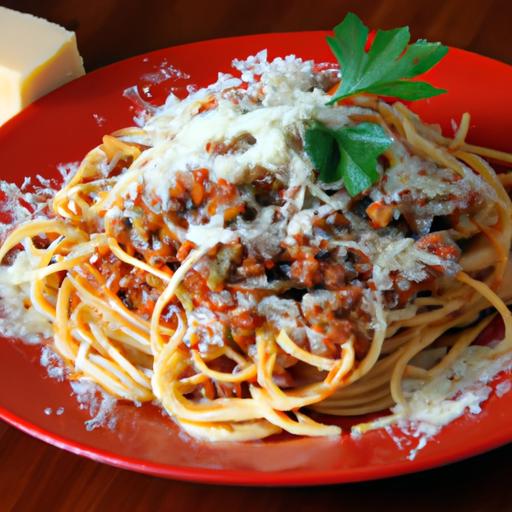
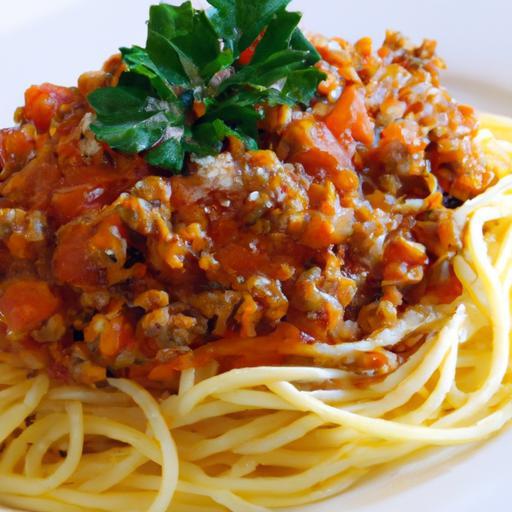
Serve savoring Bolognese Spaghetti on large shallow bowls to showcase the sauce’s deep hue against the strands. Garnish with fresh basil or flat-leaf parsley for color contrast and aromatic brightness. A final drizzle of high-quality olive oil adds sheen and richness.
Accompany this meal with crusty Italian bread to mop up the luscious sauce. For an authentic experience,lighten the palate with a crisp mixed green salad tossed in a lemon vinaigrette.
Pairing Traditions: ideal Wines and Sides to Complement Bolognese
In true Italian style, a medium-bodied red, such as a Chianti Classico or Barbera d’Alba, elevates the rustic flavors of the sauce with lively acidity and red fruit notes.For white wine lovers, a lightly oaked Verdicchio balances meat richness with subtle minerality.
Classic seconds include sautéed greens like spinach or chicory and creamy polenta-a customary canvas that wonderfully absorbs the Bolognese sauce.
| Nutrient | Per Serving |
|---|---|
| Calories | 480 kcal |
| Protein | 32 g |
| Carbohydrates | 52 g |
| Fat | 15 g |

For a deep dive into Italian pasta techniques, explore our Authentic Italian Pasta Recipes. To learn more about the history of classic Italian dishes, visit Britannica’s Bolognese Sauce overview.
Q&A
Q&A: Savoring Bolognese Spaghetti – Italy’s Timeless Classic
Q: What makes Bolognese spaghetti such a beloved dish worldwide?
A: Bolognese spaghetti captivates palates with its rich, hearty sauce that marries slow-cooked meat and tomatoes in perfect harmony. Originating from Bologna, Italy, it embodies comfort and tradition, inviting every forkful to tell a story of warmth, family, and culinary craftsmanship passed down through generations.
Q: How traditional is the Bolognese sauce, really?
A: Traditional Bolognese sauce, or Ragù alla Bolognese, is a masterpiece of patience and balance. It typically features finely chopped beef, pork, or veal, slow-simmered with onions, carrots, celery, tomato paste, white wine, and a splash of milk or cream. Unlike swift tomato sauces, it requires time to develop deep, layered flavors-making it less of a sauce and more of a culinary event.
Q: Can I really use spaghetti with Bolognese sauce?
A: While the classic pairing in Bologna is tagliatelle, a flat, wide pasta that best catches the chunky sauce, spaghetti has become a global standard and beloved option. Its slender strands twirl effortlessly, soaking up the flavors, making it a convenient and delicious vessel for Bolognese’s robust character.
Q: What’s the secret to an authentic Bolognese flavor?
A: The secret lies in slow cooking. Time is the true ingredient-letting the meat brown gently, the vegetables soften, and the wine and milk work their magic in mellowing acidity and enriching the sauce. Stirring patiently and seasoning thoughtfully transforms humble ingredients into a velvety symphony of taste.
Q: How do Italians serve and enjoy Bolognese?
A: In Italy, Bolognese is often served with freshly made pasta, sprinkled delicately with Parmigiano-Reggiano, and sometimes accompanied by a rustic slice of crusty bread to savor every last drop. It’s less about speed and more about ritual-gathering loved ones, sharing stories, and enjoying the rich tapestry of flavors together.
Q: Can Bolognese spaghetti be adapted for modern tastes or dietary needs?
A: Absolutely! While respecting tradition is key, creativity flourishes in the kitchen. For lighter versions, ground turkey or plant-based proteins can replace beef.Incorporating seasonal vegetables adds texture and freshness. Just remember, authentic bolognese spirit lies in the slow-simmered sauce and love stirred into every bite.
Q: Why does Bolognese continue to endure as a timeless classic?
A: Bolognese transcends food; it represents heritage, warmth, and a celebration of simple, honest ingredients elevated by time and technique. Its comforting embrace and evocative flavors connect generations around the table, proving that some classics never fade-they only deepen in richness.
To conclude
As the rich aromas of simmering tomatoes and tender meat fill your kitchen, savoring a plate of Bolognese spaghetti becomes more than just a meal-it’s a journey into the heart of Italian tradition. This timeless classic, with its layers of flavor and history, invites you to slow down, appreciate the art of slow cooking, and celebrate the comforting embrace of authentic cuisine. whether shared with family around a rustic table or enjoyed in quite solitude, Bolognese spaghetti stands as a delicious reminder that some culinary treasures truly never fade with time. Buon appetito!