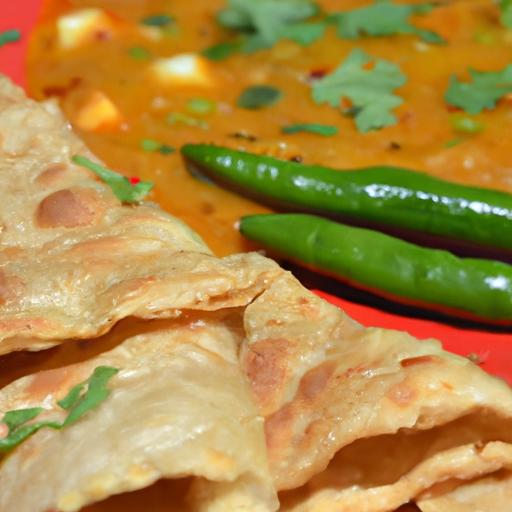



There’s something magical about Indian street food-a vibrant tapestry of flavors, aromas, and colors that instantly awaken your senses. From the fiery tang of chaat to the comforting warmth of stuffed parathas, these iconic dishes tell stories of bustling bazaars and lively roadside stalls where tradition meets culinary creativity. In this article, we invite you to savor the spice and explore some of the top Indian street food recipes you can try today, bringing the bold, irresistible tastes of India right to your own kitchen. Get ready to embark on a flavorful journey that celebrates the heart and soul of India’s street-side cuisine!
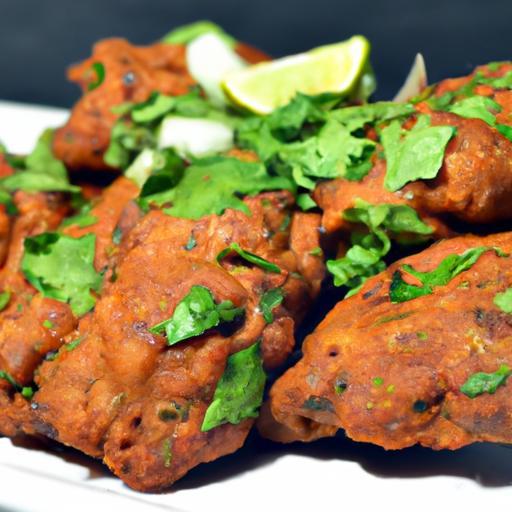
Savor the Spice as you embark on a culinary journey through India’s bustling streets, where every bite tells a story of vibrant culture and bold flavors. Indian street food, renowned for its tangy, spicy, and savory complexity, offers an irresistible invitation into the world of chaat and pakoras-two iconic dishes that perfectly capture the essence of Mumbai’s lively food scene.
Prep and Cook time
- Planning: 20 minutes
- Cooking: 25 minutes
- Total Time: 45 minutes
Yield
- Serves 4-6 people
Difficulty level
- Medium – Ideal for home cooks eager to explore authentic street flavors
Essential Ingredients for Authentic Indian Street Food
- 1 cup chickpea flour (besan), sifted
- 1/2 cup fine semolina (rava)
- 1 teaspoon turmeric powder
- 1 teaspoon red chili powder
- 1 teaspoon coriander powder
- 1 teaspoon chaat masala
- 1/2 teaspoon salt
- 1 teaspoon ajwain (carom seeds)
- 2 cups water (adjust for batter consistency)
- 2 medium potatoes, boiled and diced
- 1 cup finely chopped onions
- 1 cup finely chopped tomatoes
- Fresh cilantro, chopped, for garnish
- 1 cup plain yogurt, whisked
- Tamarind chutney (store-bought or homemade)
- Green chutney (cilantro and mint based)
- Vegetable oil, for deep frying
Step-by-Step Instructions: Mouthwatering Pakoras and Classic Chaat
- Prepare the pakora batter: In a large bowl, combine chickpea flour, semolina, turmeric, red chili powder, coriander powder, ajwain, chaat masala, and salt. Gradually add water while stirring to form a smooth, thick batter that coats the back of a spoon.
- Add veggies: Fold diced potatoes, onions, and tomatoes gently into the batter. This mixture brings a crunchy yet tender texture to the pakoras.
- Heat oil: In a deep frying pan, heat about 2 inches of vegetable oil to 350°F (175°C). To test, drop a small amount of batter; it should sizzle and rise to the surface instantly.
- Fry pakoras: Using a spoon or your fingers, drop small portions of batter into the hot oil. Fry in batches to avoid overcrowding, turning occasionally until golden and crisp, about 4-5 minutes. Drain pakoras on paper towels.
- Assemble the chaat: On a serving platter, lay a base of crispy pakoras. Spoon whisked yogurt generously over the top, followed by drizzles of tamarind and green chutneys for a balance of sweet, tangy, and spicy profiles.
- Garnish and finish: Sprinkle fresh cilantro and a dusting of chaat masala for an extra punch. Optionally,add sev (crispy chickpea noodles) or pomegranate seeds for vibrant color and texture.
Tips for success
- Consistency matters: Ensure your pakora batter is thick enough to hold onto the veggies but not overly stiff-this guarantees crispiness without heaviness.
- Oil temperature: Maintain medium-high heat to get a golden crust without soaking excess oil. Use a thermometer if possible.
- Chutney balance: Homemade tamarind chutney can be adjusted to your preferred sweetness and tanginess; it’s the soul of chaat flavor.
- Make ahead: Prepare chutneys and yogurt in advance. Fry pakoras fresh to maintain their signature crunch.
Serving Suggestions
Serve this flavorful street food marvel immediately with a chilled glass of mint lemonade or Masala chai. For an elevated presentation, use colorful ceramic dishes and scatter chopped fresh coriander liberally. Pair with a simple cucumber salad to refresh the palate between spicy bites.

| Nutrient | Per Serving |
|---|---|
| Calories | 280 kcal |
| Protein | 9 g |
| Carbohydrates | 35 g |
| Fat | 12 g |
For those craving to go beyond, check out more regional Indian street food recipes to expand your kitchen repertoire. Also, to understand the cultural meaning and origins of chaat, visit the comprehensive guide on Encyclopedia Britannica.
Q&A
Q&A: Savor the Spice – Top Indian street Food Recipes to Try Today
Q1: What makes indian street food so uniquely delicious?
A1: Indian street food is a vibrant kaleidoscope of flavors,textures,and aromas. It’s a beautiful symphony of spices-think tangy tamarind, fiery red chili, earthy cumin, and aromatic coriander-all blending in perfect harmony. What truly sets it apart is the balance of bold spices with fresh ingredients, creating bites that are both comforting and exhilarating. Plus, each region brings its own twist, making every dish a story on a plate.
Q2: Can you name some iconic Indian street foods that newcomers should definitely try cooking at home?
A2: Absolutely! Some beloved classics to start your culinary adventure include:
- Pani Puri: Crispy hollow puris filled with spicy, tangy tamarind water and mashed potatoes.
- Vada Pav: The Mumbai burger-a spicy potato fritter sandwiched between soft buns with zesty chutneys.
- Chaat: A medley of textures and flavors-think crunchy sev, tangy yogurt, sweet tamarind, and spicy chutneys over fried dough pieces.
- Bhature with Chole: Puffy fried bread paired with hearty, spicy chickpea curry.
- Dosa: A crispy rice and lentil crepe often stuffed or served with savory sides.
Q3: What are some essential spices and ingredients needed to recreate these street foods at home?
A3: Stock your kitchen with these pantry must-haves: cumin seeds, mustard seeds, turmeric, coriander powder, garam masala, red chili powder, asafoetida (hing), tamarind paste, chaat masala, fresh curry leaves, fresh ginger, garlic, green chilies, and fresh cilantro. These spices and ingredients bring the authentic Indian street food magic to life in your cooking.
Q4: Is indian street food generally spicy, and can the heat be adjusted in home recipes?
A4: Indian street food often features a bold spice profile, but the heat level can absolutely be tailored to your palate. Recipes usually use fresh and dried chilies, as well as peppery spices. When cooking at home, feel free to moderate the chili content or balance heat with cooling yogurt, fresh coriander, or sweet tamarind chutney to keep things perfectly seasoned for your taste buds.Q5: Are there any tips for making these recipes more authentic and restaurant-quality?
A5: To capture authentic flavors, pay attention to spice toasting-dry roasting spices before grinding releases their oils and fragrances.Use fresh ingredients, especially herbs like cilantro and mint, and prepare chutneys and spice mixes fresh rather than pre-packaged. Also, the texture is key: crisp puris, fluffy bhature, or perfectly fermented dosa batter can make all the difference. Patience and practice will turn your kitchen into a bustling Indian street food stall!
Q6: Can Indian street food recipes be adapted for vegetarian or vegan diets?
A6: Indian street food often shines with vegetarian roots, offering many naturally plant-based options. Dishes like pani puri, chaat, vada pav, and dosa are traditionally vegetarian and can easily be made vegan by using plant-based yogurt alternatives or omitting dairy without sacrificing flavor. The vibrant spices and textures ensure that no one feels like they’re missing out.
Q7: Where can I find inspiration or reliable recipes for these street foods?
A7: Authentic recipes can be found in Indian cookbooks focused on regional cuisine, trusted food blogs by Indian home cooks, and food channels that specialize in street food storytelling. Watching video tutorials helps with techniques like puri-making or dosa-spreading. Exploring family recipes or connecting with Indian communities can also enrich your culinary journey with genuine flavors and tips.
Ready to bring the bustling spice markets and street-side stalls of India into your kitchen? dive into these recipes, experiment boldly with spices, and savor the fiery, tangy, sweet, and crunchy magic of indian street food today!
Closing Remarks
As the vibrant flavors of Indian street food continue to tantalize taste buds across the globe, there’s never been a better time to bring these iconic dishes into your own kitchen. From the fiery chaats to the sweet, syrupy jalebis, each recipe tells a story of tradition, culture, and the joyous spirit of India’s bustling streets. So, gather your spices, embrace the adventure, and let your culinary journey begin-because savoring the spice is not just about heat, but about experiencing a rich tapestry of flavors that will keep you coming back for more. Happy cooking!