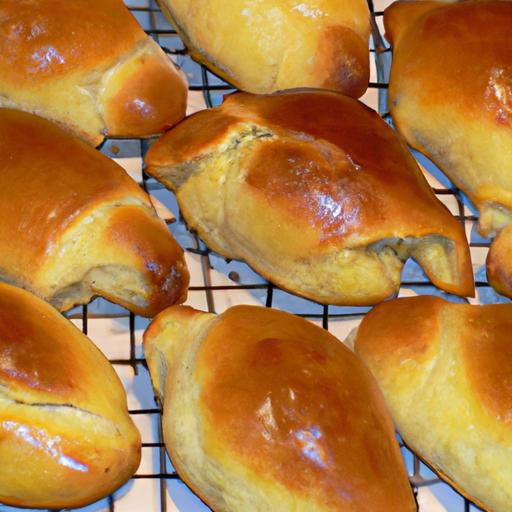




In the heart of Texas, where rolling plains meet vibrant culture, a sweet tradition rises from humble dough-inviting locals and visitors alike to savor a bite of history. Timeless Texas-Czech kolaches are more than just pastries; they are a flavorful bridge between two worlds, carrying the rich heritage of Czech immigrants who settled in the Lone Star State generations ago. With their tender, pillowy texture and joyful fillings ranging from fruit preserves to savory sausages, kolaches have become a beloved symbol of cultural fusion and culinary craftsmanship. Join us as we explore the origins, evolution, and lasting charm of these sweet heritage treats that continue to warm Texas kitchens and hearts alike.
Timeless Texas-Czech Kolaches carry the heart and soul of centuries-old traditions, blending the culinary heritage of Czech immigrants with the bold flavors of Texas. These iconic pastries, beloved across the Lone Star State, tell a story of cultural fusion-airy, pillowy dough cradling vibrant fillings that range from sweet fruits to savory sausages. Whether enjoyed fresh from a bakery or baked at home, kolaches are more than treats; they are edible memories passed down through generations, embodying warmth, community, and celebration.
Prep and Cook Time
- Preparation: 25 minutes
- Proofing: 1 hour 30 minutes
- Baking: 15 minutes
- Total Time: Approximately 2 hours 10 minutes
Yield
This recipe makes about 12 conventional Texas-czech kolaches, perfect for sharing with family and friends.
Difficulty Level
Medium: While the dough requires patience and proper proofing, the process is straightforward and rewarding for bakers of intermediate skill.
Ingredients
- 2 ¾ cups all-purpose flour, sifted
- 1/3 cup granulated sugar
- 1 tsp salt
- 2 ¼ tsp (1 packet) active dry yeast
- ½ cup whole milk, warmed (about 110°F)
- ¼ cup unsalted butter, melted
- 2 large eggs, room temperature
- 1 tsp vanilla extract
- Assorted fillings: apricot preserves, cream cheese, poppy seed filling, or Czech sausage (klobása)
- 1 tbsp melted butter (for brushing)
Instructions
- activate the yeast: In a small bowl, combine the warm milk with a pinch of sugar and the active dry yeast. Let it sit for 5-7 minutes until foamy and bubbling, indicating the yeast is alive and ready.
- Mix dry ingredients: in a large mixing bowl, whisk together the sifted flour, sugar, and salt evenly.
- combine wet ingredients: In a separate bowl, lightly beat the eggs with vanilla and melted butter.
- Make the dough: Pour the activated yeast mixture and egg-butter blend into the flour mixture. Stir gently with a wooden spoon or dough hook attachment until the dough begins to come together.
- Knead: Transfer dough to a lightly floured surface. Knead for 8-10 minutes until smooth, elastic, and slightly tacky but not sticky. Alternatively,use a stand mixer with a dough hook for about 6-7 minutes.
- Frist rise: Place the dough in a greased bowl, cover with a clean kitchen towel or plastic wrap, and allow it to rise in a warm, draft-free spot for about 1 to 1.5 hours, or until doubled in size.
- Shape the kolaches: Punch down the risen dough gently. Divide into 12 equal portions and roll each into a smooth ball. Place on a parchment-lined baking sheet, spaced about 2 inches apart.
- Second rise: Cover loosely and let the dough balls rest for 20 minutes to puff up slightly.
- Create the wells: Use your thumb or the bottom of a small glass to press a shallow well in the center of each dough ball, careful not to press through.
- Add fillings: Spoon generous portions of your chosen fillings into each well-around 1 tablespoon per kolache. Popular fillings include apricot jam for sweetness, cream cheese with vanilla sugar for creaminess, poppy seed paste for tradition, or wrapped Czech sausage for savory delight.
- Bake: Preheat your oven to 375°F (190°C). Bake kolaches for 12-15 minutes or until golden brown on top and lightly browned on the bottom.
- Finish and serve: Brush warm kolaches with melted butter promptly after baking for a glossy finish and extra richness.allow to cool slightly before serving.
Tips for Success
- Milk temperature matters: Keep milk around 110°F to avoid killing the yeast-too hot or cold won’t activate properly.
- Proof your dough well: The texture of Texas-Czech kolaches depends on a proper rise for airy, tender crumb.
- Experiment with fillings: Try fresh fruit preserves or blended cream cheese with lemon zest to elevate flavors.
- Make-ahead tip: the dough can be refrigerated overnight after the first rise. Before shaping, allow it to warm up to room temperature.
- Storage: Store leftovers in an airtight container at room temperature for up to 2 days; reheat gently before serving.
Serving Suggestions
Serve Texas-Czech kolaches warm or at room temperature for optimum flavor and tenderness. Pair sweet kolaches with a cup of strong coffee or black tea. For savory versions, accompany with a fresh garden salad or pickled jalapeños to add a little Texan kick. Garnish with a light dusting of powdered sugar for a classic touch or a sprinkle of chopped fresh herbs (like chives or dill) on savory kolaches for aromatic contrast.

| Nutrient | Per Kolache |
|---|---|
| calories | 220 kcal |
| protein | 5 g |
| Carbohydrates | 30 g |
| Fat | 8 g |
For a deeper dive into regional pastries, don’t miss our article on Southern Pastry Culture and Traditions. To explore the origins of kolaches further, the Czech Tourism Official Site offers captivating historical insights.
Q&A
Q&A: Timeless Texas-Czech Kolaches – A Sweet Heritage Treat
Q: What exactly is a kolache, and why is it crucial in Texas?
A: A kolache is a soft, sweet pastry filled with fruit, cheese, or sometimes savory ingredients, originating from the Czech Republic. In Texas, kolaches have taken on a cherished status, especially in regions with strong Czech immigrant roots. They’re not just delicious treats-they’re edible symbols of heritage,community,and the blending of cultures that define the Lone Star State.
Q: How did kolaches make their way from the Czech Republic to Texas?
A: In the mid-19th century, waves of Czech immigrants settled in Texas, bringing with them their culinary traditions.Kolaches were among the treasured recipes that the settlers passed down through generations. Over time,local adaptations introduced new fillings and flavors,making Texas-Czech kolaches both a nod to the old country and a uniquely Texan creation.
Q: what makes the Texas-Czech kolache different from its European ancestor?
A: While traditional Czech kolaches frequently enough feature poppy seed or prune fillings,Texas kolaches burst with creative variety-from sweet cream cheese and apricot to savory sausage and jalapeño.The dough tends to be slightly sweeter and fluffier, and the kolache’s larger size accommodates hearty fillings that reflect Texas’s bold culinary spirit.
Q: Why are kolaches considered a “timeless” treat?
A: Kolaches have transcended mere pastry status because they carry stories-of migration, family, and resilience.they bridge generations, bringing together grandparents and grandchildren around warm ovens. Even as food trends ebb and flow, kolaches endure as a delicious reminder of heritage, cherished rituals, and community celebrations.
Q: Where can one experience authentic Texas-Czech kolaches today?
A: Authentic kolaches can still be found in small-town bakeries scattered across Central Texas-places like West, Caldwell, and La Grange-where Czech festivals and kolache cook-offs celebrate this cultural gem.Many larger Texas cities also boast bakeries honoring this tradition, ensuring that anyone craving a bite of sweet, doughy history doesn’t have to look far.
Q: What’s the best way to enjoy a kolache?
A: Freshly baked and slightly warm is the kolache ideal. Pair one with a strong cup of coffee for breakfast or enjoy it as a comforting snack any time of day. Whether you choose a classic fruit filling or a spicy sausage kolache, savoring it slowly is the best way to appreciate the layers of flavor-and history-inside.
Q: Can kolaches be part of modern culinary innovation?
A: Absolutely! Inspired chefs and bakers are reinventing kolaches with inventive fillings-think chocolate-dipped cherry, BBQ brisket, or even vegan options-while respecting the foundational dough and spirit. This keeps the tradition alive and evolving, proving that the kolache’s sweet heritage is wonderfully timeless yet refreshingly adaptable.
Insights and Conclusions
From the rolling hills of Texas to the charming villages of the Czech Republic, kolaches carry with them a story baked in tradition and sprinkled with sweet nostalgia. These tender, fruit-filled pastries are more than just a treat-they are a delicious bridge connecting generations and cultures, reminding us that heritage can be savored bite by bite. As you indulge in a warm kolache, you’re partaking in a timeless recipe that has traveled continents and centuries, proving that some flavors are truly meant to be shared and celebrated forever. Whether enjoyed fresh from a Texas bakery or crafted at home with love, kolaches remain a sweet testament to the enduring power of culinary heritage.