


Few dishes capture the heart and soul of filipino cuisine quite like chicken adobo. This beloved classic, with its harmonious blend of tangy vinegar, savory soy sauce, and aromatic spices, tells a story of tradition, culture, and comfort in every bite. But mastering authentic Filipino chicken adobo is more than just following a recipe-it’s about understanding the delicate balance of flavors and the time-honored techniques that have been passed down through generations. In this step-by-step guide,we’ll unravel the secrets behind this iconic dish,empowering you to recreate a truly genuine adobo experience that will transport your taste buds straight to the islands of the Philippines. Whether you’re a seasoned cook or a curious foodie, get ready to embark on a culinary adventure that honors the rich heritage of Filipino cooking.
Mastering Authentic Filipino Chicken Adobo is a culinary journey that connects rich Filipino heritage with vibrant local flavors. This iconic dish has long haunted my kitchen with its aromas-one of my fondest memories growing up is my lola (grandmother) stirring her bubbling pot of chicken adobo, filling the house with tangy, savory scents that promised comfort in every bite. Rooted in Spanish colonial history yet uniquely Filipino, chicken adobo varies remarkably across regions, embodying diverse tastes while honoring tradition.
Prep and Cook Time
- Preparation Time: 15 minutes
- Marinating Time: 1 to 4 hours (optional but recommended)
- Cooking Time: 40 minutes
Yield
Serves 4 hearty portions
Difficulty Level
Medium – Perfect for home cooks eager to explore authentic Filipino flavors
Ingredients
- 2 lbs bone-in, skin-on chicken thighs, trimmed
- 1/2 cup white vinegar (ideally cane or palm vinegar for authentic taste)
- 1/2 cup soy sauce (use Filipino soy sauce brands such as Patis for depth)
- 1 cup water
- 6 cloves garlic, crushed and peeled
- 3 bay leaves
- 1 teaspoon whole black peppercorns
- 1 large onion, thinly sliced (optional, for milder acidity)
- 2 tablespoons cooking oil (coconut oil or vegetable oil works well)
- 1 teaspoon brown sugar (balances the acidity)
- Salt to taste
- Chopped scallions or fried garlic for garnish (optional)
Instructions
- Marinate the chicken: In a non-reactive bowl, combine the chicken, white vinegar, soy sauce, crushed garlic, black peppercorns, and bay leaves. Cover and refrigerate for a minimum of 1 hour, or ideally 4 hours, to develop deep, balanced flavors.
- Sear the chicken: Heat the cooking oil in a large heavy-bottomed pan over medium heat. Remove chicken from the marinade (reserve marinade) and pat dry to avoid splattering. Sauté the chicken skin-side down until golden brown and crisp, about 5-7 minutes per side. transfer to a plate.
- Sauté aromatics: In the same pan, add sliced onions and the remaining garlic from the marinade if desired. Cook until fragrant and translucent, about 3 minutes.
- Simmer in marinade: Pour the reserved marinade and 1 cup of water into the pan. Bring to a gentle simmer, scraping any browned bits from the bottom to enrich the sauce’s flavor.
- Cook the chicken: Return the seared chicken pieces to the pan, skin-side up. Add brown sugar to balance the vinegar’s sharpness. lower the heat, cover, and cook for about 25 minutes, turning chicken halfway through, until tender and infused with the sauce.
- Reduce the sauce: Remove the lid, increase heat, and reduce the liquid until it thickens slightly and coats the chicken, about 5-7 minutes. Taste and adjust salt or vinegar as needed for that perfect balance.
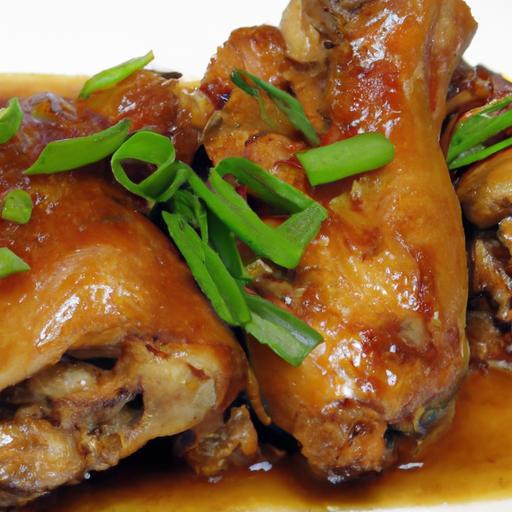
- Serve immediately: Garnish with chopped scallions or crispy fried garlic for added texture and aroma.
Tips for Success
- For an even deeper flavor, marinate the chicken overnight.
- Using bone-in thighs creates a juicier, more tender dish compared to breast meat.
- Adjust vinegar and sugar quantities according to your preferred tanginess and sweetness; the magic of adobo lies in balance.
- If you want a thicker sauce, reduce it uncovered but watch carefully to avoid burning.
- Feel free to swap soy sauce for coconut aminos for a gluten-free option, but keep the customary soy for authenticity.
- Leftovers taste better the next day,making chicken adobo an excellent make-ahead meal.
Serving Suggestions
Plate your chicken adobo alongside fluffy steamed jasmine or jasmine-mixed rice to soak up every drop of the luscious sauce. A simple side of sautéed greens like kangkong (water spinach) or blanched green beans adds vibrant color and freshness to the plate. For an authentic touch, serve with pickled papaya (atchara)-the sweet, tangy crunch perfectly complements the savory depth of the adobo.Garnishing with fried garlic bits or fresh scallions adds an inviting aroma and visual appeal that guests will love.
| Nutrient | Per Serving |
|---|---|
| Calories | 350 kcal |
| Protein | 30 g |
| Carbohydrates | 8 g |
| Fat | 20 g |
Experience how mastering authentic Filipino chicken adobo allows your kitchen to tell the story of tradition, flavor, and warmth, creating moments worth savoring again and again.

For more classic Filipino recipes, check out our Filipino Recipe Collection. To deepen your understanding of Filipino culinary history, visit The National Commission for Culture and the Arts.
Q&A
Q&A: Mastering Authentic Filipino Chicken Adobo – Step-by-Step Guide
Q1: What makes chicken adobo the quintessential Filipino dish?
A1: Chicken adobo is often called the unofficial national dish of the Philippines because it’s a beautiful harmony of sour, salty, and savory flavors that tell the story of Filipino heritage.this humble stew transforms simple ingredients-vinegar, soy sauce, garlic, and bay leaves-into a rich, comforting symphony that’s both timeless and deeply comforting.
Q2: Can I really make authentic Filipino chicken adobo at home?
A2: Absolutely! Authenticity lies in the balance and simplicity of ingredients, not complexity. With the right technique-marinating the chicken well, using the right proportions of vinegar to soy sauce, slow simmering to tender perfection-your kitchen can be a Filipino eatery in no time.Q3: What’s the first step to mastering the perfect chicken adobo?
A3: Begin with a thoughtful marinade. Combine chicken pieces with soy sauce, vinegar, crushed garlic, black peppercorns, and bay leaves. Marinate for at least 30 minutes-overnight if you have time-to infuse the meat with those signature flavors.
Q4: Is ther a secret ingredient that sets Filipino chicken adobo apart from other stewed dishes?
A4: The secret isn’t a single ingredient but the interplay between vinegar and soy sauce. vinegar adds tang and tenderizes the meat, while soy sauce brings umami and saltiness. The magic happens when you balance these perfectly. Some cooks add a touch of sugar or coconut milk to personalize the flavor, but the core remains the same.
Q5: How long should I simmer the chicken for that melt-in-your-mouth texture?
A5: After marinating and briefly frying the chicken, simmer it gently in the marinate plus water for about 30 to 40 minutes.This slow simmer allows the flavors to meld and the meat to become tender without drying out.
Q6: Can I customize chicken adobo or does it have to be traditional?
A6: Filipino cuisine embraces creativity! While classic chicken adobo focuses on the vinegar-soy balance, regional variations might include coconut milk (adobo sa gata), potatoes, or even pineapple. Feel free to experiment, but always honor the signature tangy-salty profile.Q7: What should I serve with chicken adobo for a truly authentic experience?
A7: Serve your chicken adobo steaming hot alongside fluffy white jasmine rice-the perfect vehicle to soak up the luscious, savory sauce. For a complete Filipino feast, add sides like atchara (pickled papaya) or sautéed greens.
Q8: Any tips for reheating adobo without losing its flavor?
A8: Adobo actually tastes better the next day! When reheating,gently warm it over low heat to prevent the vinegar from becoming too sharp. A splash of water or broth can help loosen the sauce and refresh the flavors.
Q9: What kitchen tools are essential for preparing chicken adobo?
A9: A sturdy, wide pot or deep skillet is your best friend-it allows even simmering and easy stirring. A sharp knife for prepping your ingredients and a garlic crusher or mortar and pestle for freshly smashed garlic elevate the flavors tremendously.
Q10: How can mastering chicken adobo deepen my appreciation of Filipino culture?
A10: Cooking chicken adobo is more than a recipe-it’s a tasty gateway into Filipino history and family traditions. Every tangy bite connects you with generations of cooks who learned to transform simple pantry staples into soulful, celebratory meals. Through adobo, you taste resilience, warmth, and the unique heart of Filipino hospitality.
Eager to transform your kitchen into a Filipino culinary sanctuary? Grab your soy sauce and vinegar-let’s embark on the adobo adventure!
To Conclude
As you close this flavorful journey into mastering authentic filipino chicken adobo, remember that the magic lies not just in the ingredients or the precise steps, but in the patience and love you fold into every simmering pot. With this step-by-step guide armed in your culinary arsenal, you’re now ready to create a dish that carries the rich heritage and unforgettable taste of the Philippines straight to your table.so, gather your garlic, vinegar, soy sauce, and bay leaves, and let each bite tell a story-one of tradition, comfort, and the warm embrace of home-cooked goodness.Happy cooking, and Mabuhay to your adobo adventures!