


in the quest for a healthier lifestyle, mastering the art of macro-amiable eating has become more than just a buzzword-it’s a powerful approach to nourishing your body with balance and intention. Imagine meals carefully crafted not only to satisfy your taste buds but also to fuel your energy, support muscle growth, and keep cravings at bay. This guide will unravel the mystery behind macronutrients-proteins,fats,and carbohydrates-and show you how to harmonize them into tasty,well-rounded meals. Whether you’re an athlete aiming for peak performance or simply someone seeking smarter eating habits, understanding macros empowers you to take control of your nutrition without sacrificing enjoyment. Welcome to your journey toward balanced, mindful eating that truly works.
Mastering macro-friendly eating unlocks the secret to vibrant,balanced meals that fuel your body without sacrificing flavor or satisfaction. By understanding how proteins, carbohydrates, and fats interplay on your plate, you can craft dishes that energize your day and support your wellness goals. Whether you’re a meal prep rookie or a seasoned cook, thes practical tips and ingredient swaps make staying on track approachable and delicious.
Prep and Cook Time
Prep: 15 minutes | Cook: 20 minutes | Total: 35 minutes
Yield
Serves 4 hearty portions
Difficulty Level
Easy to Medium
Ingredients
- 1 cup quinoa, rinsed thoroughly
- 2 cups low-sodium vegetable broth
- 1 tbsp extra virgin olive oil
- 1 medium red bell pepper, diced
- 1 cup chopped kale, stems removed
- 1/2 cup canned chickpeas, drained and rinsed
- 1/4 cup raw almonds, chopped
- 1/4 cup crumbled feta cheese (optional)
- 1 tbsp fresh lemon juice
- 1 clove garlic, minced
- 1 tsp ground cumin
- Salt and pepper to taste
Instructions
- Cook the quinoa: In a medium saucepan, combine rinsed quinoa and vegetable broth.Bring to a boil over medium-high heat, then reduce to low, cover, and simmer for 15 minutes until liquid is absorbed and quinoa is fluffy.Remove from heat and let stand covered for 5 minutes.
- Sauté the vegetables: While quinoa cooks, heat olive oil in a large skillet over medium heat. Add minced garlic and sauté for 30 seconds until fragrant. Toss in diced red bell pepper and chopped kale, cooking until kale is wilted and pepper softens, about 5 minutes.
- Combine chickpeas and spices: Stir chickpeas into the skillet along with ground cumin, salt, and pepper. Cook for 3 more minutes, allowing flavors to meld and chickpeas to warm through.
- Mix the bowl: Fluff quinoa with a fork and transfer to a large mixing bowl. Add the sautéed veggie-chickpea mixture and chopped almonds. Drizzle fresh lemon juice on top and gently toss everything together for an even, vibrant balance of flavors and textures.
- Finish and serve: Sprinkle crumbled feta cheese over each portion if desired. Serve warm or at room temperature, garnished with fresh herbs like parsley or mint for an extra pop of colour and freshness.
Tips for Success
- Boost protein: For a higher protein boost, swap chickpeas for grilled chicken breast or pan-seared tofu.
- Kale alternative: Spinach or Swiss chard can be used if kale isn’t available-just adjust cooking time accordingly as these greens wilt faster.
- Make ahead: This quinoa bowl keeps well refrigerated up to 4 days, making it ideal for batch cooking and fast lunches.
- Flavor enhancements: Add a sprinkle of smoked paprika or a dash of chili flakes if you like a little heat and depth without added calories.
Serving Suggestions
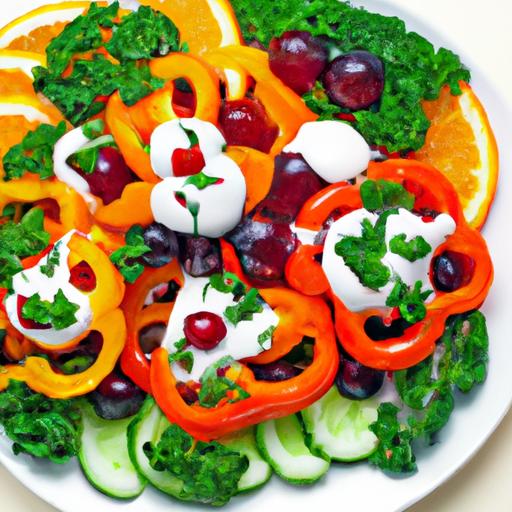
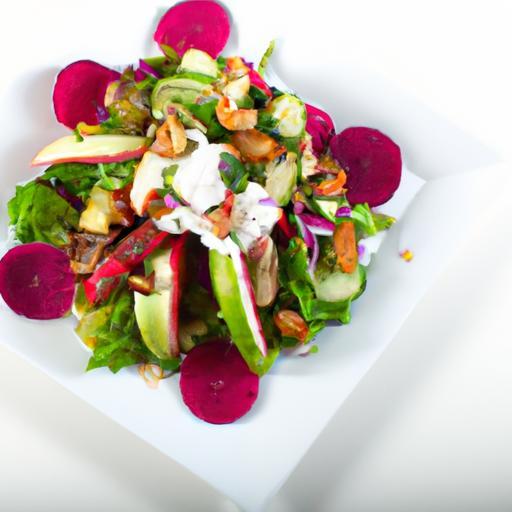
This colorful quinoa and chickpea bowl shines plated in shallow bowls, allowing ingredients to be seen and appreciated. Top with a wedge of lemon on the side for an interactive zest burst, or drizzle a creamy tahini dressing to add richness without overwhelming macros. Toasted seeds like pumpkin or sesame elevate the crunch and nutrient profile beautifully. Pair with a fresh cucumber and tomato salad for a light, hydrating complement.

| Nutrient | Per Serving |
|---|---|
| Calories | 350 kcal |
| Protein | 14 g |
| Carbohydrates | 45 g |
| fat | 9 g |
Crafting Your Plate: Practical Tips for Portion Control and Meal Composition
To create harmony between calories and nutrients, start by visualizing your plate divided into thirds: one-third protein, one-third complex carbohydrates, and one-third vegetables or greens. Using smaller plates not only helps control portion size but also cleverly tricks the eye into feeling satisfied with less. incorporate varied textures and colors, like the crunchy almonds and leafy kale in this recipe, to keep meals captivating and fulfilling while adhering to macro-conscious principles.
Smart Ingredient Swaps to Boost Nutrient Density Without Compromising Flavor
Mastering macro-friendly eating invites you to be adventurous with swaps. Rather of white rice, choose quinoa or farro for added fiber and protein. Replace mayonnaise with greek yogurt in dressings for creaminess minus unnecessary fats. Tiny additions such as chia seeds or hemp hearts can elevate omega-3 content seamlessly. The key is to enhance nutrition subtly so flavor remains the star of your plate.
Meal Prep Strategies for Staying Macro-Conscious on Busy Days
Batch cooking foundational ingredients like grains, legumes, and roasted vegetables ahead of time saves valuable minutes on hectic days. store components separately to maintain freshness and allow easy mixing for varied meals throughout the week. Utilize airtight containers and label them with dates. Investing in quality reusable containers with portion markers can further reinforce macro mindfulness, making convenience and health a winning combination.
For a deeper dive into balanced meal planning,check out our Balanced Meal Planning guide. For scientifically backed nutrition insights, visit the Academy of Nutrition and Dietetics.
Q&A
Q&A: Mastering Macro-Friendly Eating - Your Guide to Balanced Meals
Q1: What exactly does “macro-friendly eating” mean?
A: Great question! Macro-friendly eating is all about balancing the three essential macronutrients your body needs: proteins, carbohydrates, and fats. Rather than focusing on calories alone, it hones in on how these nutrients fuel your body and support your goals-whether that’s building muscle, losing fat, or simply feeling energized throughout the day.
Q2: Why are macros so vital compared to just counting calories?
A: While calories tell you how much energy you consume, macros reveal the quality of that energy. Proteins repair and build tissue, carbs supply quick energy, and fats support hormones and brain function. by mastering your macros, you can customize meals that not only hit your calorie goals but also optimize your body’s performance and health.
Q3: How do I determine my ideal macro ratio?
A: Your perfect macro ratio depends on your lifestyle, goals, and preferences. A common starting point is 40% carbs,30% protein,and 30% fat,but athletes might need more protein,while endurance enthusiasts may lean on carbs. Experimentation and tracking are key! Consulting a nutritionist can give you tailored guidance.
Q4: What are some simple macro-friendly meal ideas?
A: Think vibrant grilled chicken paired with quinoa and roasted veggies, or a colorful smoothie blending Greek yogurt, spinach, berries, and a spoonful of almond butter.Macro-friendly meals combine quality protein, complex carbs, and healthy fats-making your plate a powerhouse without losing flavor or fun.
Q5: Can macro-friendly eating be flexible and enjoyable?
A: Absolutely! The beauty of mastering macros is that it’s adaptable.Craving pizza? balance it out by adjusting other meals that day. macro-friendly eating isn’t about restriction-it’s about mindful choices and learning to nourish your body with intent while still savoring life’s delicious moments.
Q6: how can I start tracking my macros without feeling overwhelmed?
A: Start simple! Use apps that scan barcodes or let you log meals with ease. Focus on major meals first before getting too granular with snacks. Over time, estimating portions becomes second nature, turning tracking from a chore into an insightful habit that empowers your nutrition journey.
Q7: What are common mistakes to avoid when mastering macros?
A: One big pitfall is obsessing over hitting exact numbers every day-remember,balance over perfection wins! Another is neglecting micronutrients and whole foods in favor of “macro-friendly” processed options. prioritize nutrient-dense, real foods to keep your meals truly nourishing.
Mastering macro-friendly eating transforms your nutrition from a confusing puzzle into a scenic road trip-balanced, exhilarating, and tailored just for you. with this guide, you’re equipped to create meals that fuel your ambitions and delight your taste buds. Happy eating!
In Retrospect
As you embark on your journey to master macro-friendly eating, remember that balance is more than just numbers on a plate-it’s about nourishing your body, fueling your goals, and embracing a enduring lifestyle. With a little planning, creativity, and mindfulness, crafting meals that align with your macros becomes less of a chore and more of an empowering habit. So, equip yourself with knowledge, trust the process, and savor every bite on the path to a healthier, happier you. Your well-balanced future starts now.