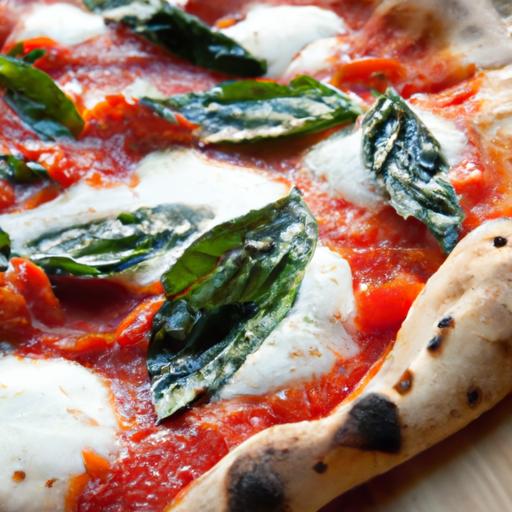



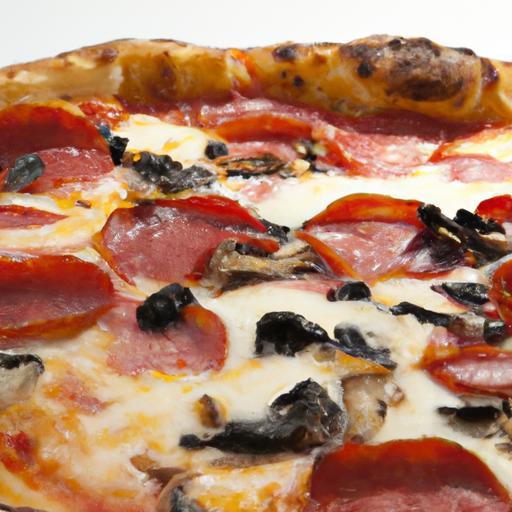
In the heart of Italy, where history and flavor intertwine, traditional pizza stands as a delicious testament to centuries of culinary artistry. More than just a meal, Italian pizza is a timeless experience-its golden crust, vibrant tomato sauce, and melted mozzarella telling a story passed down through generations. This article embarks on a flavorful journey into the art of traditional Italian pizza, uncovering the techniques, ingredients, and cultural heritage that make each slice a masterpiece. Join us as we explore how simplicity and tradition combine to create one of the world’s most beloved dishes, capturing the essence of Italy in every bite.
Timeless Taste resonates deeply when you knead together centuries of Italian tradition into a single pizza dough ball. The art of traditional Italian pizza is more than just a recipe; it’s a living heritage, echoing the sun-drenched ovens of Naples and the vibrant piazzas where family and friends gather. This craft begins with humble ingredients-simple yet pure-that unlock authentic flavor with every bite. From the origin of the dough to mastering the delicate dance of classic Neapolitan sauces and toppings, this guide invites you to bring Italy’s true culinary soul right into your kitchen.
Prep and Cook Time
- Preparation Time: 4 hours (including dough fermenting)
- active Cooking Time: 15 minutes per pizza
- Total Time: Approximately 4 hours 15 minutes
Yield
- 4 traditional 10-inch Neapolitan pizzas
Difficulty Level
- Medium – perfect for home cooks ready to embrace authentic techniques
Ingredients
- 500g (about 4 cups) Italian 00 flour,sifted
- 325ml (1⅓ cups) lukewarm water (approx.95°F / 35°C)
- 2 tsp fine sea salt
- 1 tsp active dry yeast
- 1 tbsp extra virgin olive oil (optional, for a silkier dough)
- 1 can (400g) San Marzano tomatoes, crushed (for sauce)
- 2 cloves garlic, finely minced
- Fresh basil leaves, a handful
- 250g (9 oz) fresh mozzarella di bufala, torn into small pieces
- Extra virgin olive oil, for drizzling
- Sea salt flakes, to taste
Instructions
- Activate the yeast: In a small bowl, dissolve the yeast in lukewarm water. let it sit for 5-10 minutes until frothy. This ensures your dough will rise beautifully.
- mix the flour and salt: In a large mixing bowl, combine the sifted Italian 00 flour with salt. Make a well in the center.
- Add yeast and olive oil: Pour the frothy yeast mixture and olive oil (if using) into the well.Stir gently with a wooden spoon until a shaggy dough forms.
- Knead the dough: transfer to a lightly floured surface and knead for about 10 minutes. The dough should be elastic, soft, and slightly tacky but not sticky. add flour sparingly if it clings excessively.
- First rise: Shape the dough into a ball and place it in a lightly oiled bowl. Cover with a damp cloth or cling film. Let it rise in a warm spot for 2 hours or until doubled in size.
- Divide and shape: Punch the dough down gently. divide into 4 equal portions. Shape each into tight balls and cover again. Let them rest for 1-2 hours; this final fermentation creates that airy crumb.
- Prepare the sauce: In a bowl, combine crushed San Marzano tomatoes, minced garlic, a pinch of sea salt, and torn basil leaves. No cooking required-this fresh sauce bursts with pure flavor.
- Preheat oven: Preheat your oven to its maximum temperature (ideally 500°F / 260°C or higher) and place a pizza stone or inverted baking sheet inside to heat thoroughly, mimicking a wood-fired oven.
- Shape your pizza bases: On a floured surface, gently stretch each dough ball into a 10-inch circle, keeping the edges thicker to develop a classic Neapolitan crust. Avoid rolling pins to preserve air bubbles.
- Assemble pizzas: Spoon a thin layer of tomato sauce evenly over the base, add torn mozzarella, a few basil leaves, and a drizzle of olive oil.
- Bake: carefully slide the pizza onto the hot stone or tray. Bake for 7-10 minutes, rotating halfway, until crust blisters and cheese melts into creamy pools with golden spots.
- Finish and serve: Drizzle with a little extra virgin olive oil and sprinkle with sea salt flakes. Serve promptly to savor the contrast of crispy crust and melting cheese.
Chef’s Notes: Tips for Success
- flour choice: The Italian 00 flour is essential for the authentic silky texture-try Italian brands like Caputo for best results.
- water temperature: Keep water slightly warm to activate yeast without killing it. Too hot and the dough won’t rise properly.
- Cold fermentation: For deeper flavor, refrigerate the dough balls overnight after the first rise and bring to room temperature before shaping.
- Sauce simplicity: Resist cooking your sauce; raw San Marzano tomatoes with fresh basil provide a vibrant, balanced taste unmatched by cooked versions.
- Oven alternatives: If you don’t have a pizza stone, a heavy-duty cast-iron skillet preheated in the oven works well for a uniformly crisp crust.
- Make-ahead: Dough freezes beautifully after the first rise-thaw overnight for fast pizza nights.
Serving Suggestions
Present your pizza on rustic wooden boards or ceramic plates to evoke a true Italian pizzeria vibe. Garnish with fresh basil leaves and a light drizzle of high-quality extra virgin olive oil. Pair with a crisp Italian white wine like Verdicchio or a sparkling Aperitivo to balance the richness. A simple arugula salad tossed with lemon and Parmesan offers a bright contrast to the warm, herbaceous pizza. For dessert, a classic gelato or espresso assures a perfect Italian food journey from start to finish.

| Nutrient | Per Serving (1 pizza) |
|---|---|
| calories | 420 kcal |
| Protein | 18 g |
| Carbohydrates | 52 g |
| Fat | 14 g |
For a deeper dive into Italian culinary traditions, explore our classic Italian pasta recipes.Additionally, learn more about the heritage of Italian pizza on Eataly’s extensive pizza history.
Q&A
Q&A: Timeless Taste – Exploring the Art of Traditional Italian Pizza
Q1: What makes traditional Italian pizza truly timeless?
A1: Traditional Italian pizza stands the test of time as it embodies simplicity, quality, and a deep respect for ingredients. Its roots reach back centuries, where fresh, local produce and handcrafted dough create a perfect harmony. The magic lies in balancing rustic flavors-tangy San Marzano tomatoes, creamy mozzarella di bufala, fragrant basil, and just a hint of extra virgin olive oil-all baked in a wood-fired oven to achieve that signature charred, bubbly crust.
Q2: How dose the preparation of Italian pizza differ from other pizza styles?
A2: Unlike many modern pizzas, traditional Italian pizza focuses on minimalism and technique rather than piling on toppings. The dough is prepared with a slow-fermentation process, frequently enough 24 hours or more, to develop depth and texture. The pizza is then tossed by hand, stretched thin for a tender yet crisp bite, and quickly cooked at very high temperatures, frequently enough exceeding 900°F, which locks in flavor and creates its iconic leopard-spotted crust.
Q3: Why are specific ingredients like San Marzano tomatoes and mozzarella di bufala essential?
A3: San Marzano tomatoes, grown in the volcanic soil near Mount Vesuvius, offer a naturally sweet, low-acid profile that forms the perfect sauce base without overpowering the pizza. Mozzarella di bufala, made from water buffalo milk, delivers a rich, creamy texture and a subtle tang that balances the tomato’s acidity. These ingredients are not just traditional; they’re irreplaceable for achieving authentic flavor and authenticity.Q4: What role does tradition play in the making of Italian pizza today?
A4: Tradition is the heartbeat of italian pizza. It’s a craft passed down through generations, often guarded like a family secret. From the precise way dough is mixed and rested to the method of stacking toppings, each step honors a legacy. At the same time, tradition encourages respect for regional variations, like the Neapolitan pizza in Naples versus the Roman style-each with its own story and flavor profile, yet united by a shared pursuit of delicious simplicity.
Q5: How has traditional Italian pizza influenced global cuisine?
A5: traditional Italian pizza has become a global ambassador of culinary art. It has inspired countless adaptations, from New York’s foldable slices to Chicago’s deep-dish wonders. Yet, at its core, it has taught the world about the importance of quality over quantity, and how humble ingredients, treated with care, can create unforgettable food. Its influence continues to spark creativity while reminding us that great pizza is a balance of art, science, and passion.
Q6: Can someone recreate the traditional Italian pizza experience at home?
A6: Absolutely-with a bit of patience and respect for the process. Key tips include using high-quality ingredients, allowing the dough ample time to ferment, and cooking at the highest temperature possible-ideally in a pizza stone or steel to mimic a wood-fired oven’s intense heat. While replicating the exact flavor of a Neapolitan pizzeria might be tricky,the joy of crafting pizza from scratch and savoring its simple pleasures is a tribute to tradition in itself.
Q7: What is the cultural meaning of pizza in Italy beyond just being a meal?
A7: Pizza in Italy is much more than food-it’s a symbol of communal warmth, shared history, and regional pride. It brings people together around tables, transcending socio-economic backgrounds. It’s a ritual celebrating craftsmanship and family, often consumed slowly with laughter and conversation. Through pizza, Italians express storytelling, identity, and a beliefs that food should nourish both body and soul.
This Q&A dives into the heart of Italian pizza’s enduring allure, celebrating its artistry and the rich heritage that continues to delight taste buds worldwide.
To Conclude
As we close our journey through the rich and flavorful world of traditional Italian pizza, it’s clear that this culinary treasure is much more than just food-it is a vibrant expression of culture, history, and artistry baked into every crispy crust and melted layer of cheese. The timeless taste of authentic Italian pizza invites us to savor simplicity, honor tradition, and appreciate the careful craftsmanship passed down through generations.Whether enjoyed in a bustling pizzeria in Naples or recreated in your own kitchen, the art of traditional Italian pizza remains a delicious reminder that some flavors never go out of style. So next time you take a bite, remember you’re tasting a piece of history, lovingly crafted to perfection.