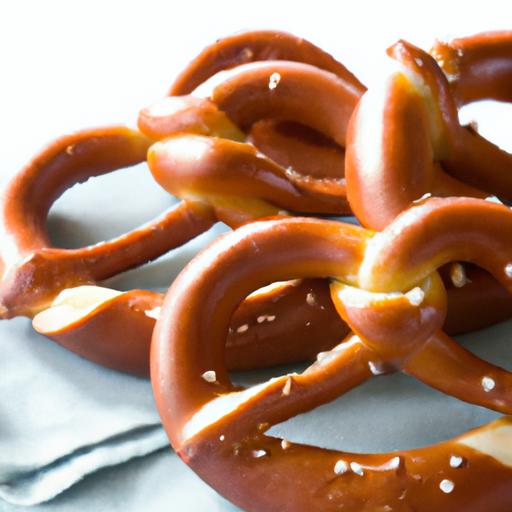



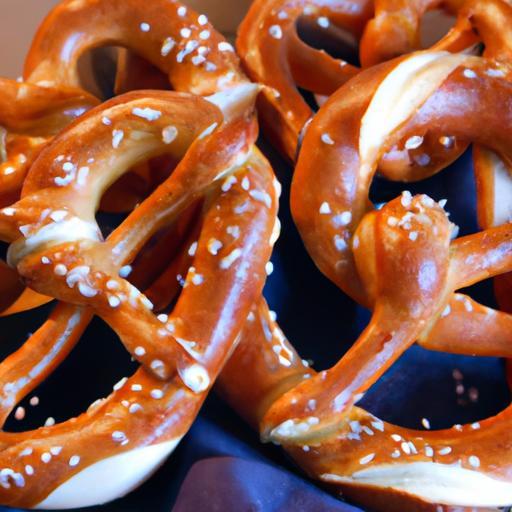
There’s something irresistibly comforting about biting into a pretzel with a perfectly golden crust that yields too a soft, chewy center, infused with rich, buttery goodness. This humble snack, frequently enough seen as a simple street food or a casual treat, holds a centuries-old craft behind its unique texture and flavor-a delicate balance of ingredients and techniques that transforms dough into edible art. In this article, we unravel the secrets behind the art of soft, chewy, and buttery pretzels, exploring the traditions, science, and subtle nuances that make every bite a warm embrace of taste and texture. Whether you’re a passionate baker or a curious foodie, join us as we dive deep into the world of pretzel perfection.
The Art of Soft, Chewy, and Buttery Pretzels Revealed
The art of soft, chewy, and buttery pretzels revealed begins with understanding the delicate balance of science and craft that transforms simple dough into a golden masterpiece.Originating from customary Bavarian baking, thes pretzels have captured hearts worldwide due to their irresistibly tender crumb and rich, buttery finish. Whether enjoyed fresh from the oven or with your favorite dipping sauce, mastering this recipe guarantees a bakery-quality experience right in your kitchen.
Prep and Cook Time
- Prep Time: 20 minutes
- Proofing: 1 hour 30 minutes
- Baking Time: 12-15 minutes
- Total Time: Approximately 2 hours
Yield
8 generously sized pretzels
Difficulty Level
Medium – Requires basic kneading and shaping skills
Ingredients
- 4 cups all-purpose flour, sifted
- 1 tablespoon granulated sugar
- 2 teaspoons kosher salt
- 1 packet (2 1/4 teaspoons) active dry yeast
- 1 1/2 cups warm water (105°F-110°F)
- 3 tablespoons unsalted butter, melted + extra for glaze
- 10 cups water
- 2/3 cup baking soda
- Coarse sea salt for sprinkling
- Optional: garlic powder, smoked paprika, or herb blend for seasoning
The Science Behind Soft, Chewy, and Buttery Pretzels: Mastering the Dough and Kneading
Achieving the perfect soft, chewy, and buttery texture hinges on a few crucial scientific principles and technique-driven steps. The yeast ferments the sugars, creating carbon dioxide that aerates the dough, giving the pretzels their soft interior. Using warm water activates the yeast quickly, but be mindful to keep the temperature just right – too hot and the yeast can die, too cold and it slows the rising process.
The ratio of fat (butter) to flour enhances tenderness and mouthfeel by coating gluten strands, which limits toughness and ensures that satisfying chewiness without being dense. Kneading activates gluten, the protein network that traps the yeast’s gas bubbles. A medium-firm, elastic dough that’s smooth to the touch signals a well-developed gluten network – aim for about 8-10 minutes of kneading by hand or 5-6 with a stand mixer.
Elevating Flavor with Buttery Glazes and seasoning Secrets
Right after baking, brushing your pretzels with melted butter lends a rich sheen and deepens their flavor profile, creating a subtle contrast to their saltiness. To elevate the experience, mix your melted butter with a pinch of garlic powder or smoked paprika before glazing for an irresistible aroma and hint of spice.Season generously with coarse sea salt to maintain that essential crunch and seasoning pop – it’s a small detail that happens to make a huge difference.
Pro Tips for baking Pretzels That stay Fresh and Irresistibly tender
- Baking soda bath: Boil the pretzel dough briefly in a baking soda solution before baking – this alkaline bath develops the crust’s signature golden-brown and slightly crisp exterior while preserving softness inside.
- Store properly: Keep pretzels in an airtight container once fully cooled to maintain moisture and freshness for up to 2 days. For longer storage, freeze and reheat gently.
- Gentle shaping: Avoid over-handling once shaped; excessive stretching can deflate the dough bubbles and make the pretzels tough.
- Experiment with batters: Try swapping part of the butter for browned butter in the glaze for a nutty twist that enhances depth.
Instructions
- Activate the yeast: In a small bowl, combine warm water (105°F-110°F) and sugar, then sprinkle the yeast on top. Let sit for 5-10 minutes until foamy and bubbling.
- Mix dry ingredients: In a large bowl or stand mixer, whisk together the sifted flour and kosher salt.
- Form the dough: Gradually add the yeast mixture and 3 tablespoons melted butter to the flour. Mix on low speed or with a wooden spoon until a shaggy dough forms.
- Knead: Knead dough by hand on a lightly floured surface for about 8-10 minutes, or 5-6 minutes in a stand mixer with the dough hook, until smooth, elastic, and slightly tacky but non-sticky.
- First rise: Place dough in a lightly oiled bowl, cover tightly with plastic wrap or a damp towel, and let it proof in a warm spot for 1 hour or until doubled in size.
- Preheat oven: Heat your oven to 450°F (230°C). Line two baking sheets with parchment paper and set aside.
- Shape pretzels: Punch down the dough,divide into 8 equal pieces,and roll each into about 20-inch ropes. Twist each rope into the classic pretzel shape and place on prepared sheets.
- Baking soda bath: In a large pot, bring 10 cups water and 2/3 cup baking soda to a rolling boil. Carefully lower each pretzel into the boiling water for 30 seconds. Remove with a slotted spoon and return to baking sheets.
- Salt and season: Immediately sprinkle each pretzel with coarse sea salt and optional seasoning.
- bake: bake pretzels for 12-15 minutes until deep golden brown. Watch closely to prevent burning.
- Butter glaze: Remove pretzels from the oven and brush generously with melted butter (optionally combined with garlic powder or spices) while still warm.
- Cool and serve: Transfer pretzels to wire racks. Serve warm with mustard, cheese dips, or your favorite spreads.
Chef’s Notes & Tips for Success
- For a naturally rich flavor, use European-style butter with higher fat content in both dough and glaze.
- If the dough feels too sticky during kneading, sprinkle in a tablespoon of flour at a time – be careful not to overdo it.
- Experiment with pretzel shapes – twists, knots, or sticks all bake beautifully.
- Make-ahead option: Shape and bake the pretzels, then freeze individually wrapped. Reheat at 350°F for about 8 minutes for freshly baked taste.
- To keep pretzels glossy and tender longer, lightly mist them with water and reheat in a low oven before serving.
Serving Suggestions
Soft, chewy, and buttery pretzels shine brightest when paired with robust condiments.Try traditional spicy mustard, velvety cheese sauce, or a sweet cream cheese dip. For a gourmet twist, top with caramelized onions or a sprinkle of fresh rosemary. Serve alongside a crisp salad or a chilled stout for a perfect snack or casual meal. Garnish with a dash of flaky sea salt and freshly cracked black pepper to amplify texture and flavor contrast.

| Nutrient | Per Pretzel |
|---|---|
| Calories | 280 kcal |
| Protein | 7 g |
| Carbohydrates | 50 g |
| Fat | 6 g |
For more savory bread inspiration, check out our Complete Guide to Artisan Soft Breads.To dive deeper into yeast science, this Britannica article on yeast is a extensive resource.
Q&A
Q&A: The Art of Soft, Chewy, and Buttery Pretzels Revealed
Q: What makes a pretzel soft and chewy rather than hard and crunchy?
A: The secret lies in the dough’s hydration and the precise baking technique. A higher moisture content in the dough creates that tender crumb inside, while a quick dip in a baking soda bath before baking forms the iconic chewy crust. The alkaline soak raises the pH on the surface, promoting the Maillard reaction that yields that beautiful deep brown and slightly crisp exterior, sealing in softness beneath.
Q: Why is the pretzel dough frequently enough described as “buttery,” and how do bakers achieve this?
A: Butteriness is more than just adding butter-it’s about balancing fat, sugar, and salt in the dough. Butter tenderizes the gluten strands, creating a softer bite, while a touch of sugar caramelizes during baking to enhance flavor and color. Some recipes even brush melted butter on the pretzels post-bake, infusing them with a glossy sheen and rich, luscious flavor that melts on your tongue.
Q: How does the baking soda bath impact the final pretzel? Is there an option?
A: The baking soda bath is key to that signature pretzel flavor and texture. When the dough takes a brief alkaline bath, it gelatinizes the surface starches, ensuring the crust crisps perfectly while staying tender inside.Alternatives like lye (used traditionally) create an even darker crust but are less common due to safety concerns. Some bakers experiment with baking powder or a milder alkaline soak,but baking soda remains the most accessible and effective choice.
Q: can the art of pretzel making be mastered at home,or is it mainly the domain of professional bakers?
A: Absolutely,home bakers can master it! While pretzels may look intricate,the process is quite forgiving with the right techniques. The keys are kneading for gluten advancement, allowing proper fermentation for flavor depth, and nailing the baking soda bath timing. With patience and practice,anyone can bake soft,chewy,buttery pretzels that rival those from traditional bakeries.
Q: How do toppings affect the pretzel experience?
A: Toppings transform the pretzel from simple to sensational. coarse salt is classic, offering bursts of savory crunch, but try everything from sesame seeds and poppy seeds to cinnamon sugar or grated cheese for sweet or savory twists. The toppings not only add flavor and texture but also invite creativity, allowing each pretzel to tell a delicious story.
Q: What are some common pitfalls to avoid when making soft pretzels?
A: Underproofing the dough leads to dense pretzels,while overproofing causes them to collapse.Skipping the alkaline bath results in pale, flavorless crusts lacking that characteristic chew. Overbaking dries out the pretzel, killing the buttery softness. The balance between these steps is delicate, so attention to timing and temperature is your best ally.
Q: why do pretzels hold such a beloved place in baking culture worldwide?
A: Pretzels are at once humble and magical-born from simple ingredients but transformed through centuries-old techniques into a sensory delight. Their golden crust, chewy embrace, and comforting warmth invite community, nostalgia, and joy. Thay bridge cultures and generations, proving that sometimes, the simplest art forms carry the richest stories.
key Takeaways
As the final twist of dough settles and that golden crust emerges from the oven’s warm embrace, the art of crafting soft, chewy, and buttery pretzels reveals itself as a harmonious dance between tradition and technique.Each bite carries the story of patient kneading, precise boiling, and the perfect buttery finish-a sensory symphony that transforms simple ingredients into an irresistible delight. Whether enjoyed fresh from the oven or savored slowly with a favorite dip, mastering this craft invites us to appreciate not just a snack, but a timeless culinary experience shaped by both science and soul. So next time you pull apart a warm pretzel, remember: behind its tender chew and rich flavor lies a delicious secret waiting to be savored again and again.