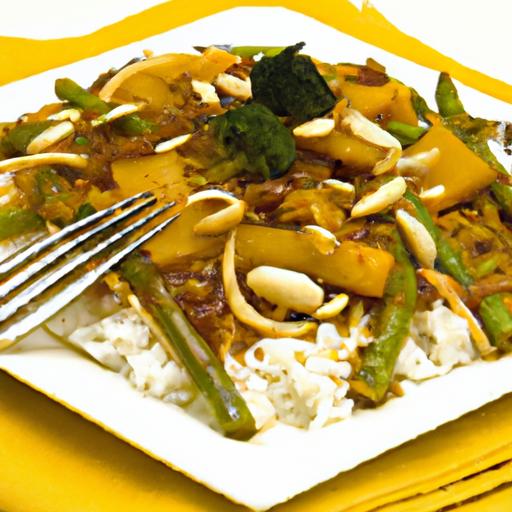




India’s culinary tapestry is as diverse as its vibrant culture, and among its many treasures lies a rich tradition of vegetarian cuisine that has been delighting palates for centuries. “Savor India: A Flavorful Journey Through Veggie Delights” invites you to embark on an aromatic adventure across the subcontinent, where spices dance, textures mesmerize, and colors burst with life. From the hearty lentil stews of the north to the coconut-infused curries of the south, India’s vegetable dishes are more than just food-they are stories on a plate, blending history, geography, and heritage. Join us as we explore this plant-based feast, uncovering recipes and flavors that celebrate the art of vegetarian cooking in India’s most beloved regional specialties.
Savor India’s vibrant heritage through the exquisite balance of spices and textures in Baingan Bharta, a timeless roasted eggplant dish hailing from Northern India’s rustic kitchens. This smoky, velvety vegetarian classic captures the essence of Indian flavors with a simplicity that invites home cooks to embrace the authentic layering of spices. Growing up, my grandmother’s kitchen would fill with the aroma of charred eggplants merging with fresh coriander and tangy tomatoes-a sensory embrace that transformed humble ingredients into rejoicing plates.
Savor India: Prep and Cook Time
- Prep Time: 15 minutes
- cook Time: 25 minutes
- Total Time: 40 minutes
Savor India: Yield
Serves 4 adventurous food lovers
Savor India: Difficulty Level
Medium – Perfect for those cozy with stove techniques and spice blending
Savor India: Ingredients
- 2 large globe eggplants (about 800g), washed and dried
- 2 tbsp mustard oil (or vegetable oil as a substitute)
- 1 tsp cumin seeds
- 2 medium onions, finely chopped
- 3 cloves garlic, minced
- 1-inch piece ginger, minced
- 2 green chilies, finely chopped (adjust to heat preference)
- 3 medium tomatoes, pureed or finely chopped
- 1 tsp turmeric powder
- 1 tsp coriander powder
- 1 tsp garam masala
- Salt, to taste
- Fresh coriander leaves, chopped, for garnish
- Juice of 1/2 lemon
Savor India: Step-by-Step Instructions
- Roast the Eggplants: prick each eggplant a few times with a fork. roast directly over an open flame on a gas stove or under a broiler,turning occasionally until the skin chars and the flesh feels soft (about 15-20 minutes). Alternatively,grill or bake at 200°C (400°F) for 30 minutes.
- Cool and Peel: Place the roasted eggplants in a bowl and cover with a plate or cling film for 10 minutes-this helps loosen the skin. Peel off the charred skin carefully and discard.
- Mash: Using a mortar and pestle or a fork, mash the flesh until chunky but creamy. Set aside.
- Heat oil: In a heavy-bottomed pan,warm mustard oil until it slightly smokes (this intensifies flavor).Add cumin seeds and let them splutter.
- Sauté aromatics: Add chopped onions and cook over medium heat until golden brown, about 5-7 minutes, stirring frequently to avoid burning.
- incorporate ginger, garlic, and chilies: Sauté for 2 minutes until fragrant.
- add tomatoes and spices: Stir in turmeric, coriander powder, and salt. Cook until the tomato mixture thickens and oil separates from the masala (about 8-10 minutes).
- Combine mashed eggplant: Add it to the pan and mix thoroughly. Adjust salt as needed and cook for another 5 minutes, stirring gently to blend flavors.
- Finish with garam masala and lemon juice: Stir in garam masala and lemon juice off heat to retain fragrance.
- Garnish and serve: Transfer to a serving bowl and sprinkle fresh coriander leaves on top.
Savor India: tips for Success
- Achieving authentic smokiness: Roasting over an open flame is ideal, but oven roasting with a broiler works well-just turn frequently to char the skin evenly.
- Mustard oil enhances authenticity: It offers a pungent, earthy flavor typical in North Indian cooking.For a milder taste, use vegetable or sunflower oil but add a pinch of nigella seeds for complexity.
- Customize heat levels: Adjust green chilies to suit your palate or swap with dried Kashmiri chili powder for rich color and moderate warmth.
- Make-ahead: Baingan Bharta tastes even better the next day as flavors deepen. Store in an airtight container in the refrigerator for up to 3 days.
- Alternate variations: Add finely chopped roasted bell peppers for a sweet crunch or ground peanuts for texture contrast.
Savor India: Serving Suggestions
This dish pairs beautifully with soft butter naan or steaming basmati rice. For a traditional touch, serve with a dollop of chilled yogurt to balance the smokiness and heat. Garnish with delicate fresh coriander and thinly sliced red onions sprinkled with a dash of chaat masala for an extra zing. Complement your meal with a refreshing cucumber and mint raita to brighten the palate.

| Nutrient | Per Serving | Daily Value (%) |
|---|---|---|
| calories | 150 kcal | 8% |
| Protein | 3 g | 6% |
| Carbohydrates | 18 g | 6% |
| Fat | 8 g | 12% |
Exploring other Indian vegetarian recipes opens doors to a world of spice mastery and regional delights.
Q&A
Q&A: savor India - A Flavorful Journey Through Veggie Delights
Q1: What makes Indian vegetarian cuisine so unique and beloved worldwide?
A1: Indian vegetarian cuisine is a vibrant tapestry woven with diverse spices,regional ingredients,and cooking traditions. Rooted in centuries-old cultural and religious practices, it celebrates vegetables as the centerpiece rather than a side dish. The result is a rich palette of flavors-from tangy tamarind and fiery chilies to fragrant cardamom and earthy cumin-that transform simple veggies into culinary masterpieces.
Q2: Which regions of India offer the most distinctive vegetarian flavors?
A2: Every corner of India boasts its own leafy bounty and spice blends. in the North, creamy paneer and hearty dals shine, while the South delights with coconut-infused curries and tangy tamarind notes. The East charms with mustard seeds and subtle sweetness, and the West offers a blend of spicy and sweet, often draped over flatbreads. Together, these regional styles create an exquisite mosaic inviting any food lover on an adventurous veggie voyage.
Q3: How do spices contribute to the magic of veggie dishes in India?
A3: Spices in Indian cooking aren’t just about heat-they’re about harmony. Cumin warms the soul, coriander adds citrusy brightness, and turmeric paints dishes golden with its earthy glow. The art lies in balancing these spices so vegetables absorb their essence, producing layers of flavor that evolve with every bite-turning humble carrots or potatoes into unforgettable sensations.
Q4: Can you recommend a few must-try vegetarian dishes for someone exploring Indian flavors?
A4: Absolutely! start with Chole Masala-spicy chickpeas simmered in a rich tomato gravy; Baingan Bharta, a smoky mashed eggplant delight; Saag Paneer, creamy spinach with cubes of fresh cheese; and Masoor Dal, a comforting red lentil stew bursting with warmth. Rounded off with fluffy naan or fragrant basmati rice, these dishes offer a wholesome introduction to India’s veggie treasures.
Q5: how accessible is Indian vegetarian cuisine to those unfamiliar with the culture?
A5: Indian vegetarian cuisine is wonderfully accessible and adaptable. Most dishes can be tailored to suit different spice levels, and the vast range ensures there’s something for everyone-from mild, creamy curries to vibrant street snacks. Exploring Indian veggie delights can be an exciting gateway to cultural thankfulness and a appetizing way to nourish body and soul.
Q6: What role do vegetables play in Indian food beyond nutrition?
A6: In Indian culinary philosophy, vegetables symbolize more than sustenance-they represent balance, health, and even spirituality. Many recipes are designed to harmonize the body’s energies, aligning with Ayurvedic principles. This thoughtful approach respects the earth’s gifts while celebrating the sensory joy of flavors, textures, and colors that enliven every meal.Q7: How can home cooks bring the spirit of “Savor India” into their own kitchens?
A7: Embrace bold spices,experiment with seasonal vegetables,and be open to layering flavors. Start with simple recipes like Aloo Gobi (potatoes and cauliflower), mastering the art of tempering whole spices in hot oil to awaken aromas. Don’t rush-Indian cooking is as much about patience as it is about passion. With a pinch of curiosity, your kitchen will soon echo the vibrant heartbeats of India’s veggie traditions.
Embark on this flavorful journey and let the colorful world of Indian vegetarian cuisine inspire your palate and spark your culinary creativity!
Closing Remarks
As we conclude our flavorful journey through the vibrant world of Indian vegetarian cuisine, it’s clear that savoring these veggie delights is more than just a meal-it’s an exploration of culture, tradition, and innovation on a plate. From the rich,aromatic spices to the wholesome ingredients that celebrate nature’s bounty,Indian vegetarian dishes invite us to experience diversity in every bite. Whether you’re a seasoned foodie or a curious newcomer, embracing these colorful, nutritious recipes offers a delicious gateway to India’s soulful heritage. so next time you seek a meal that’s both nourishing and inspiring, let the vibrant flavors of India’s vegetarian treasures guide your palate-and your heart-toward new culinary adventures.