



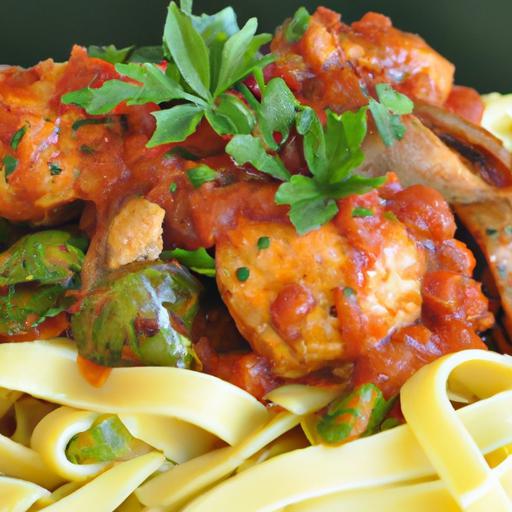
italy’s culinary heritage is a vibrant tapestry woven from centuries of tradition, regional flavors, and time-honored techniques. To truly savor Italy is to embark on a sensory journey-where sun-ripened tomatoes, fragrant basil, and rich olive oil come together in perfect harmony. whether you’re a seasoned home cook or an eager food enthusiast, discovering authentic Italian food recipes opens the door to a world of comforting pastas, rustic breads, and decadent desserts that tell stories of culture and passion with every bite.Join us today as we explore the essence of Italy’s kitchen, bringing genuine flavors from the heart of Italian homes directly to your table.
Savor Italy: Discover Authentic Italian Food Recipes Today by diving into the heart of Italy’s culinary heritage with a classic Tuscan Ribollita-a hearty vegetable and bread soup that has warmed generations. Originating in the countryside kitchens of Tuscany, Ribollita showcases the beauty of simplicity through humble ingredients transformed into a soul-satisfying dish.This recipe not only honors regional flavors but also invites you to master the art of rustic Italian cooking that’s as nourishing as it is flavorful.
Prep and Cook Time
- Prep Time: 20 minutes
- Cook Time: 1 hour 10 minutes
Yield
- Serves 6 generous portions
Difficulty Level
- Medium – Perfect for home cooks ready to elevate their Italian repertoire
Ingredients
- 1/4 cup extra virgin olive oil
- 1 large onion, finely chopped
- 2 medium carrots, diced
- 2 celery stalks, diced
- 4 cloves garlic, minced
- 1 small savoy cabbage, shredded
- 2 cups kale, chopped
- 1 (14 oz) can cannellini beans, drained and rinsed
- 4 cups vegetable broth
- 2 cups leftover crusty bread, torn into chunks
- 1 (14 oz) can crushed tomatoes
- 1 teaspoon dried thyme
- 1 teaspoon dried rosemary
- salt and freshly ground black pepper, to taste
- Grated Pecorino Romano cheese, for garnish
- Fresh parsley, chopped, for garnish
Instructions
- Heat the olive oil in a large heavy-bottomed pot over medium heat.Add the onion, carrots, and celery and sauté until softened and fragrant, about 8 minutes, stirring occasionally.
- Add the minced garlic and cook for another 1 minute, stirring constantly to prevent burning.
- Stir in the shredded savoy cabbage and chopped kale. Cook until wilted, about 5 minutes, stirring frequently to evenly cook the greens.
- Pour in the vegetable broth, crushed tomatoes, dried thyme, and rosemary. Bring to a gentle boil, then reduce heat and simmer uncovered for 30 minutes. Season with salt and pepper to taste.
- Add the cannellini beans and torn bread chunks to the pot. Stir well to combine. Continue to simmer gently for another 15 minutes, allowing the bread to absorb the broth, thickening the soup beautifully.
- Before serving, adjust seasoning. The Ribollita should have a rich, hearty texture-not too soupy or dry. If preferred, drizzle a little extra virgin olive oil atop each serving for added depth.
- Serve hot,garnished with a generous sprinkle of Pecorino Romano cheese and fresh chopped parsley.
Tips for Success
- Use day-old crusty bread if possible; it soaks up the broth better without turning to mush.
- For a vegan option, skip the Pecorino and finish with extra olive oil and fresh herbs.
- To deepen flavor, prepare Ribollita a day ahead-the flavors marry beautifully when reheated.
- If you prefer a smoother broth, gently mash some beans during cooking to create a creamy consistency.
- Experiment with other hearty greens like Swiss chard or spinach depending on availability.
serving Suggestions
Present Ribollita in rustic ceramic bowls to enhance its farmhouse charm. Garnish with a drizzle of high-quality extra virgin olive oil and a sprinkle of Pecorino Romano for that authentic Italian touch. Pair with a crisp Tuscan white wine such as vernaccia di San Gimignano or a robust Chianti to balance the richness of the soup. Serve alongside a simple mixed green salad dressed with lemon and olive oil for a complete and satisfying meal.

| Nutrient | Per serving |
|---|---|
| Calories | 280 |
| Protein | 10g |
| Carbohydrates | 40g |
| Fat | 7g |
To explore more recipes celebrating Italy’s regional gems,check our classic pasta sauces collection. For a deep dive into Italy’s rich food culture, visit Italia.it Food & Wine for inspiring culinary stories and authentic dishes.
Q&A
Q&A: Savor Italy – Discover Authentic Italian Food Recipes Today
Q1: What makes italian cuisine so beloved around the world?
A1: Italian cuisine captures hearts with its vibrant flavors,fresh ingredients,and centuries-old traditions. It’s not just about food; it’s about family, celebration, and a deep respect for quality. From the simplicity of a perfectly ripe tomato to the richness of a slow-cooked ragù, every bite tells a story of passion and place.
Q2: How can I recreate authentic Italian dishes at home without being a professional chef?
A2: Authenticity in Italian cooking thrives on simplicity and quality.Focus on sourcing fresh, seasonal ingredients like ripe tomatoes, fragrant basil, and good olive oil. Start with classic recipes-think homemade pasta, rustic sauces, and hearty stews-and don’t shy away from slow-cooking or letting flavors develop naturally. Patience and love are your best kitchen tools!
Q3: Which conventional Italian dishes should every beginner try first?
A3: Begin your Italian culinary journey with staples like spaghetti carbonara (creamy eggs, pecorino, and pancetta), margherita pizza (fresh mozzarella, basil, and tomato), and risotto alla Milanese (saffron-infused rice). These dishes embody the essence of Italy’s regional flavors and provide a perfect foundation to build your skills.
Q4: What secret tips can elevate my Italian cooking from good to unforgettable?
A4: A few secrets include using high-quality, authentic Italian ingredients whenever possible-like Parmigiano-Reggiano instead of generic cheese or San Marzano tomatoes for sauces. Master the art of seasoning with just salt, pepper, and a drizzle of extra virgin olive oil. Lastly, embrace the regional diversity of Italy; try Sicilian caponata or Tuscan ribollita to add new dimensions to your repertoire.
Q5: How does understanding the culture behind the recipes enhance the cooking experience?
A5: Italian cooking is inseparable from its culture-sharing meals, appreciating seasonal cycles, and honoring regional pride. When you understand the stories behind dishes, the festivals they’re tied to, and the love-infused techniques passed through generations, cooking becomes a vibrant, soulful act rather than just following instructions.
Q6: Where can I find authentic Italian recipes that are tested and easy to follow?
A6: Several cookbooks by italian chefs, reputable food blogs, and dedicated cooking platforms offer tested, authentic recipes. Look for sources that emphasize traditional methods and ingredient authenticity. Better yet, joining an Italian cooking class or virtual workshop can provide hands-on experience and insider tips from native cooks.
Q7: Can I adapt Italian recipes for dietary restrictions without losing authenticity?
A7: Absolutely! Italian cuisine’s emphasis on fresh vegetables, legumes, and grains makes it naturally adaptable. For gluten-free needs, try cooking risotto or polenta-based dishes. For vegan options, focus on recipes rich in olive oil, beans, and seasonal veggies. The key lies in maintaining the soul of the dish while thoughtfully substituting ingredients.
Q8: Why is “Savor Italy” more than just a cookbook or recipe collection?
A8: “Savor italy” invites you into a full sensory experience-invoking the sights, smells, and stories of Italy’s diverse regions. It cultivates a deeper connection to food as culture, encouraging you to slow down, savor each bite, and bring a slice of la dolce vita (the sweet life) into your own kitchen. it’s a joyful celebration of authentic Italian heritage, one recipe at a time.
To Wrap It Up
As you close this flavorful journey through Italy’s rich culinary heritage,remember that savoring authentic Italian food is more than just a meal-it’s an experience steeped in tradition,passion,and care. Whether you’re twirling fresh pasta in a homemade sauce or biting into a perfectly crisp slice of pizza, every recipe carries the stories of generations. So, roll up your sleeves, gather your ingredients, and bring a touch of Italy into your kitchen today. After all, the true taste of Italy isn’t just in the food-it’s in the love you share while creating it. Buon appetito!