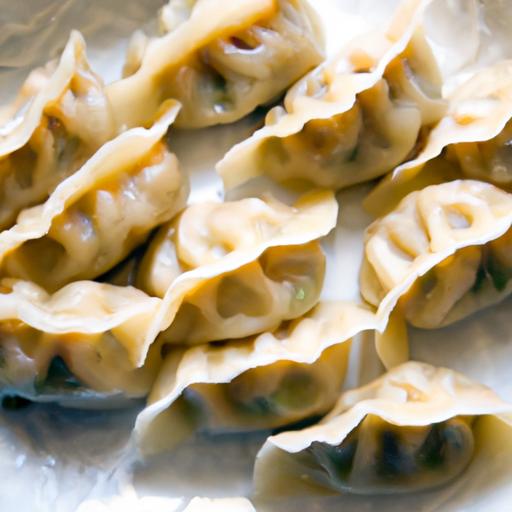



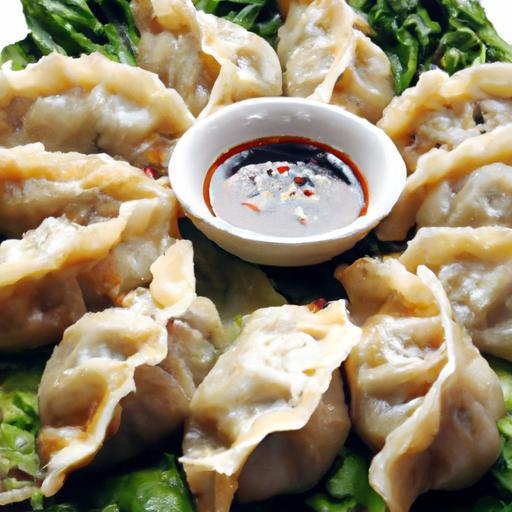
ThereS something undeniably comforting about biting into a perfectly crafted dumpling-its delicate, pillowy wrapper cradling a burst of savory goodness inside. Among the world’s treasured dumpling traditions, Korean mandu stands out not only for its rich flavors but also for its cultural significance and versatility. Whether steamed, fried, boiled, or baked, these delightful parcels offer a gateway into Korea’s culinary heritage, inviting both seasoned cooks and curious food lovers to explore their many variations. In this article,we’ll delve into the art of mastering Korean mandu,sharing delicious recipes and insider tips that will transform your kitchen into a dumpling haven. Prepare to unlock the secrets behind these irresistible bites and bring a taste of Korea into your own home.
Mastering Korean Mandu unveils the rich tapestry of flavors and techniques that bring these beloved dumplings to life. Originating from Korea’s centuries-old culinary heritage, mandu are much more than a simple snack-they are a party of versatile fillings, delicate wrappers, and artful folding methods. I still remember the first time I learned to wrap mandu in my grandmother’s kitchen, the flour dust floating in the air as she taught me how to pleat each dumpling perfectly, imbuing each bite with love and tradition. Today, I’ll guide you through the best ways to explore the unique varieties of mandu, perfect wrapping techniques, and creative cooking methods that will elevate your dumpling experience to new heights.
Prep and Cook Time
- Preparation time: 40 minutes
- Cooking time: 15 minutes
- Total time: 55 minutes
Yield
approximately 40 mandu (serves 4-6)
Difficulty Level
Medium – Requires some practice to perfect wrapping but very rewarding!
Ingredients
- 2 cups all-purpose flour, sifted
- 1/2 cup boiling water (for dough)
- 200g ground pork (or beef, chicken, or tofu for vegetarian)
- 1 cup finely chopped Napa cabbage, lightly salted and drained
- 1/2 cup chopped green onions
- 2 cloves garlic, minced
- 1 tbsp ginger, grated
- 2 tbsp soy sauce
- 1 tbsp sesame oil
- 1/2 tsp black pepper
- 1/4 cup clear vegetable or chicken broth
- 1 large egg (for sealing)
- Cooking oil (for pan-frying)
Step-by-Step Instructions
- Make the dough: In a large bowl, gradually add boiling water to flour, stirring constantly until the mixture begins to hold together.Once cool enough to handle, knead on a lightly floured surface until smooth and elastic, about 8-10 minutes. Cover and let rest for 30 minutes.
- Prepare the filling: In a bowl, combine ground pork, finely chopped cabbage (squeeze out excess moisture), green onions, minced garlic, grated ginger, soy sauce, sesame oil, black pepper, and broth. Mix gently but thoroughly to incorporate all flavors.
- Roll the dough: Divide dough into four equal parts.Roll each into a long cylinder, then cut into 1½-inch pieces. Using a rolling pin, flatten each piece into a 3-inch thin circle, aiming for even thickness.
- Fill your mandu: Place about 1 tablespoon of filling in the center of each wrapper. Beat the egg in a small bowl and brush the edge of the dough circle with egg wash.
- Fold and seal: Fold the dough to create a half-moon shape, pressing edges together to seal. pleat the edges by pinching small folds to create the customary crescent shape. Use your thumb to press firmly so the filling stays inside during cooking.
- Choose your cooking method:
- Steam: Place mandu in a steamer lined with parchment paper, steam for 8-10 minutes until translucent and tender.
- Boil: Add mandu to gently boiling water and cook for 4-5 minutes until floating to the surface.
- Pan-fry (Gunmandu): Heat 2 tablespoons oil in a non-stick skillet over medium heat. Arrange mandu in a single layer and cook until bottoms are golden, about 3 minutes. Add 1/4 cup water, cover immediately to steam, cooking for another 5 minutes until water evaporates and dumplings are crisp.
- Serve immediately: Arrange mandu on a platter, garnish as desired, and enjoy!
tips for Success
- Moisture control: Make sure to squeeze all excess water from cabbage and vegetables to prevent soggy filling.
- Wrapper consistency: Dough should be soft but not sticky. If its too dry, add small amounts of water; too wet, dust with flour.
- Sealing: Egg wash acts like glue. Don’t skip it, or seal your mandu with a simple water brush if you prefer vegan.
- Make ahead: Freeze uncooked mandu on a tray before transferring to a zip-lock bag. Cook from frozen, adding 2-3 extra minutes to cooking time.
- Vegetarian twist: Use crumbled tofu or finely chopped mushrooms in place of meat for a delicious plant-based filling.
Serving Suggestions
Present your mandu with a dipping sauce made from soy sauce, rice vinegar, a dash of sesame oil, and sliced fresh chili or scallions. Garnish with toasted sesame seeds and thinly sliced green onions for visual appeal and an aromatic finish.Mandu pairs beautifully with a bowl of hot spicy cucumber salad (Oi Muchim) or a light broth-based soup to balance the rich flavors.

Nutritional Information (per serving)
| Calories | Protein | Carbs | Fat |
|---|---|---|---|
| 230 kcal | 15 g | 18 g | 9 g |
For deeper cultural context and history,explore the Korean Food foundation’s official page on mandu: Korean Food Foundation.
Q&A
Q&A: Mastering Korean Mandu - Delicious Dumpling Recipes to Try
Q1: What exactly are Korean mandu?
A1: Korean mandu are delightful dumplings that blend a variety of savory fillings wrapped in a tender dough. Think of them as little pockets of flavor, frequently enough steamed, boiled, pan-fried, or deep-fried, offering a versatile and beloved bite in Korean cuisine.They’re comfort food, celebration fare, and everyday snack all rolled into one.Q2: How is mandu different from othre types of dumplings around the world?
A2: While dumplings exist globally, mandu stand out with their unique Korean twist-flavors like garlic, ginger, sesame oil, and kimchi frequently enough spice up the filling. Plus,mandu wrappers tend to be thinner than some,allowing the filling’s taste to shine through. The cooking techniques vary too: from crispy gunmandu (pan-fried) to soft jjinmandu (steamed), offering delightful texture contrasts.
Q3: what are the traditional fillings used in mandu?
A3: Classic mandu fillings usually combine ground pork or beef, tofu, chopped kimchi, mung bean sprouts, garlic, green onions, and glass noodles. The secret? Balancing savory, tangy, and fresh elements, so each bite bursts with complexity.Vegetarians can swap meat for mushrooms or simply pack in more veggies.
Q4: Is making mandu at home challenging for beginners?
A4: Not at all! While the process can seem intricate, breaking it down step-by-step makes it approachable. Wrapping dumplings is part art, part therapy-you get to knead, fill, fold, and seal while getting creative with shapes. plus, homemade mandu taste incomparable-fresh, warm, and crafted with care.
Q5: What cooking methods can I try with my mandu?
A5: The three classic methods are steaming, boiling, and pan-frying. Steamed mandu (jjinmandu) are soft and tender; boiled mandu swim in brothy warmth (sometimes served as manduguk soup); pan-fried mandu (gunmandu) offer crispy bottoms with juicy interiors. Deep-fried versions also exist for those craving crunch.Q6: Can mandu be served beyond just an appetizer or snack?
A6: Absolutely! mandu are incredibly versatile. They star in soups, sit atop noodles, or get tucked inside stews. You can serve them as appetizers, main dishes, or even festive treats on holidays like Lunar New Year. Pair them with dipping sauces like soy-vinegar or spicy chili oil for a flavor boost.
Q7: What tips do you have for perfecting mandu dough?
A7: Keep the dough thin but durable enough not to break during filling and cooking. Use warm water and knead thoroughly for elasticity. resting the dough for 30 minutes helps it relax, making rolling easier.Alternatively, pre-made dumpling wrappers are a great shortcut for beginners.
Q8: Any creative mandu filling ideas beyond the classic recipe?
A8: Definitely! Try fusion fillings like kimchi and cheese, spicy shrimp and chive, or even sweet pumpkin and red bean for dessert mandu. The dumpling canvas is limitless-experiment with whatever seasonal ingredients inspire you.
Q9: What sauces complement mandu best?
A9: Traditional soy sauce mixed with a splash of vinegar and a touch of sesame oil is a classic dipping sauce. For a kick, add minced garlic, chili flakes, or finely chopped green onions. Sweet chili sauce or plum sauce pairs wonderfully with fried versions. Customize to suit your palate!
Q10: How should leftover mandu be stored and reheated?
A10: Store leftover mandu in an airtight container in the refrigerator for up to 2 days or freeze for longer. To reheat, pan-fry for crispiness, steam gently to warm through, or microwave covered with a damp paper towel to prevent drying out.
Mastering Korean mandu opens doors to vibrant flavors, satisfying textures, and cultural discovery-all wrapped in a humble dough. Ready your rolling pin and dive into the delicious art of dumpling making!
The way Forward
As you close the chapter on mastering Korean mandu, remember that these delightful dumplings are more than just a recipe-they’re a gateway to Korea’s rich culinary heritage. Whether you opt for the classic steamed mandu or venture into crispy pan-fried variations, each bite offers a harmony of flavors and textures that tell a story of tradition and innovation. So roll up your sleeves, embrace the art of folding, and let your kitchen become a mandu workshop where creativity meets comfort. With these recipes in hand, your well on your way to serving up delicious moments that will warm both heart and palate. Happy cooking-and happy munching!