


In the vibrant tapestry of Vietnamese cuisine,few elements capture the perfect balance of flavor and texture like pickled daikon and carrot. Known for their crispness and tangy zing, these humble vegetables undergo a transformative journey-soaking, soaking up a medley of sweet, sour, and salty notes that awaken the palate with every bite. Beyond just a simple condiment, Vietnamese pickled daikon and carrot embody a culinary art passed down through generations, effortlessly enhancing dishes from fragrant bánh mì sandwiches to savory noodle bowls. Join us as we delve into the history,technique,and irresistible allure behind this colorful staple,revealing why its radiant crunch remains a beloved cornerstone of VietnamS flavorful heritage.
Crisp & Tangy: The Art of vietnamese Pickled Daikon and Carrot
Crisp & Tangy: The Art of Vietnamese Pickled Daikon and Carrot brings to life a vibrant condiment that sings with sweet, sour, and subtly earthy notes.This iconic Vietnamese pickle-often referred to as “Đồ Chua”-is far more than just a garnish; it’s a cultural staple, treasured for its bright crunch and ability to elevate everything from bánh mì sandwiches to savory noodle bowls. Learning to perfect this pickled blend means mastering a balance that reflects Vietnam’s food philosophy: layers of flavor intertwined in simple harmony.
The Origins and cultural Meaning of Vietnamese Pickled Daikon and Carrot
daikon and carrot pickles have deep roots in Vietnamese cuisine, born out of necessity to preserve vegetables in a country known for its tropical climate. These pickles emerged as a practical yet flavorful way to add brightness to meals during the hot seasons. Beyond preservation, pickled daikon and carrot symbolize celebration and comfort; you’ll find them accompanying festive dishes during Tết (Vietnamese Lunar New Year) and as a daily fresh counterpart to grilled meats and savory stews.
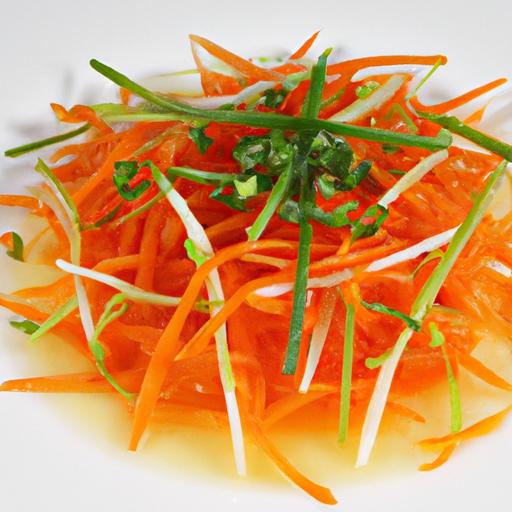
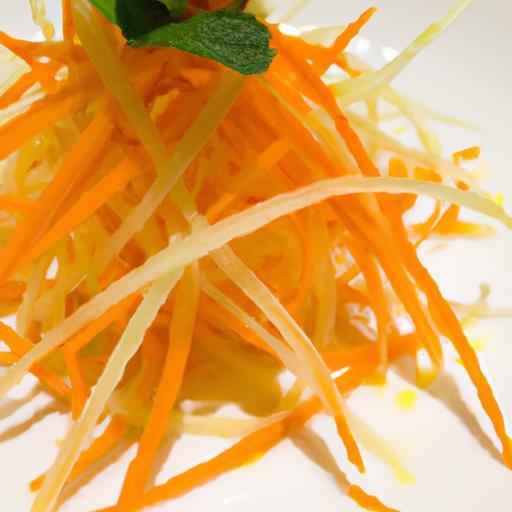
The vivid orange and white strips are a visual metaphor for balance-sweet meets acidic, crunchy meets soft-echoing the Vietnamese culinary emphasis on harmony.Families across generations have passed down recipes packed with slight regional variations, showcasing everything from the intensity of the pickling brine to the thickness of the vegetable cuts.
Mastering the Balance of Sweetness and Acidity in Your Pickling Brine
creating the perfect pickling brine is an art. The sweet tang that defines these pickles comes from a simple victory of proportion-white vinegar and granulated sugar offset by just a pinch of salt, all brought together by clean water. Avoid harsh or overpowering vinegar; rice vinegar or white distilled vinegar are ideal for their subtlety and clarity of flavor.
Tip: Dissolve your sugar and salt entirely by warming the liquid mixture slightly before pouring it over the vegetables. This small step ensures uniform flavor saturation and smooth sweetness without any gritty remnants.
Another key technique is allowing the mixture to rest at room temperature for at least 1-2 hours before refrigerating. This initial sitting period awakens the vegetables, allowing their fibers to soften just enough whilst absorbing the brine-resulting in pickles that are crisp yet pliable.
Choosing the Perfect Vegetables and Techniques for Optimal Crunch
The backbone of this recipe lies in selecting fresh,firm daikon and vibrant carrots.Opt for smaller daikons with bright, unblemished skin-they tend to be sweeter and less pungent. Choose carrots that are firm, brightly colored, and straight to yield uniform cuts and consistent texture.
Cutting technique influences crunch significantly. Julienne slicing-thin, matchstick pieces-ensures that the brine penetrates quickly and evenly, while preserving maximum crunch. Avoid shredding or overly thick slices, which can veer toward sogginess or rubbery texture.
For an extra touch of freshness, some artisans add a peeled cucumber or a thin slice of jalapeño to introduce a cooling or spicy note. Experiment within reason, but always keep your core ratio of daikon and carrot in favor for authenticity.
creative Serving Suggestions to Elevate Every Vietnamese Dish
these tangy pickles are dazzling on bánh mì, where their brightness contrasts perfectly with rich pate, savory meats, and fresh cilantro. They also make a star partner alongside grilled pork chops (sườn nướng) or layered atop a fragrant bowl of phở, offering a refreshing crunch that cuts through the warm broth.
Think beyond tradition: try these pickled gems wrapped in fresh rice paper with herbs and shrimp for an instant, vibrant appetizer. Or toss them gently into a light rice noodle salad with crushed peanuts and fresh lime for a salad that feels alive with texture and zest.
Prep and Cook Time
- Prep Time: 20 minutes
- Marinating Time: 2 hours
- Total Time: 2 hours 20 minutes
Yield
Approximately 3 cups of pickled daikon and carrot, serves 6 as a condiment
Difficulty Level
Easy – Perfect for beginner cooks aiming to add vibrant authenticity to their kitchen repertoire
Ingredients
- 2 medium daikons (about 1 lb), peeled and julienned
- 2 large carrots, peeled and julienned
- 1 cup white distilled vinegar or rice vinegar
- 1 cup filtered water
- 1 cup granulated sugar
- 1 tablespoon kosher salt
- Optional: 1 small jalapeño, thinly sliced for subtle heat
Instructions
- Prepare the vegetables: Peel and julienne the daikon and carrots into uniform matchsticks about 3-4 inches long for even pickling and optimal crunch.
- Make the pickling brine: In a small saucepan,combine the vinegar,water,sugar,and salt. Warm gently over medium heat, stirring until the sugar and salt dissolve completely. Remove from heat and let cool slightly.
- Pack the jar: Place the julienned daikon and carrots (and jalapeño if using) into a clean, wide-mouth glass jar or container. Press down lightly to pack the vegetables.
- pour the brine: Pour the warm brine over the vegetables until fully submerged. Use a small weight or a clean glass to keep the veggies submerged to avoid discoloration.
- Rest and refrigerate: Let the jar sit uncovered at room temperature for 1-2 hours to kickstart the pickling process. Then cover and transfer to the refrigerator for at least 4 hours, ideally overnight, for full flavor progress.
- Serve and enjoy: use within 3 weeks. Always use a clean utensil to avoid contamination and maintain crispness.
Tips for Success
- Don’t skip the warm brine: Dissolving sugar and salt is crucial for an evenly balanced pickling solution.
- Adjust sweetness and acidity: Depending on your taste, tweak sugar or vinegar by small increments.remember, the vinegar should never overpower the natural crunch of the vegetables.
- Store properly: Keep pickles refrigerated and sealed. They improve in flavor the longer they sit but will remain crisp thanks to vinegar preservation.
- make ahead: These pickles are ideal to prepare a day in advance for maximum flavor infusion.
- Vegan and gluten-free: Naturally suitable for all diets, use organic ingredients for the best quality.
Serving suggestions
Sprinkle pickled daikon and carrot atop rich, savory dishes to brighten each bite. Try it alongside:
- Bánh mì sandwiches with pork or tofu
- Grilled lemongrass chicken for a citrusy counterpoint
- Rice noodle bowls like bún thịt nướng
- Spring rolls and fresh herb platters
- As a standalone salad with chopped peanuts and a drizzle of sesame oil
Garnish with fresh cilantro or mint leaves to enhance freshness and add a pop of green against the vivid orange and white slices.

| Nutrient | Per Serving (1/6 batch) |
|---|---|
| Calories | 35 kcal |
| Protein | 1 g |
| Carbohydrates | 9 g |
| Fat | 0 g |
For those eager to deepen their knowledge about customary Vietnamese condiments,the Serious Eats Vietnamese pickled vegetables guide offers fantastic insights. And don’t forget to explore our authentic bánh mì recipe to put your pickles into delicious action!
Q&A
Q&A: Crisp & Tangy – The art of Vietnamese Pickled Daikon and Carrot
Q1: What makes Vietnamese pickled daikon and carrot so special?
A1: It’s the perfect harmony of crisp texture and tangy flavor that wakes up your palate! These pickles bring a refreshing crunch and a balanced sweet-sour zing that effortlessly complement the rich, savory dishes of Vietnamese cuisine. It’s not just a side – it’s a vibrant burst of life on your plate.
Q2: What exactly are pickled daikon and carrot?
A2: At their core, they’re simple roots – daikon radish and carrots – transformed through the magic of fast pickling. Thinly julienned, these vegetables soak in a bright bath of vinegar, sugar, salt, and sometimes a touch of water, developing that iconic sharp and sweet taste in just a few hours to a couple of days.
Q3: How is the pickling process done the Vietnamese way?
A3: The process is delightfully straightforward yet thoughtfully balanced. First, the daikon and carrots are peeled and cut into matchstick strips. then they’re submerged in a mixture combining white vinegar, sugar, and salt – crucial for building that signature tang with a mellow sweetness. Sometimes a little water softens the acidity. The jar rests at room temperature briefly, allowing the flavors to meld, before chilling in the fridge to deepen the crisp tang.
Q4: Why do these pickles hold such cultural significance in Vietnam?
A4: More than just a condiment, pickled daikon and carrot-known locally as đồ chua-are a culinary staple that brings brightness to heavier or spiced dishes. They symbolize balance, a key principle in Vietnamese cooking, offsetting richness and heat with their clean, vibrant notes.During Lunar New Year (Tết), these pickles often appear alongside bánh mì sandwiches and noodle bowls, embodying tradition and taste.
Q5: Can I customize the flavors of my pickled daikon and carrot?
A5: Absolutely! The beauty of đồ chua lies in its flexibility. Wont more sweetness? Add a bit extra sugar. Prefer a sharper bite? Increase the vinegar ratio. Some even toss in a slice of chili for a touch of heat or a garlic clove for aromatic depth. Experimentation is part of the fun, provided that you maintain that crisp-to-tang balance.
Q6: What dishes pair best with Vietnamese pickled daikon and carrot?
A6: They’re incredibly versatile! Classically, they crown the beloved bánh mì, providing contrast to savory meats and pâté. They brighten up crispy spring rolls, add crunch to Vietnamese noodle salads (bún), and serve as a refreshing counterpoint to rich grilled pork or seafood dishes. Their lively zing also works wonderfully alongside Asian-inspired tacos or as a tangy topping on rice bowls.
Q7: Any tips for keeping these pickles crunchy and delicious?
A7: yes! Using fresh, firm daikon and carrots is foundational. Maintaining a good vinegar-to-sugar ratio helps preserve texture, as does chilling the pickles promptly after the initial infusion. Avoid over-soaking – while they deepen in flavor over time, the snap is best enjoyed within the first couple weeks. Properly stored in the refrigerator, they can keep crisp for several weeks.
Q8: Can I make pickled daikon and carrot vegan and gluten-free?
A8: definitely. The classic recipe is naturally plant-based and free from gluten, making it an easy, health-conscious accompaniment for a wide range of diets. Just ensure your vinegar and any added seasonings comply with your specific dietary needs.
Whether your a seasoned foodie or a curious cook, mastering Vietnamese pickled daikon and carrot is like unlocking a secret ingredient – it brings your meals to life with a vibrant crunch and zesty whisper of tradition. Ready to give it a try? Your taste buds will thank you!
In Conclusion
As the vibrant crunch of pickled daikon and carrot dances on your palate, you’re not just tasting a condiment-you’re savoring a timeless Vietnamese tradition. This humble blend of crisp textures and tangy notes embodies a delicate balance of flavors, crafted through patience and artistry. Whether nestled atop a bánh mì, brightening a noodle bowl, or enjoyed straight from the jar, these pickles transform everyday meals into sensory journeys. Embracing the art of pickling connects you to a heritage where simplicity and meticulous technique converge, proving that sometimes, the smallest bites carry the richest stories.So next time you reach for that jar, remember: beyond the tang lies a vibrant tapestry of culture waiting to be discovered.